


.png)


.png)

Parenting Challenges
Children's Emotional Wellbeing: 10 Practical Tips for Parents
.png)
.png)
Written by
Aarohi Parakh,
Psychologist and Content Writer

Reviewed by
Sanjana Sivaram,
Psychologist and Clinical Content Head


Introduction: Why Emotional Wellbeing is Crucial for Your Child's Future
Parents usually pay close attention to their children’s physical health, academic progress, and safety, but emotional well-being can sometimes be missed. Supporting your child’s emotional wellbeing means more than just making sure they feel happy right now. It’s about helping them build the skills they need to handle life with resilience, confidence, and empathy. Even though nutrition, schoolwork, and discipline are important, a child’s emotional world quietly influences how they grow, learn, connect with others, and deal with challenges.
Emotional wellbeing influences how children understand themselves, respond to challenges, and form relationships. Research by UNICEF highlights that emotionally supported children show better learning outcomes, stronger social skills, and improved long-term mental health. Conversely, emotional difficulties that are ignored in childhood often resurface later as anxiety, low self-esteem, relationship struggles, or poor stress tolerance in adulthood.
Many emotional struggles in children do not manifest as tears or other outward signs of distress. They often show up as anger, withdrawal, stubbornness, fearfulness, or even physical complaints like headaches or stomach aches. Without support, children may develop negative self-talk, believing they are “not good enough” or that their feelings are wrong, which can undermine their confidence and wellbeing.
Children who can recognise, understand and manage their emotions have the ability to view things with a positive perspective. This emotional foundation supports cognitive growth, creativity, problem-solving, and healthy social relationships. This blog offers 10 practical parenting tips to help parents nurture children’s emotional wellbeing in everyday life. These tips focus on building connection, emotional awareness, resilience, and self-worth, providing children with the emotional support they need to grow into balanced, confident adults.
Part 1: Establishing a Secure, Communicative Bond
A strong emotional bond between parent and child creates the foundation for emotional wellbeing. When children feel safe, heard, and accepted, they are more likely to express themselves and seek support during challenging moments. This section focuses on parents' roles in creating a safe and trusting environment, covering tips on active support and example-setting.
Tip 1: Pay Close Attention to Their Cues
Children can show they’re struggling in several different ways. Some children act out, showing anger, irritability, tantrums, or defiance. Others withdraw, become unusually quiet, isolate themselves, or lose interest in things they once enjoyed. These behaviours are often misunderstood as “bad behaviour” or moodiness. In reality, they are signals that something deeper is going on emotionally. A child who is consistently angry may feel unheard or overwhelmed. A child who withdraws may be feeling anxious, insecure, or unsure how to express their feelings.
Children rarely say, “I am emotionally struggling.” Instead, they show it through behaviour. As a parent, if you’re aware of what’s going on, you’re in a better position to provide emotional support for your child.
Case example:
Rohan, a 9-year-old boy from Mumbai, began receiving frequent disciplinary notices from school for talking back and refusing to complete classwork. At home, his parents labelled him “lazy” and increased discipline. During a routine parent–teacher meeting, it emerged that Rohan had recently changed schools and was struggling to adjust socially. His anger was not defiance; it was anxiety and insecurity showing up as behaviour.
Once his parents shifted focus from punishment to understanding his emotional cues, Rohan slowly became more cooperative and expressive.
💡Pro-Tip: Before correcting behaviour, ask: “What might my child be feeling underneath this?” Behaviour is often the child’s way of communication.
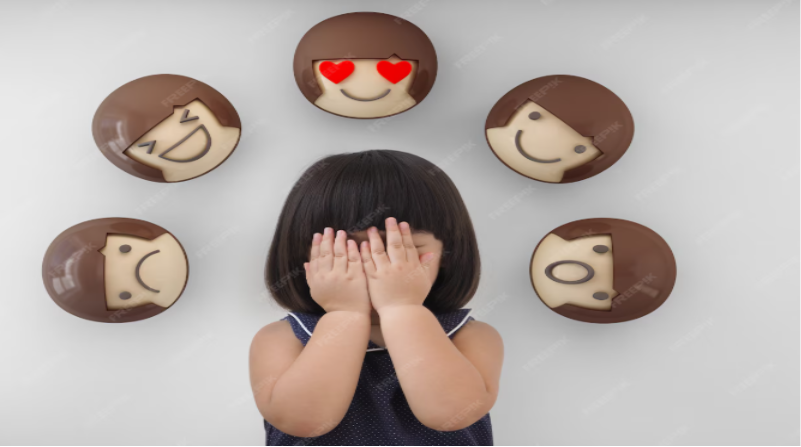
Tip 2: Validate Their Feelings and Listen with Empathy
Validation does not mean agreeing with a child’s behaviour; it means acknowledging their emotional experience. Listening with empathy involves stepping into the child’s perspective and understanding how the situation feels for them.
Simple phrases such as “That sounds really frustrating” or “I can see why you felt upset” help children feel understood. This emotional acknowledgement helps them process their feelings rather than suppress them.
According to the American Psychological Association, children who feel emotionally validated develop better emotional regulation skills and are more open to guidance and problem-solving. Validation helps children feel safe enough to open up.
Case example:
Ananya, a 13-year-old girl from Pune, repeatedly reported stomach aches before school. Her medical reports had no anomalies. When her mother finally sat down with her without dismissing her complaints, Ananya shared that a close friend had begun excluding her. Instead of saying, “This is normal, ignore it,” her mother responded, “That must feel really hurtful.”
That single moment of empathy allowed Ananya to talk openly, and helped her feel more relaxed and supported.

💡Pro-Tip: Listen without immediately offering solutions. Sometimes children need understanding, not “fixing.”
Tip 3: Be a Consistently Supportive and Available Presence
Children need to know that their parents are emotionally available, not only during crises but also in everyday moments. Consistency builds emotional safety. When children trust that support will be there, they feel less anxious and more secure.
Being emotionally present does not require long conversations every day. Small, steady moments like asking about their day, noticing their moods, and responding calmly can make a significant difference.
For parents who work long hours, even brief check-ins can support their child’s emotional wellbeing. A short conversation at dinner or at bedtime can assure kids they aren’t alone with their feelings.
Case example:
Ishan, a 7-year-old child from a dual-working household in Bengaluru, became unusually quiet after school. His parents assumed he was tired. When his father began spending just 10 uninterrupted minutes every night asking about his day, Imran gradually shared that a classmate was bullying him.
The predictability of that daily check-in helped Ishan trust that support would always be available.
💡Pro-Tip: Consistency matters more than perfection. Even acknowledging, “I’m busy right now, but I will come back to this,” builds trust.

Part 2: Empowering Your Child’s Inner Emotional Toolkit
Children need guidance to understand their emotions and develop healthy coping mechanisms. Emotional skills can be learned and are not automatic. This section focuses on teaching children self-awareness, acceptance, and internal coping mechanisms.
Tip 4: Encourage Healthy Emotional Expression
Children often feel emotions before they know what those feelings mean. When parents help children understand why they feel a certain way, it builds emotional awareness. Parents can support this by encouraging talking, drawing, writing, storytelling, or play.
Art and play are especially helpful for younger children to express themselves. For teens, journaling or having quiet conversations might feel more comfortable. The most important thing is to give kids different ways to express themselves without any pressure.
The Child Mind Institute emphasises that children who learn to express emotions are less likely to act them out through behaviour.
Case example:
Meera, a 6-year-old from Ahmedabad, often cried uncontrollably in response to minor frustrations. Her parents introduced drawing time, where Meera was encouraged to draw “how her day felt.” Over time, her drawings revealed themes of fear around school separation. This allowed her parents to address the root cause rather than the crying itself.
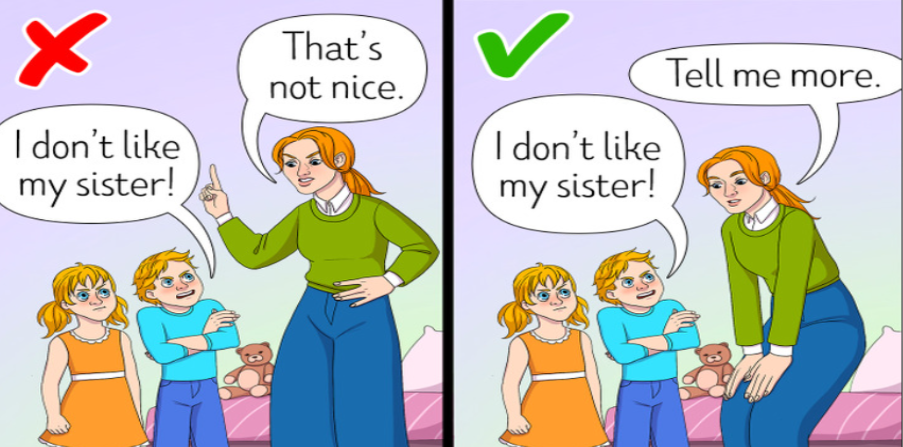
💡Pro-Tip: Avoid correcting emotions. Focus on understanding rather than judging how they feel.
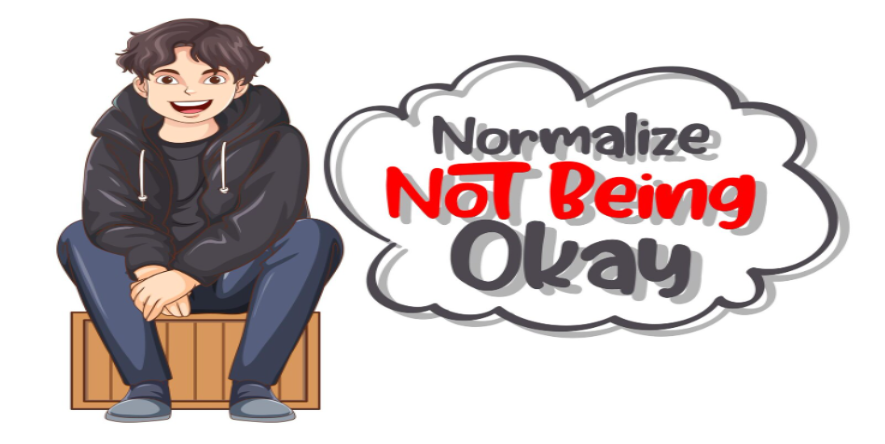
Tip 5: Normalising Emotional Struggle – It’s Okay Not to Feel Okay
Children are often conditioned to believe that feeling sad, scared, or angry is wrong. When adults model emotional perfection, children may hide their struggles.
Explicitly telling children that everyone struggles and that difficult emotions are part of life reduces shame and fear around emotions. This normalisation helps children seek support rather than suppress feelings. Early emotional support significantly reduces the risk of mental health concerns later in life.
Case example:
Arjun, a 15-year-old student from Delhi, hid his exam stress because he believed feeling anxious meant weakness. When his father openly shared his own work stress and coping strategies, Arjun felt understood and acknowledged his anxiety without shame. This also reduced his emotional isolation.
💡Pro-Tip: Share age-appropriate examples of your own challenges and how you managed them. This reassures children that emotions are manageable.
Tip 6: Cultivating Time for Self-Reflection
Self-reflection helps children understand their emotional patterns. Making it a habit where they spend some time thinking through past situations: their actions, behaviours and how to handle similar situations in the future. This can help them understand why they feel a certain way and how to cope with it.
Reflection is not about blame; it is about learning and growth. Over time, children develop emotional insight and better coping strategies. In Indian families, reflective conversations can occur naturally at bedtime or during travel. These moments can be used intentionally for emotional reflection.
Case example:
Sia, a 10-year-old from Chennai, frequently got into conflicts with classmates. Her mother introduced a weekly reflection routine that asked three questions: What happened? How did you feel? What could help next time? Over months, Sia became more thoughtful and less reactive.
💡Pro-Tip: Ask open-ended questions like “What do you think helped you feel better?” rather than “Why did you do that?”

Part 3: Building Resilience and Confidence
Resilience and self-esteem protect children’s emotional wellbeing during challenges. This section focuses on teaching children how to handle challenges and external relationships.
Tip 7: Boost Their Self-Esteem and Self-Worth
Children need to feel valued for who they are, not just for achievements. Consistent criticism or focus on shortcomings can lead to negative self-beliefs. Rather than focussing on times when your child struggles and unintentionally causing them to feel inadequate, emphasise their good qualities and skills they’ve developed. This reinforces their self-worth and reduces negative self-thought.
Praising effort, kindness, and improvement helps children build internal confidence. Research shows that positive reinforcement strengthens emotional resilience, enabling children to navigate adversities effectively. Children absorb how adults talk about them.
Case example:
Kunal, an 11-year-old from Indore, struggled academically and began calling himself “stupid.” His parents consciously shifted praise from marks to effort, acknowledging persistence, curiosity, and kindness. Over time, Kunal’s self-talk softened, and his academic engagement improved.
💡Pro-Tip: Praise character and effort more often than outcomes.

Tip 8: Teaching Resilience – Bouncing Back from Setbacks
Children naturally struggle when things do not go their way. This can lead to feelings that are difficult for them to manage. Rather than rushing to fix problems, parents can guide children through disappointment.
Validating emotions, offering reassurance, and reminding them of past coping successes builds resilience. Children learn that setbacks are temporary and manageable.
Resilience grows through supported struggle and bouncing back from setbacks.
Case example:
Nisha, a 12-year-old aspiring dancer from Jaipur, failed her first audition and wanted to quit. Her parents acknowledged her disappointment instead of minimising it. Together, they discussed what she learned and planned next steps. Nisha returned to practise with renewed confidence.
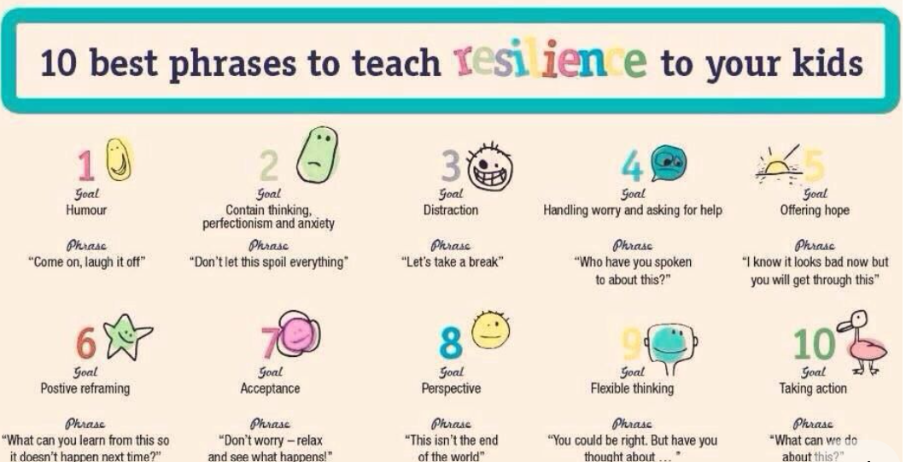
💡Pro-Tip: Avoid rescuing too quickly—support the emotion, not avoidance.
Tip 9: Help Them Build Strong Relationships
Healthy relationships act as emotional anchors. Children who feel connected to family, peers, and mentors experience better emotional wellbeing. Good relationships, whether with family or friends, provide solid ground for children to stand on as they explore and learn about the world around them. Our relationships with those around us affect how we feel; therefore, children must learn to build relationships and solidify those connections.
Parents can support relationship-building by modelling respect, teaching communication skills, and encouraging healthy friendships.
In Indian culture, extended family relationships (trusted family members such as grandparents, uncles or aunts) can offer additional emotional support and safety when nurtured positively.
Case example:
Rahul, a 14-year-old from Nagpur, felt lonely despite being surrounded by peers. His parents helped him identify a trustworthy friend and encouraged small, meaningful interactions over popularity. Rahul’s emotional wellbeing improved as he felt genuinely connected.
💡Pro-Tip: Discuss qualities of healthy friendships and help children set boundaries respectfully.

Tip 10: Learn by Example – Modelling Emotional Intelligence
Children learn emotional responses by observing adults. How parents handle stress, conflict, and emotions shapes how children cope.
If parents suppress emotions or react aggressively, children often mirror these patterns. Expressing emotions calmly and demonstrating healthy coping teaches children emotional intelligence. If you’re the type of person who’s closed off and embarrassed or uncomfortable expressing your feelings, your child is likely to mimic this behaviour. Showing your children that you can express and cope with your emotions positively will help them understand that, when faced with adversity, they can do the same.
Case example:
During a family disagreement in a Kolkata household, a mother paused the argument, calmly named her feelings, and suggested revisiting the issue later. Her 8-year-old later used the same language during a peer conflict at school.
💡Pro-Tip: Children practise what parents demonstrate, not what they instruct.
FAQs
Q1. How can parents balance discipline and emotional support without confusing children?
Discipline and emotional support are not opposites. Clear boundaries provide safety, while emotional support helps children understand their feelings within those boundaries. When parents explain limits calmly and acknowledge emotions at the same time, children learn accountability without feeling rejected or unsafe.
Q2. Can focusing too much on emotions make children emotionally dependent?
Supporting emotional wellbeing does not create dependency when paired with age-appropriate autonomy. In fact, children who feel emotionally secure are more confident in exploring independence because they trust that support is available if needed. Emotional safety strengthens, rather than weakens, self-reliance.
Q3. How does emotional wellbeing in childhood affect mental health in adulthood?
Children who learn to recognise, express, and regulate emotions are more likely to develop healthy coping strategies as adults. Research consistently shows that early emotional support reduces the risk of anxiety, depression, and relationship difficulties later in life by strengthening emotional resilience and self-esteem.
Q4. What role does family culture play in a child’s emotional wellbeing?
Family culture shapes how emotions are expressed, accepted, or suppressed. When emotional expression is discouraged, children may struggle to process feelings internally. Creating even small pockets of emotional openness within cultural norms helps children feel safe while respecting family values.
Q5. When should parents consider professional support for a child’s emotional wellbeing?
Professional support may be helpful if emotional difficulties persist, interfere with daily functioning, or significantly affect school, sleep, or relationships. Seeking help is not a sign of failure or weakness; it is a proactive step toward supporting a child’s emotional health and overall development.
Conclusion: Nurturing the Parent–Child Bond
Children’s emotional wellbeing grows through consistent, everyday acts of empathy, emotional presence, and understanding. Small moments of connection, such as listening without judgement, validating feelings, and offering reassurance, play a powerful role in creating long-term emotional security for children.
There is no perfect approach to parenting emotional wellbeing. What truly matters is a parent’s intention, self-reflection, and willingness to grow alongside their child. When parents consciously support emotional development in children, they not only strengthen resilience and self-esteem but also deepen the parent–child bond in meaningful ways.
If emotional challenges feel overwhelming or persist over time, seeking professional guidance can provide clarity and support. 1to1help services, such as counselling provided under their Employee Assistance Programme (EAP) or cohort-based programs like 1to1parenting, provide structured guidance and required resources. Prioritising children’s emotional wellbeing is not about doing everything right. It is about ensuring that children feel emotionally supported, understood, and never alone with their feelings.
References
- American Psychological Association. (n.d.). Emotion regulation. https://www.apa.org/topics/parenting/emotion-regulation
- BrightCHAMPS. (n.d.). Mental health tips for parents. https://brightchamps.com/blog/mental-health-tips-for-parents/
- British Broadcasting Corporation. (n.d.). Tiny Happy People: Helping children develop emotional wellbeing. https://www.bbc.co.uk/tiny-happy-people/articles/zhjbcqt
- Child Mind Institute. (n.d.). How can I help my child with self-regulation? https://childmind.org/article/can-help-kids-self-regulation/
- Cleveland Clinic. (n.d.). Anxiety in children. https://my.clevelandclinic.org/health/diseases/anxiety-in-children
- EuroSchool. (n.d.). Emotional safety: Meaning and examples. https://www.euroschoolindia.com/blogs/emotional-safety-meaning-examples/
- HeartWise Support. (n.d.). The importance of early mental health support. https://www.heartwisesupport.org/post/the-importance-of-early-mental-health-support
- Mastermind Behavior Services. (n.d.). The importance of reinforcing positive behavior in young children. https://www.mastermindbehavior.com/post/the-importance-of-reinforcing-positive-behavior-in-young-children
- My Wellbeing. (n.d.). Journaling for teens. https://mywellbeing.me/blog/journaling-for-teens/
- Parenting Styles. (n.d.). Emotional intelligence in child development. https://www.parentingstyles.com/child-development/emotional-intelligence/
- Positive Psychology. (n.d.). How to build self-esteem in children. https://positivepsychology.com/self-esteem-for-children/
- Psychology Today. (2019). How children develop empathy. https://www.psychologytoday.com/us/blog/smart-parenting-smarter-kids/201905/how-children-develop-empathy
- Psychology Today. (2025). How to promote and foster resiliency in children. https://www.psychologytoday.com/us/blog/everyday-resilience/202502/how-to-promote-and-foster-resiliency-in-children
- SecondHugs. (n.d.). The importance of emotional wellbeing in parenting. https://www.secondhugs.com/blogs/the-importance-of-emotional-wellbeing-in-parenting/
- UNICEF. (2022). Promoting and protecting mental health in schools and learning environments. https://www.unicef.org/media/126821/file/Promoting%20and%20protecting%20mental%20health%20in%20schools%20and%20learning%20environments.pdf
- We Fix Brains. (n.d.). 10 tips to help children build coping skills and emotional regulation. https://wefixbrains.com/resources/10-tips-to-help-children-build-coping-skills-and-emotional-regulation
- World Health Organization. (2021). Children and young people’s mental health: The case for action. https://www.who.int/news-room/commentaries/detail/children-and-young-people-s-mental-health--the-case-for-action


.svg)
.svg)
.svg)
.svg)