

.png)


.png)

Personal Growth & Wellbeing
How to Stay Motivated at Work: Practical Tips That Actually Work
.png)
.png)
Written by
Aarohi Parakh,
Psychologist and Content Writer

Reviewed by
Sanjana Sivaram,
Psychologist and Clinical Content Head


Introduction: Why Staying Motivated at Work Is Hard Today
Rhea, a marketing executive in Mumbai, was known for her passion, reliability, and teamwork. Over the past year, her workload and pressure have increased. She continues to complete tasks, meet deadlines and attend meetings, but her enthusiasm has declined. Unsure of the cause, she often ends her days feeling exhausted and unfulfilled. One late evening, she quietly searches: “How to stay motivated at work?” Her experience mirrors the challenges many professionals face today.
The challenge for working professionals is not a lack of discipline or a poor work ethic; it is emotional overload. The modern workplace has changed drastically with constant digital connectivity, increasing performance pressure, and blurred lines between personal and professional lives. Employees are therefore expected to adapt quickly, multitask, meet deadlines, remain emotionally regulated, and maintain a passion for their work. No wonder motivation at work can quietly erode with time.
Almost one in three professionals shows signs of burnout before reaching mid-career, and more than 60% of workers feel emotionally disengaged at some point, according to global workplace wellbeing reports. Because of this, motivation is not just a productivity topic, but also a mental health concern.
Rising Stress and Burnout Levels
Workplace stress has shifted from being occasional to constant. Increasing workloads, performance pressure, job insecurity, and organisational changes have made chronic stress a regular part of professional life. Prolonged exposure to high stress often leads to burnout—characterised by emotional exhaustion, reduced performance, and detachment from work.
Increasingly, it is becoming difficult for people to recognise that a lack of motivation at work is, more often than not, underpinned by emotional exhaustion.
💡Pro-Tip: If motivation has been low for several weeks despite rest or time off, it may signal an underlying emotional concern rather than simple tiredness.
Remote/Hybrid Work Challenges
Remote and hybrid work have provided flexibility, but it comes with its own perils - it has blurred essential boundaries. Many employees struggle to “switch off” mentally, leading to extended working hours and reduced recovery time. The lack of in-person social connection, reduced informal feedback, and isolation can weaken emotional engagement with work. As a result, people often feel disconnected, even while being constantly busy.
Constant Distractions and Workload Pressures
Emails, instant messages, meetings, deadlines, and multitasking have created a state of constant cognitive overload. When the brain is overstimulated, it rarely gets uninterrupted time to focus or recover, and even simple tasks start to feel overwhelming. This leads to reduced concentration, increased fatigue, and a weakened sense of accomplishment—two key drivers of motivation.
What Does Workplace Motivation Really Mean?
Definition in a Professional/HR context
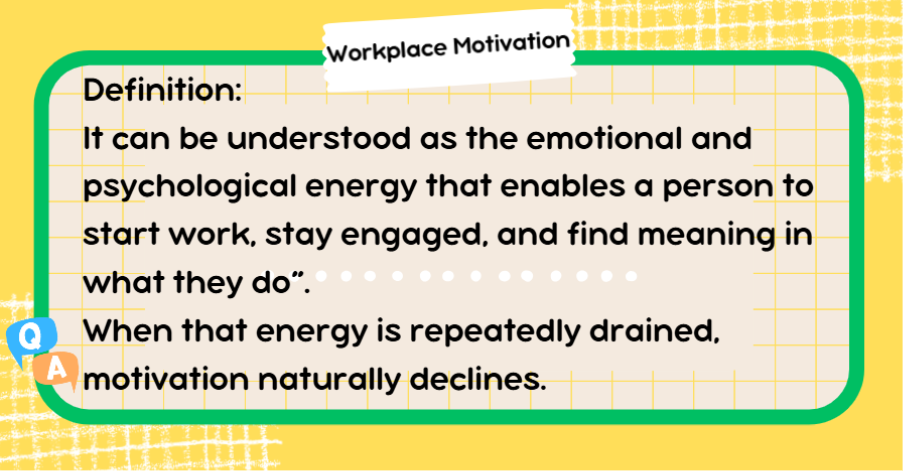
Workplace motivation refers to the internal and external factors that drive employees to perform their job duties with enthusiasm, dedication, and a sense of purpose. From an HR perspective, it is a critical component influencing employee engagement, productivity, and overall job satisfaction in the work environment.
It is more important to consider how emotionally invested, focused, and purposeful a person feels while working than whether they show up. A motivated employee is more likely to take initiative, work well with others, overcome obstacles, and remain dedicated to the organisation's objectives. Conversely, low motivation in an employee often shows up as disengagement, withdrawal, reduced productivity, absenteeism, and higher attrition.
Understanding motivation in this broader sense helps organisations move away from short-term performance pressure and towards creating environments where employees can thrive sustainably.
Difference Between Short-Term Motivation and Long-Term Engagement
Short-term motivation is usually driven by immediate outcomes, which can push people to act quickly, but it tends to fade when the pressure or the reward goes away. Long-term engagement, on the other hand, reflects a deeper psychological connection with work that sustains performance over time.
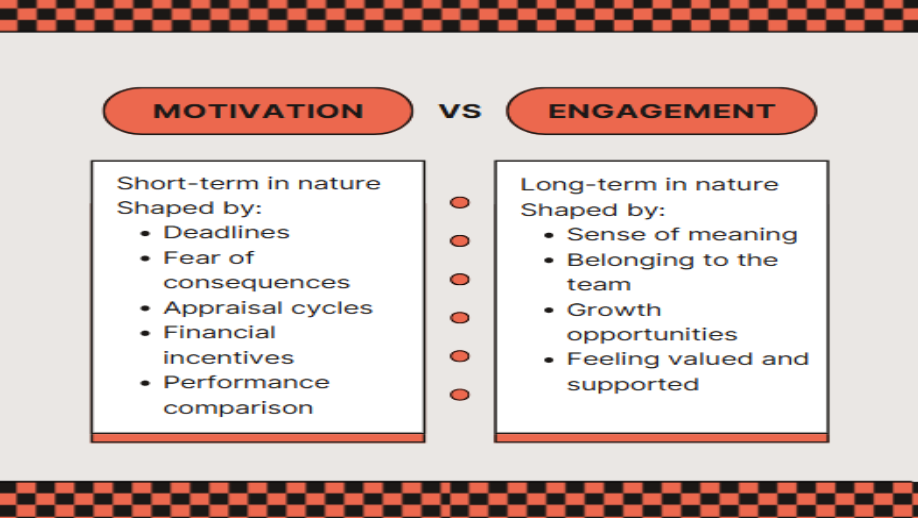
For example, a sales executive works intensively in the last two weeks of every quarter to meet targets under pressure from incentives. This is short-term motivation. However, once the targets are achieved, their energy drops sharply. In contrast, a colleague remains consistently engaged because she feels aligned with the company’s purpose, enjoys client interaction, and sees growth in her role. This reflects long-term engagement.
Intrinsic vs Extrinsic Motivation
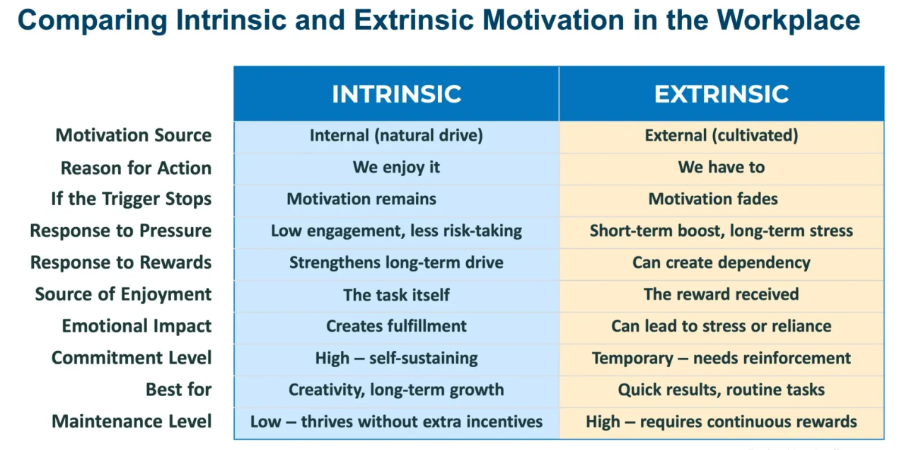
Motivation is also shaped by where it comes from; extrinsic motivation involves external rewards such as salary, bonuses, promotions, awards, and public recognition, whereas intrinsic motivation comes from within the individual and is driven by interest in the work itself, personal values, enjoyment, sense of contribution, growth and learning.
For example, one employee works overtime mainly to earn a performance bonus. This is called extrinsic motivation. Another employee puts in extra effort because she enjoys solving problems, likes helping her team, and finds her work meaningful. This is intrinsic motivation. If bonuses are delayed or removed, the first employee’s motivation drops a lot. The second employee stays motivated because her drive comes from within.
Individuals who depend solely on external rewards often experience inconsistent motivation. Employees with strong intrinsic motivators, on the other hand, are more likely to stay involved even in trying times. Sustainable workplace motivation usually requires a healthy balance between the two.
Why Does Motivation Fluctuate?
It's funny how motivation may seem to have its own GPS, working perfectly sometimes and disappearing other times when it's needed the most. Peaks and troughs in motivation are a common experience and understanding why they happen can help better manage employee productivity and well-being.
Emotional Fatigue
Continuous problem-solving, people management, deadline pressure, and high expectations slowly deplete emotional resources. When emotional energy runs low, even simple tasks can feel effortful, leading to a sense of not being motivated to work.
Lack of Clarity or Purpose
When employees are unsure about what they are working towards or how their role contributes to larger goals, motivation weakens. A lack of role clarity, shifting priorities, or unclear expectations often creates confusion and disengagement rather than drive.
Poor Work-Life Balance
Consistently overworking without adequate rest affects both physical and mental energy. When personal time, relationships, sleep, and recovery are compromised, motivation at work naturally declines. Balance is not a luxury; it is a psychological requirement for sustained performance.
Lack of Recognition or Growth
When effort goes unnoticed or growth feels stagnant, motivation deteriorates. Employees who feel invisible or stuck often begin to withdraw emotionally from their roles. Over time, this turns into disengagement, reduced initiative, and declining performance.
Why Do People Lose Motivation at Work?
Let’s dive into the major root causes of workplace demotivation.
Overwhelm and Burnout
Continuous deadlines, emotional labour, understaffing, and pressure to perform without adequate recovery lead to burnout. And a burnt-out employee is a demotivated employee. Burnout drains emotional and physical energy, making even capable professionals feel disengaged, exhausted, and demotivated. Over time, effort begins to feel pointless rather than purposeful.
Repetitive or Unfulfilling Tasks
When work becomes repetitive or disconnected from personal values, intrinsic motivation weakens. Tasks that lack variety, creativity, or meaning often leave employees feeling stuck, leading to boredom (the opposite end of the spectrum of overwork) and emotional withdrawal. Without a sense of contribution or impact, engagement naturally drops.
Unclear Career Direction
Motivation struggles when people cannot see where their role is leading. Lack of clarity about growth, promotion, or skill development often makes effort feel unrewarding. Employees may begin to question the purpose of their work, leading to reduced drive and initiative.
Poor Manager Relationships
The quality of an employer-employee relationship plays a major role in motivation. A lack of support, appreciation, communication, or fairness can quickly erode morale. Employees who feel misunderstood, micromanaged, or ignored are far more likely to disengage from their work.
Personal Struggles Affecting Work
Life stressors such as family challenges, health issues, emotional distress, or financial pressure significantly affect mental energy and concentration. An organisational culture that encourages open check-ins and genuine care can make a meaningful difference.
Low Autonomy or Flexibility
Employees who feel powerless over their schedules, decisions, or methods of working often lose enthusiasm. Constant control, rigid systems, and lack of trust weaken ownership and initiative, making work feel mechanical rather than meaningful.
Case Example: A high-performing analyst begins missing deadlines and appears withdrawn. On exploration, it emerges that despite having strong capability, months of excessive workload, diminished flexibility, and repeated dismissal of growth discussions have left him emotionally burnt out and disengaged.
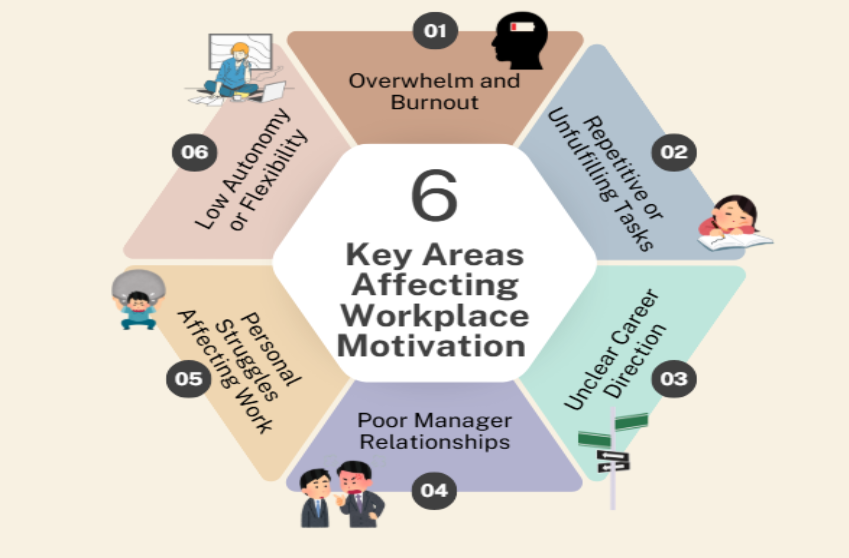
💡Pro-Tip for Team Leaders: If you notice the motivation of your employees has dropped suddenly, it is helpful to ask: Which of these six areas has changed recently? Identifying the root cause often provides clearer solutions than forcing artificial motivation.
How to Stay Motivated at Work: Practical Tips
In addition to everyday office struggles, Deloitte's Well-being at Work Survey shows that overall employee well-being is declining. In the survey, 84% of respondents say improving their well-being is a top priority, but 80% admit facing significant hurdles. We have looked at factors that contribute to motivation. Let’s now look at practical, actionable strategies to stay motivated at work, even during challenging times.
Set Clear, Achievable Goals
When goals are vague, effort feels scattered. Clear, realistic goals give direction and help the brain focus on progress instead of pressure. Setting SMART (Specific, Measurable, Achievable, Relevant, Time-bound) goals is a proven way to improve motivation at work.
Example: A junior marketing executive felt unmotivated until vague goals like “do better at work” were replaced with weekly targets such as “finalise two campaign drafts by Friday”. Their productivity improved almost immediately with clear, specific goals set out for them.
💡Pro-Tip: Break monthly goals into weekly targets and daily priorities to avoid overwhelm.
Break Work into Smaller Tasks
Large tasks often feel intimidating and result in procrastination. Smaller tasks make it easier to start and help build momentum through quick wins. It is more productive to focus on progress, rather than perfection.
Example: Instead of aiming to “finish the entire presentation”, a business analyst divided it into outlining, slide design, and data insertion. Completing each step gave the motivation to continue.
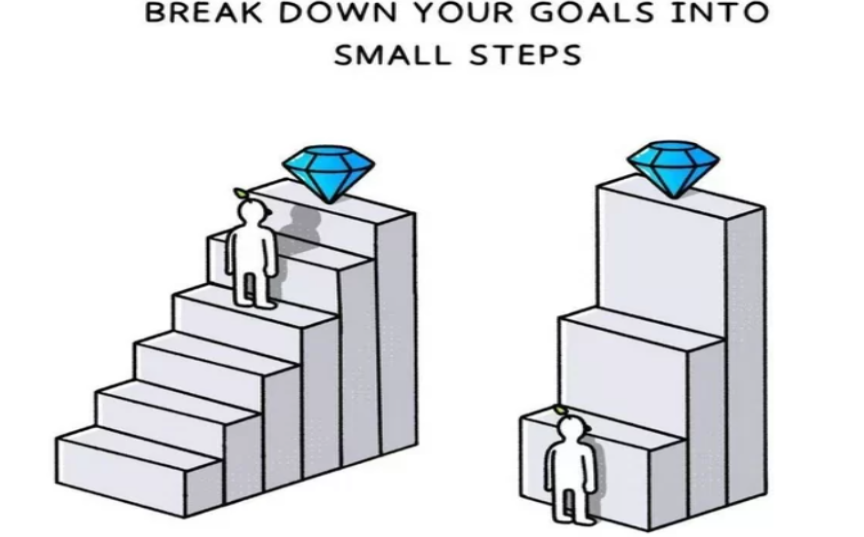
💡 Pro-Tip: If a task feels too heavy to begin, it’s still too big; break it down further.
Prioritise High-Impact Work
When everything feels urgent, people feel constantly busy but not effective. Prioritising the most important and meaningful tasks improves motivation by creating a sense of progress rather than exhaustion.
Example: An HR professional spent most of the day replying to emails and felt drained. Once the day started with one high-impact task instead, such as creating a training module due in the upcoming week, stress was reduced and focus improved.
💡Pro-Tip: Ask daily: “What is the one task that will make today feel productive?”
Create a Structured Routine
A predictable routine reduces decision fatigue and builds consistency and discipline without relying only on willpower. Structure creates emotional stability during stressful periods.
Example: A project coordinator struggled to start work until a fixed routine was created; same login time, breaks, and daily review ritual. Consistency resulted in improvement without extra effort.
💡Pro-Tip: Even a loosely structured routine is better than no routine when motivation is low.

Celebrate Small Wins Regularly
Waiting only for big achievements delays emotional reward. Small wins keep morale steady and reinforce effort.
Example: After every completed client call, a customer service executive would tick it off the list and pause briefly. This kept energy steady during long shifts.
💡Pro-Tip: If your to-do list only shows what’s left, you’ll always feel behind. It’s equally important to track what’s done, too.
Build Accountability (Buddy, Manager Check-Ins)
Accountability adds structure and emotional support. Knowing someone will check in increases commitment and reduces avoidance.
Example: Two team members began sharing weekly progress updates with each other. Even on low-energy days, they stayed on track because someone expected an update.
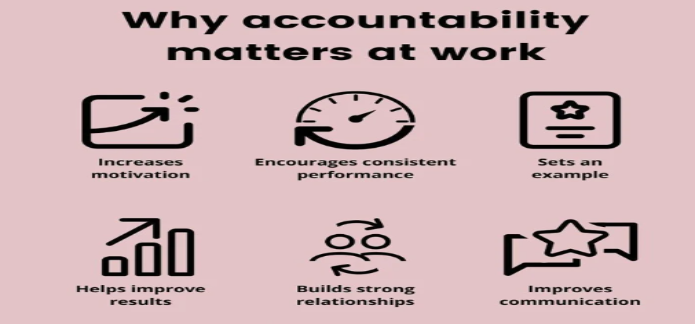
💡Pro-Tip: Accountability works best when it feels supportive, not punitive. It works best with people you can trust.
Personalise Your Workspace
A personalised workspace increases comfort, emotional safety, and a sense of ownership over work.
Example: Adding a plant, softer lighting, and a personal photograph helped an employee working from home feel calmer and more connected during long workdays.
💡Pro-Tip: Even small personal touches can significantly improve mood and focus.
Remove Energy Drainers and Distractions
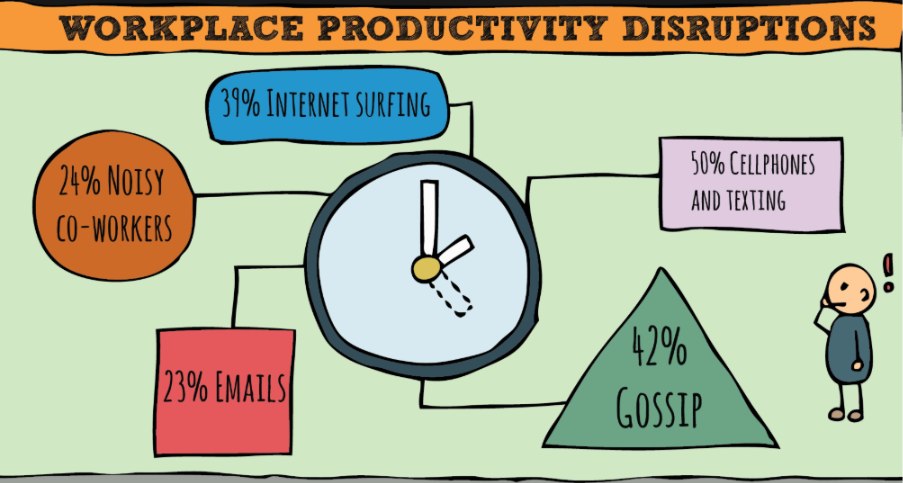
Constant interruptions exhaust the brain and weaken motivation. Protecting focus helps sustain both energy and confidence.
Example: When an operations executive muted their non-urgent notifications for two focused hours daily, output improved, and the workday felt shorter and less draining.
💡Pro-Tip: Motivation naturally improves as distractions decrease, and effort feels lighter.
Maintain Boundaries and Work-Life Balance
Without rest, motivation eventually collapses. Boundaries protect emotional energy and prevent burnout. Prioritising one’s mental health through various self-care strategies (sleep, exercise, mindfulness, a healthy diet, and activities you enjoy outside of work) can also help maintain work-life balance.
Example: Once a senior executive stopped checking work emails after 8 p.m., sleep quality improved, and so did focus and decision-making at work. They also ensured that in this time away from work, they reconnected to their hobby of reading.
💡Pro-Tip: If rest feels “unproductive”, remember that exhaustion is far more expensive than rest.
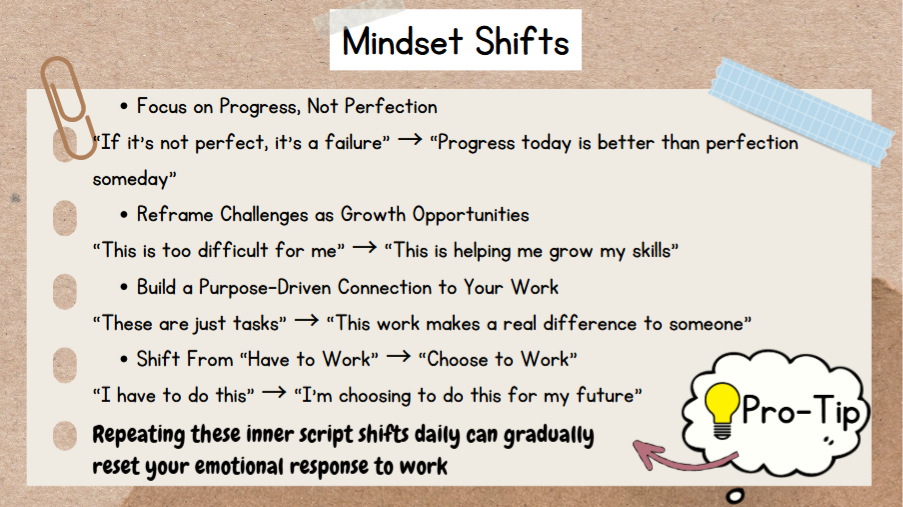
Mindset Shifts to Improve Motivation
These mindset shifts focus on changing the internal dialogue at work. When thoughts change, emotional resistance reduces, and motivation follows more naturally.
Productivity Habits That Boost Motivation
Productivity habits play a critical role in sustaining workplace motivation. When work feels organised and progress feels visible, the mind experiences less resistance and more willingness to engage. The following habits support both focus and emotional energy at work.
- Timeboxing and Pomodoro: Timeboxing involves assigning a fixed time window to a task and working only within that period. The Pomodoro Technique is a time management strategy that breaks your work into 25-minute work blocks with five-minute breaks. These methods reduce mental overwhelm, limit procrastination, and make large workloads feel more manageable by introducing clear start and stop points.
- Daily Planning and End-of-Day Reflection: Daily planning brings structure and clarity to the workday. Creating a focused to-do list each morning helps prioritise effort and reduces decision fatigue. End-of-day reflection, on the other hand, provides closure. Reviewing what was completed, what remained pending, and what can be improved creates a sense of progress rather than pressure.
- Using Breaks Effectively: Breaks are essential for restoring focus and preventing mental fatigue. Short, intentional breaks between tasks improve concentration, emotional regulation, and overall productivity. Stepping away from screens, moving the body, breathing fresh air, or engaging in brief relaxation helps reset the nervous system and sustain motivation.
- Digital Detox Windows: Digital detox windows involve setting designated periods in the day where phones, emails, and notifications are intentionally switched off. Constant digital interruptions fragment attention and increase stress. Creating protected focus time reduces cognitive overload and strengthens both attention and emotional stamina.
How to Stay Motivated When You’re Burnt Out or Emotionally Drained
Motivation cannot be forced through pressure or discipline once burnout sets in. Both physical and emotional exhaustion alter the brain's ability to regulate emotions, focus, and energy. The objective during this stage is to gradually stabilise, recover, and rebuild capacity rather than to "push harder.
- Early Signs of Burnout: Burnout rarely appears suddenly. Early warning signs often include persistent fatigue, reduced concentration, irritability, sleep disturbances, emotional numbness, and a growing sense of detachment from work. People may still show up and perform, but with increasing emotional strain. Recognising these early signals allows for timely intervention before motivation collapses completely.
- Rest and Recovery Strategies: Recovery is not just about taking time off; it is about restoring emotional and nervous system balance. This includes quality sleep, regular breaks, low-demand days, physical movement, and genuine mental downtime. Rest is a psychological requirement for motivation, not a reward for productivity.
- Seek Support from a Counsellor or Manager: Burnout often carries emotional weight such as guilt, fear of falling behind, or feeling inadequate. Speaking to a counsellor provides a safe space to process these emotions and develop coping strategies. Open conversations with supportive managers can also help reduce pressure, reset expectations, and create realistic performance plans during recovery.
- Adjust Workload Temporarily: Temporary workload adjustments allow the mind and body to recover without the added strain of constant performance pressure. This may involve reduced hours, lighter deadlines, redistributed tasks, or pausing non-essential responsibilities. Short-term adjustments often prevent long-term disengagement or breakdown.
- Prioritise Mental Health: Mental health should not be separate from motivation; it is the foundation of it. Prioritising mental health means acknowledging emotional limits, seeking help without shame, setting boundaries, and choosing wellbeing over constant overextension. Motivation naturally rebuilds when the nervous system feels safe again.
How Leaders & Managers Can Improve Team Motivation
Team motivation depends more on leadership behaviour than on pressure. Managers who communicate clearly, offer support, and empower their teams directly influence morale, engagement, and performance. Leaders who build trust, provide clarity, and ensure emotional safety foster an environment where motivation develops naturally.
Provide Clarity and Remove Blockers
Uncertainty is a major motivation killer. Clear expectations, defined goals, and transparent communication help employees understand what is expected and how their work contributes to larger outcomes. Alongside clarity, removing practical blockers, such as resource gaps, delays, or conflicting priorities, allows employees to focus their energy on meaningful work rather than frustration.
Offer Recognition Frequently
Consistent recognition reinforces effort and builds emotional connection to work. Motivation strengthens when employees feel their contributions are seen and valued. Recognition does not always need to be formal; timely appreciation, positive feedback, and acknowledgement of effort play a powerful role in sustaining engagement.
Show Empathy and Genuine Appreciation
Empathy builds trust. When leaders listen without judgment, acknowledge challenges, and respond with understanding, employees feel psychologically supported. Genuine appreciation expressed through words, actions, and fairness helps employees feel respected as individuals, not just performers.
Encourage Autonomy and Creativity
Autonomy strengthens ownership. When employees have the freedom to make decisions, suggest ideas, and experiment with solutions, they feel more invested in their work. Creativity flourishes when people feel trusted rather than controlled, and motivation rises as a result.
Support Professional Development
Growth is a core driver of long-term motivation. Offering learning opportunities, skill-building, mentorship, and clear development pathways signals that the organisation is invested in the employee’s future. When people see themselves growing, their engagement deepens.
Build a Psychologically Safe Team Culture
Psychological safety allows people to speak up, ask questions, make mistakes, and share concerns without fear of punishment or ridicule. In such environments, employees are more willing to contribute, collaborate, and stay motivated even during challenging periods.
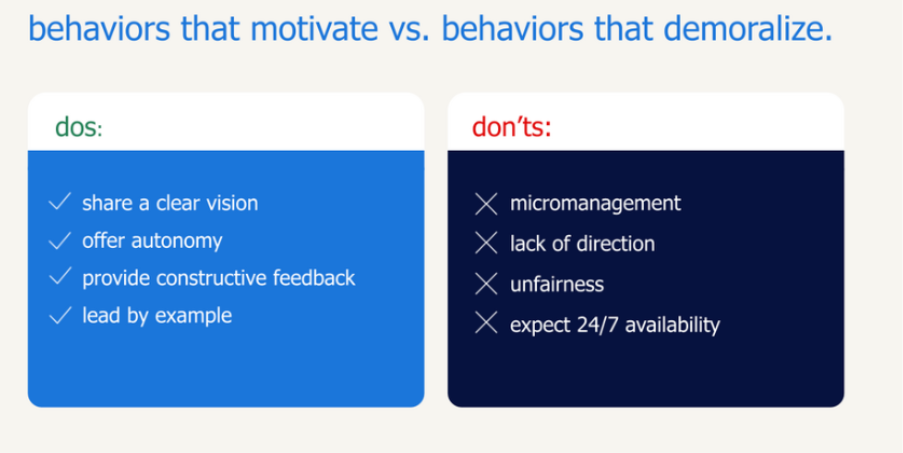
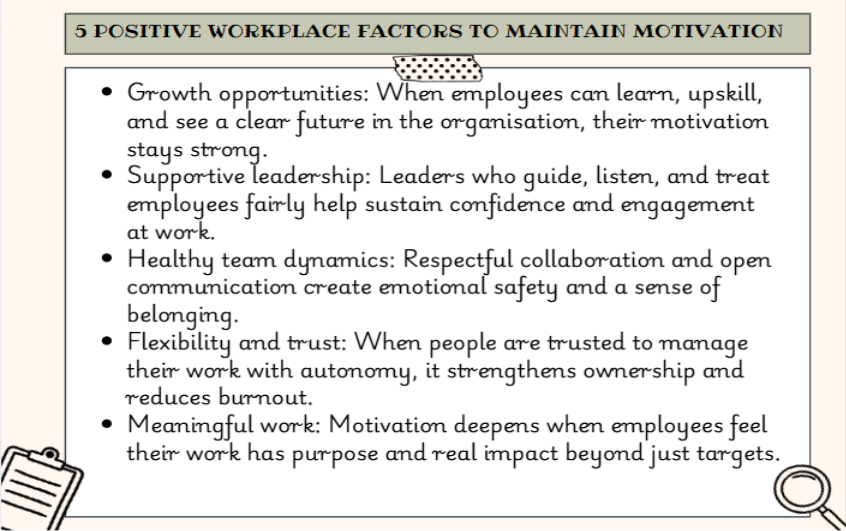
Positive Workplace Factors That Help Maintain Motivation
While motivation begins within, it is sustained by the environment in which people work every day. A supportive and positive environment enhances overall motivation and productivity.
How 1to1help Supports Workplace Motivation
When organisations partner with 1to1help, they don’t just offer a benefit; they embed a support system that strengthens mental wellbeing, reduces stress, and helps teams stay motivated, engaged, and resilient. 1to1help supports workplace motivation through its Employee Assistance Programme (EAP) by addressing both emotional well-being and organisational needs in an integrated way.
- Counselling for stress, burnout, and emotional fatigue: Employees get confidential access to professional counselling to manage emotional overload, anxiety, and burnout that often interfere with motivation.
- Structured wellbeing programmes: Ongoing mental wellbeing initiatives help employees build resilience, improve coping skills, and sustain engagement beyond crisis moments.
- Manager coaching for building motivated teams: Managers are supported through sensitisation and coaching programmes to lead with empathy, improve communication, and strengthen team motivation.
- Personalised guidance for mental wellness: Employees receive tailored support based on their emotional and psychological needs, increasing effectiveness and trust in the support process.
- Tools and assessments to understand motivation patterns: Well-being tools and assessments help identify stress levels, emotional fatigue, and engagement patterns early, allowing timely intervention.
Refer to 1to1help EAP services and Cohort-based programmes for expert solutions tailored to your needs.
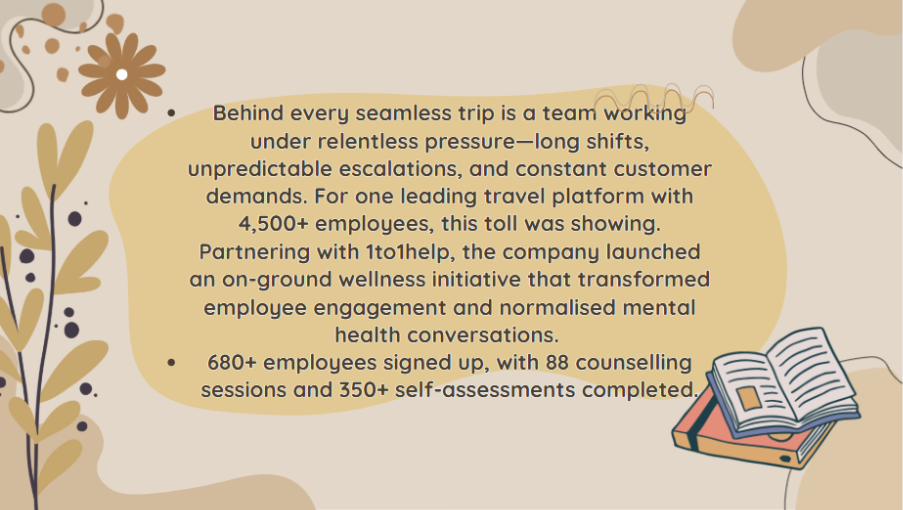
Additional Case Examples
Case 1: Employee Regaining Motivation Through Counselling
An employee experiencing emotional exhaustion and declining performance sought short-term counselling support. Through regular sessions, they learned to manage stress, set healthier boundaries, and rebuild confidence. Within a few weeks, their energy levels improved, absenteeism reduced, and engagement with work returned steadily.
Case 2: Team Improving Productivity Through Goal-Setting Frameworks
A team struggling with low morale and poor productivity introduced weekly goal-setting and progress reviews. Clear expectations and shared accountability helped reduce confusion and overwhelm. Over time, the team reported better focus, smoother collaboration, and renewed motivation to perform.
Case 3: Manager Learning Recognition Skills and Boosting Morale
A manager who previously focused only on outcomes learned to recognise effort and give regular positive feedback. As appreciation became consistent, the team reported feeling more valued, leading to visible improvements in morale, ownership, and overall motivation.
FAQs
Q1. How Do I Motivate Myself When I Feel Tired or Low?
Start by reducing pressure on yourself. Focus on rest, small achievable tasks, and emotional regulation first. Motivation usually follows energy, not the other way around.
Q2. What Keeps You Motivated at Work?
Having a purpose, learning opportunities, recognition, a supportive manager, a healthy work-life balance, and a sense of progress are among the strongest motivators.
Q3. How Do I Get Motivated to Work Again?
Rebuilding motivation involves addressing burnout, creating structure, setting realistic goals, and reconnecting with meaning in your work. If emotional distress is high, professional support can be very helpful.
Q4. How Can Managers Motivate Employees Effectively?
By providing clarity, offering regular recognition, building trust, encouraging autonomy, and creating a psychologically safe work environment.
Q5. What Should I Do If I’m Not Motivated to Work?
Pause and reflect on what might be draining your energy: burnout, lack of growth, poor boundaries, or emotional distress. Instead of forcing motivation, focus on addressing the root cause and seeking appropriate support.
Conclusion
Learning how to stay motivated at work begins with clarity, emotional well-being, and supportive environments. Whether you’re trying to motivate yourself to work or lead a team with purpose, sustainable motivation grows when mental health, growth, and balance come first.
Related Resources
- [Team Motivation: Definition, Proven Strategies & Insights for Indian Workplaces] —Explore what truly drives team motivation and learn proven strategies that leaders can use to strengthen performance and engagement.
- [Work-Life Balance in India: Meaning, Benefits & Real Strategies That Work] — Learn how mindful leadership and flexible policies can improve retention and prevent burnout.
- [Understanding Employee Attrition: A Complete Guide for Indian Workplaces] — Understand the types and causes of employee attrition in India, along with actionable steps companies can take to reduce turnover and strengthen their workforce.
- [Employee Burnout in India: Signs, Causes, Recovery & Prevention Strategies] — Understand employee burnout in India: Its signs, causes, and discover practical prevention tips to build healthier workplaces.
References
- Asana. (n.d.). What is timeboxing?
https://asana.com/resources/what-is-timeboxing
- Asana. (n.d.). Pomodoro technique: How to use it for better focus.
https://asana.com/resources/pomodoro-technique
- Asana. (n.d.). Tips to get motivated at work.
https://asana.com/resources/tips-get-motivated
- BetterUp. (n.d.). How to stay motivated at work.
https://www.betterup.com/blog/how-to-stay-motivated
- BetterUp. (n.d.). Work motivation: The value behind the task.
https://www.betterup.com/blog/work-motivation-the-value-behind-the-task
- Castrillon, C. (2023, December 10). 10 ways to motivate yourself when you’re struggling at work. Forbes.
https://www.forbes.com/sites/carolinecastrillon/2023/12/10/10-ways-to-motivate-yourself-when-youre-struggling-at-work/
- Deloitte. (n.d.). Workplace well-being research.
https://www.deloitte.com/us/en/insights/topics/talent/workplace-well-being-research.html
- Effectory. (n.d.). Why you should be thinking about engagement and motivation.
https://www.effectory.com/knowledge/why-you-should-be-thinking-about-engagement-and-motivation/
- Fiveable. (n.d.). Workplace motivation – Intro psychology key terms.
https://fiveable.me/key-terms/intro-psychology/workplace-motivation
- Indeed Career Guide. (n.d.). How to maintain motivation at work.
https://www.indeed.com/career-advice/career-development/how-to-maintain-motivation
- INS Global Consulting. (n.d.). Hybrid work challenges.
https://ins-globalconsulting.com/news-post/hybrid-work-challenges/
- LinkedIn Pulse. (n.d.). Why does my motivation go up and down?
https://www.linkedin.com/pulse/why-does-my-motivation-go-up-down-understanding-peaks-malishi--tmpzc/
- Marshall Connects. (2025, August 13). 60% of employees feel disconnected: How emotionally intelligent leaders can re-engage them.
https://www.marshallconnects.com/site/corporate-growth-news/2025/08/13/60-percent-of-employees-feel-disconnected-heres-how-emotionally-intelligent-leaders-can-re-engage-them
- PeopleTeam. (n.d.). How can I stay motivated at work?
https://peopleteam.com/blog/how-can-i-stay-motivated-at-work
- Psychology Today. (n.d.). Burnout.
https://www.psychologytoday.com/us/basics/burnout
- Randstad. (n.d.). The critical role leadership plays in employee motivation.
https://www.randstad.com/workforce-insights/employer-branding/critical-role-leadership-employee-motivation-how-managers/
- Team Brandscape. (n.d.). Causes of employee demotivation.
https://www.teambrandscape.com/blog/causes-of-employee-demotivation/
- Verywell Mind. (n.d.). Chronic stress.
https://www.verywellmind.com/chronic-stress-3145104
- Verywell Mind. (n.d.). The psychology of procrastination.
https://www.verywellmind.com/the-psychology-of-procrastination-2795944
- Wikipedia. (n.d.). Absenteeism.
https://en.wikipedia.org/wiki/Absenteeism
- AIHR. (n.d.). Employee attrition: Causes and solutions.
https://www.aihr.com/blog/employee-attrition/


.svg)
.svg)
.svg)
.svg)