


.png)


.png)

Work Related Concerns
Elevate Employee Experience: The Key to a Thriving Workforce

.png)
Written by
Aarohi Parakh,
Psychologist and Content Writer

Reviewed by
Sanjana Sivaram,
Psychologist and Clinical Content Head


Introduction
Imagine two employees beginning their Monday morning.
The first employee logs in, already feeling tired. Their workload has been increasing for months; they rarely get feedback, and their hard work often goes unnoticed. Meetings seem routine, support feels distant, and work has become something they just try to get through instead of something they care about.
The second employee starts the week feeling clear and confident. They know what is expected of them, feel comfortable reaching out for support, and recently received recognition for a project they worked hard on. They understand how their role contributes to the organisation’s goals and feel trusted to make decisions. Work feels demanding, but also meaningful.
The difference between these two scenarios is not talent, job role, or even compensation. It is Employee Experience.
Employee Experience is a strategic imperative that shapes performance, retention, and well-being across the workforce. Few transitions test that experience more than maternity — a structured maternity benefit programme ensures employees feel supported through pregnancy, postpartum, and the return to work, rather than navigating it alone.
More importantly, Employee Experience is about how work makes employees feel. Do they feel valued or overlooked? Supported or isolated? Empowered or controlled? Engaged or disconnected? Fulfilled or burnt out?
This article explores why focusing on these emotional experiences is the fastest and most effective way to elevate Employee Experience. By intentionally fostering five core feelings of being Appreciated, Supported, Empowered, Engaged, and Fulfilled, organisations can build a thriving workforce, strengthen Employee Engagement, and support long-term Employee Wellbeing.
Why Employee Experience is a Strategic Imperative for Modern Organisations
The Business Case for Employee Experience
In Indian workplaces, engaged and emotionally invested employees are far more likely to drive performance and stay with their employers. Recent workplace data suggests that employee engagement in India has declined noticeably, with reports indicating that engagement levels slipped from roughly 33% to around 30% in a single year, according to the latest Gallup workplace tracking. This drop points to growing disengagement among India’s workforce, even as companies invest in people programmes.
In practical terms, this means that, in most workplaces, employees may be physically present but not fully engaged emotionally or mentally in their roles. For organisations, this can manifest as higher turnover, lower productivity, and weaker customer service outcomes. A study by MIT's Center for Information Systems Research found that organizations with highly engaged employees report higher levels of customer satisfaction and Net Promoter Score (how likely customers are to recommend them to a friend) and generate 25% higher profits than those with lower employee experience levels and disengaged employees.

Case Example: Consider an Indian customer service centre that measured its engagement levels and found them below 40 percent. Customer Service representatives often felt unheard and under-recognised, leading to higher attrition after peak work cycles. When leadership introduced small but consistent changes such as regular one-to-one check-ins, manager recognition of daily wins, and clearer role expectations, engagement improved, absenteeism declined, and customer satisfaction scores rose within six months. This example highlights that improving Employee Experience has direct business/commercial and operational benefits.
The Emotional Foundation of Employee Experience
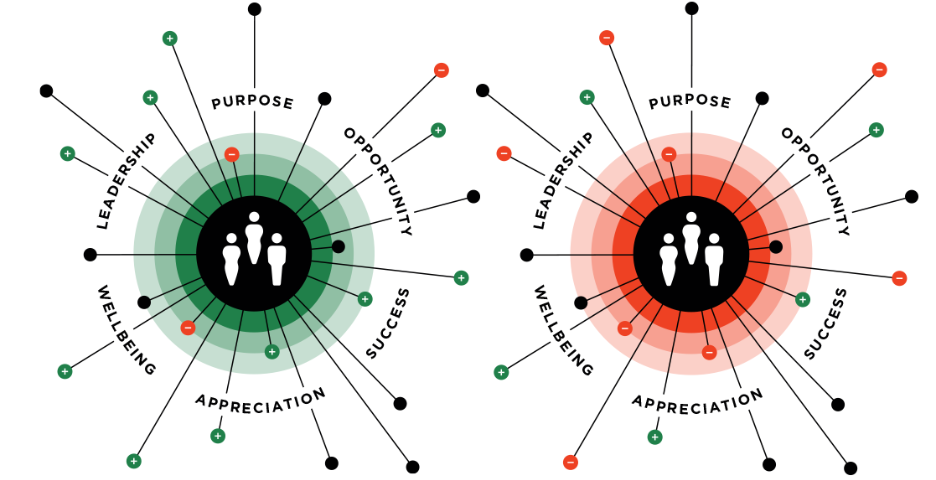
At its core, a positive Employee Experience is built on feelings: being Appreciated, Supported, Empowered, Engaged, and Fulfilled. Without these emotional anchors, organisations risk creating workplaces where employees are disengaged or disconnected.
India’s workplace wellbeing landscape illustrates this clearly. According to the Gallup State of the Global Workplace 2024 report, only 14 percent of Indian employees describe themselves as “thriving” in life, while the remaining 86 percent are either struggling or suffering in terms of overall well-being.
Even where engagement scores appear comparatively healthy, these well-being figures show a deeper emotional strain. For example, engagement might be at 32 percent, but the fact that so many employees do not feel they are thriving suggests that productivity and task completion can come at the expense of satisfaction, energy, and long-term motivation.
Case Example: In an Indian logistics company, staff engagement surveys showed moderate engagement, yet turnover remained high, and customer complaints persisted. Interviews revealed that many employees did not feel supported in stressful periods, leading to frustration and exhaustion. By introducing peer recognition, leadership rounding, and decision-making empowerment, the organisation saw not only stronger engagement but also more positive team morale and smoother service delivery.
Linking Employee Experience to Employee Wellbeing
Employee Experience and Employee Wellbeing are deeply interconnected. Poor Employee Experience often leads to stress, burnout, and deteriorating mental health, which then feeds back into disengagement and performance issues.
India’s workforce faces growing mental health challenges linked to workplace stress and life pressures. In a survey of Indian workers, 84% reported experiencing low mood or depressive thoughts, and 59% said they experienced moderate-to-severe anxiety in relation to their work environment. Indian employers are also beginning to understand the cost of neglecting well-being. For example, broader research highlights that poor mental health among employees can cost businesses an estimated ₹1.1 lakh crore (about US$14 billion) annually through absenteeism, presenteeism, and attrition.
Case Example: In one Indian IT firm, leaders noticed rising stress complaints during high delivery seasons. Rather than treating it as an individual problem, they examined workplace patterns and found that unclear expectations and a lack of support were significantly contributing to stress. They piloted stress management workshops and enhanced manager support training. Within months, employees reported feeling more supported and better able to balance goals with wellbeing.

When organisations consciously design Employee Experience around emotional well-being, providing clear communication, psychological safety, recognition, and support, they reduce the conditions that lead to stress and burnout. Instead of reacting to issues after they arise, companies proactively strengthen resilience, engagement, and overall Employee Wellbeing.
The 5 Core Feelings That Drive a Positive Employee Experience
A thriving workplace culture does not happen by accident. It is intentionally shaped by addressing the emotional needs of the workforce. The following five feelings form the foundation of a strong Employee Experience and guide the strategies discussed in this article.
- Feeling Appreciated
- Feeling Supported
- Feeling Empowered
- Feeling Engaged
- Feeling Fulfilled
Each section below explores why the feeling matters and how organisations can cultivate it through practical, actionable strategies.
1. Feeling Appreciated: Boosting Morale and Value
Why Feeling Appreciated Matters
Feeling appreciated is one of the most powerful drivers of motivation. When employees feel recognised for their efforts, they experience a sense of worth and belonging. Recognition validates contributions and reassures employees that their work matters.
A survey by O.C. Tanner found that 79% of employees who quit their jobs cite a “lack of appreciation” as a key reason. Appreciation is not always about grand gestures. It is about consistent acknowledgement of effort, impact, and progress.
Actionable Strategies to Foster Appreciation
- Implement Formal Recognition Programmes
Structured recognition programmes create visible and consistent appreciation across the organisation. These may include monthly or quarterly awards, certificates for milestones, or public acknowledgements in team meetings or company-wide communication channels.
Case Example: An Indian manufacturing unit introduced a “Quality Star of the Month” recognition for employees who maintained high quality standards. Employees reported feeling proud and more acknowledged, and managers noticed greater attention to quality across shifts.
💡Pro-tip: Keep recognition criteria clear and inclusive so employees understand what behaviours and contributions are valued, reducing perceptions of favouritism.

- Encourage Personalised Appreciation from Managers
Personalised appreciation often has a stronger emotional impact than formal rewards. Simple, sincere recognition from managers helps employees feel seen and valued in their day-to-day work.
Case Example: In a consulting firm, managers began sending short thank-you emails after project milestones, clearly naming individual contributions. Employees reported feeling more motivated and confident in their roles.
Personalised appreciation can take many forms, including handwritten notes, short messages, or one-to-one conversations that acknowledge individual effort and impact.
💡Pro-tip: Be specific about what the employee did and why it mattered. Saying “Thank you for staying late to ensure the client presentation was accurate” is far more effective than a generic “Good job.”
- Enable Peer-to-Peer Recognition
Peer-to-peer recognition builds a culture of mutual respect and teamwork. When employees acknowledge each other’s efforts, appreciation becomes a shared responsibility rather than a top-down process. Many organisations now use online platforms or dedicated communication channels where employees can recognise each other’s contributions.
Case Example: An Indian start-up introduced a weekly “Shout-Out Friday” on its internal messaging platform, where employees could publicly appreciate colleagues for support, collaboration, or problem-solving. Over time, this simple practice improved team morale and cross-functional cooperation.
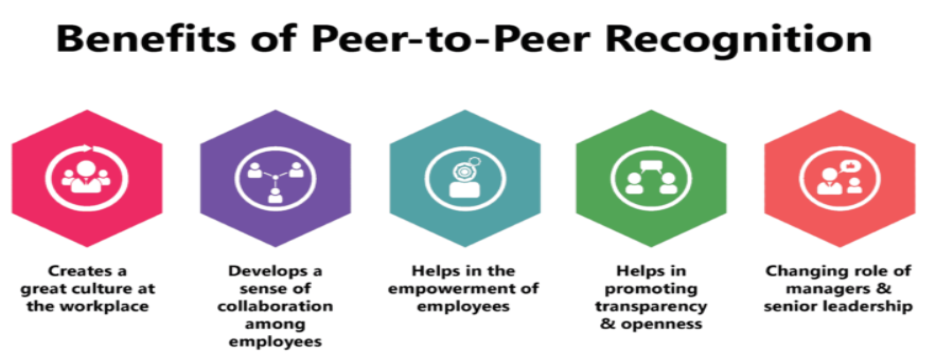
💡Pro-tip: Make peer recognition visible by sharing it in team meetings or internal channels to reinforce appreciation as a cultural norm.
2. Feeling Supported: Fostering Confidence and Belonging
Why Support Builds Stronger Workforces
Employees should feel supported by both their leaders and colleagues. Supportive environments foster collaboration, confidence, and a sense of belonging within the workforce. When employees know they have a reliable support system, they are more willing to ask questions, seek help, and take on challenges.
According to Deloitte, employees who feel supported by their organisation are twice as likely to be engaged and three times more likely to report high levels of wellbeing, directly linking support to Employee Engagement and Employee Wellbeing.
Recommended Read: Team Motivation: Definition, Proven Strategies & Insights for Indian Workplaces
Actionable Strategies to Foster Support
- Conduct Regular, Meaningful Check-Ins
Regular one-to-one check-ins give employees space to discuss workload, challenges, development, and wellbeing, not just task updates.
Case Example: In an Indian healthcare organisation, managers introduced fortnightly check-ins focused on workload and emotional stress during peak periods. Employees reported feeling more supported, and burnout-related absenteeism reduced.
💡Pro-tip: Ask open-ended questions such as “What support would help you right now?” instead of assuming what employees need.
- Invest in Professional Development Programmes
Professional development signals that the organisation is invested in employees’ long-term growth. Workshops, online courses, and skill-building sessions help employees feel supported in their career journey.
Case Example: A mid-sized Indian BFSI firm offered short monthly skill workshops aligned to career paths. Employees reported greater confidence and clearer growth direction, improving retention.
💡Pro-tip: Align development opportunities with both organisational goals and individual aspirations.
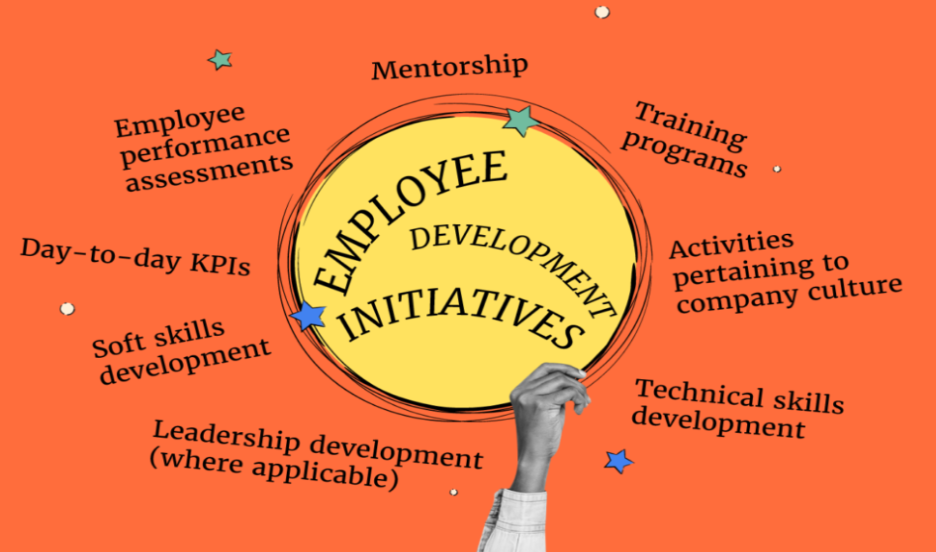
- Establish Mentorship Programmes
Mentorship programmes pair employees with experienced mentors who provide guidance, perspective, and encouragement, especially valuable for new hires and early-career professionals.
Case Example: A technology start-up in Bengaluru paired new joiners with senior mentors for the first six months. New employees reported faster adjustment and stronger belonging.
💡Pro-tip: Allow mentees to have a say in mentor selection to build trust and rapport.
3. Feeling Empowered: Cultivating Ownership and Autonomy
Why Empowerment Drives Performance
Empowered employees feel trusted and capable. When employees have autonomy and a sense of control over their work, they take greater ownership, show creativity, and feel pride in their contributions.
Research by Harvard Business Review shows that autonomy is one of the strongest predictors of job satisfaction and performance.
Actionable Strategies to Foster Empowerment
- Delegate Decision-Making Authority Thoughtfully
Delegating decision-making authority within clear boundaries and guidance as needed, allows employees to take ownership without confusion.
Case Example: In an Indian logistics company, team leaders allowed employees to resolve customer issues independently up to a defined limit. This reduced escalation delays and increased employee confidence.
💡Pro-tip: Start with smaller decisions and gradually expand authority as confidence grows.

- Practice Transparent Communication
Transparent communication about goals, challenges, and decisions helps employees understand the bigger picture and feel empowered to contribute their ideas and opinions.
Case Example: A manufacturing firm began sharing monthly business updates with frontline teams, helping employees understand how their work impacted outcomes. Engagement improved noticeably.
💡Pro-tip: Explain not just what decisions were made, but why they were made.
- Offer Skill Enhancement Opportunities
Training programmes that build technical, leadership, and problem-solving skills should be offered by organisations. Providing opportunities for professional growth equips employees with the knowledge and confidence needed to take on new challenges and responsibilities, empowering them in their roles.
Case Example: An Indian retail chain trained store staff in conflict handling and customer communication, empowering them to manage situations independently.
💡Pro-tip: Encourage employees to apply new skills immediately through stretch tasks or projects.
4. Feeling Engaged: Connecting Purpose to Productivity
Why Engagement Goes Beyond Motivation
Engaged employees are emotionally invested in their work. They care about outcomes, feel connected to organisational purpose, and are more willing to go the extra mile.
Gallup reports that only around 23% of employees globally are actively engaged, highlighting the importance of intentional engagement strategies.
Actionable Strategies to Foster Engagement
- Align Individual Goals with Organisational Purpose
Establishing clear communication channels to convey the company’s vision, mission, and goals help employees understand how their work contributes to the larger purpose. This alignment creates a sense of engagement and motivation.
Case Example: A social impact organisation in India linked individual KPIs to community outcomes. Employees reported stronger motivation and meaning in their work.

💡Pro-tip: Revisit goals regularly to keep them relevant and motivating.
- Implement Continuous Feedback and Development
Ongoing feedback such as performance evaluations of check-ins supports learning, growth, and engagement more effectively than annual reviews alone. Opportunities in the form of training programs or job rotations aid personal and professional growth for the employees.
Case Example: An Indian consulting firm replaced annual appraisals with structured quarterly development conversations focused on goals, skills, and support needs. This shift enabled real-time feedback and clearer performance expectations throughout the year. As a result, employees reported higher engagement, reduced appraisal anxiety, and stronger alignment with business priorities.
💡Pro-tip: Balance constructive feedback with strengths-based conversations.
Recommended Read: Types of Feedback: How to Give and Receive It Effectively at Work
- Provide Challenging and Meaningful Work
Challenging projects signal trust and recognition of employees’ capabilities. Giving employees meaningful and challenging work helps them stay engaged and motivated.
Case Example: A fintech company assigned high-potential employees to cross-functional projects, boosting engagement and skill development.

💡Pro-tip: Match challenges to skill levels to avoid overwhelm.
Source: runn
5.Feeling Fulfilled: Achieving Meaning and Satisfaction
Why Fulfilment Sustains Long-Term Wellbeing
Fulfilment reflects a deeper sense of meaning, satisfaction, and alignment with personal values. Fulfilled employees are more resilient and less likely to experience burnout.
According to PwC, employees who find meaning in their work are over three times more likely to stay with their organisation.
Actionable Strategies to Foster Fulfilment
- Communicate Purpose-Driven Work Clearly
Helping employees understand the impact of their work on customers, communities, or society as a whole, creates meaning and fulfilment.
Case Example: An Indian healthcare provider regularly shared patient recovery stories with staff, reinforcing the purpose behind daily tasks.
💡Pro-tip: Use real stories rather than abstract mission statements.
- Promote Healthy Work-Life Integration
Supporting employees in achieving work-life integration by promoting flexible work arrangements, encouraging work-life balance, and recognizing the importance of personal well-being can be effective measures. When employees have the flexibility to balance their personal and professional lives, they experience greater fulfilment and satisfaction.
Case Example: A corporate firm introduced flexible working hours for caregivers, leading to improved morale and reduced burnout.
💡Pro-tip: Leaders should model healthy boundaries to normalise balance.
Recommended Read: Work-Life Balance in India: Meaning, Benefits & Real Strategies That Work
- Use a Strength-Based Approach
Managers should look out to identify employees’ strengths and assign tasks that align with it, giving them opportunities to excel. When employees use their strengths regularly, they feel more confident and fulfilled.
Case Example: A media company realigned roles based on employee strengths, leading to higher satisfaction and better output quality.
💡Pro-tip: Include strengths discussions in performance and development conversations.
Building Resilience: How EAP Supports Your Employee Experience Strategy
Even in the most supportive workplaces, employees face personal, emotional, and psychological challenges. This is where an Employee Assistance Programme (EAP) becomes a critical pillar of Employee Experience.
An Employee Assistance Programme provides confidential access to counselling, mental health support, stress management resources, and guidance for personal and work-related issues. It acts as a safety net that complements organisational strategies by addressing challenges early.
EAPs support Employee Wellbeing by:
- Reducing stress and burnout
- Providing professional emotional support
- Enhancing coping skills and resilience
- Supporting employees during life transitions and crises
Organisations that integrate EAPs into their Employee Experience strategy demonstrate genuine care for their workforce. Rather than reacting to problems after productivity declines, they invest proactively in emotional health and resilience.
Conclusion: Making Employee Experience Your Competitive Edge
Employee Experience is not a single initiative or programme. It is a continuous commitment to how people feel at work. When employees feel Appreciated, Supported, Empowered, Engaged, and Fulfilled, organisations unlock the full potential of their workforce.
In an increasingly competitive and complex work environment, Employee Experience has become a powerful differentiator. Organisations that prioritise emotional experience build resilient cultures, stronger engagement, and sustainable performance.
Now is the time to move from intention to action. By embedding these strategies and supporting them with robust wellbeing solutions such as an Employee Assistance Programme, organisations can create workplaces where employees do not just work, but thrive.
Contact 1to1help to learn how a comprehensive EAP strategy can strengthen your Employee Experience and support a healthier, more engaged workforce.
References
- Avanade. (n.d.). Modern workplace services. https://www.avanade.com/en-us/services/microsoft-tech/modern-workplace
- British Safety Council. (2022). Deloitte study shows 80 per cent of employees report poor mental health. https://www.britsafe.in/safety-management-news/2022/deloitte-study-shows-80-per-cent-of-employees-report-poor-mental-health
- Change in Content. (n.d.). Gallup report highlights India’s workplace crisis. https://www.changeincontent.com/gallup-report-india-workplace-crisis/
- Cleveland Clinic. (n.d.). Stress. https://my.clevelandclinic.org/health/diseases/11874-stress
- Elevate Leadership. (n.d.). What is employee experience and why it matters. https://www.elevateleadership.com/blog/employee-experience
- Gallup. (2024). State of the global workplace. https://www.gallup.com/workplace/349484/state-of-the-global-workplace.aspx
- Gallup. (n.d.). The importance of employee wellbeing. https://www.gallup.com/workplace/404105/importance-of-employee-wellbeing.aspx
- Harvard Business Review. (2021). Forget flexibility. Your employees want autonomy. https://hbr.org/2021/10/forget-flexibility-your-employees-want-autonomy
- Investopedia. (n.d.). Presenteeism. https://www.investopedia.com/terms/p/presenteeism.asp
- Manah Wellness. (2024). Inside the India workplace wellbeing report [LinkedIn post]. https://www.linkedin.com/posts/manah-wellness_inside-the-india-workplace-wellbeing-report-activity-7375861426910973952-pCMz/
- O.C. Tanner Institute. (n.d.). The business case for employee recognition. https://www.octanner.com/white-papers/the-business-case-for-employee-recognition
- O.C. Tanner Institute. (n.d.). 5 HR challenges and 5 ways recognition can help. https://www.octanner.com/white-papers/5-hr-challenges-5-ways-recognition-can-help
- O.C. Tanner Institute. (n.d.). Your complete guide to successful employee recognition programs. https://www.octanner.com/articles/your-complete-guide-to-successful-employee-recognition-programs
- Psychological Safety. (n.d.). What is psychological safety? https://psychsafety.com/about-psychological-safety/
- Psychology Today. (n.d.). Motivation. https://www.psychologytoday.com/us/basics/motivation
- PwC. (n.d.). The value of authentic organisational culture. https://www.pwc.com/gx/en/issues/workforce/the-value-of-authentic-organizational-culture.html
- Runn. (n.d.). Employee experience explained. https://www.runn.io/blog/employee-experience
- Sreenivas, S. N. (2024). Gallup report 2024: Employee wellbeing and mental health at work [LinkedIn post]. https://www.linkedin.com/posts/sreenivas-sn_gallupreport2024-employeewellbeing-mentalhealthatwork-activity-7327564309054525441-LMPu/
- Vantage Circle. (n.d.). Why employee experience matters. https://www.vantagecircle.com/en/blog/employee-experience/#why-employee-experience-matter
- World Health Organization. (2019). Burn-out an occupational phenomenon: International Classification of Diseases. https://www.who.int/news/item/28-05-2019-burn-out-an-occupational-phenomenon-international-classification-of-diseases


.svg)
.svg)
.svg)
.svg)