


.png)


.png)

Mental Health Concerns
Emotional Wellbeing: The Science-Backed Toolkit for Emotional Resilience, Regulation & Meaningful Living

.png)
Written by
Aarohi Parakh,
Psychologist and Content Writer

Reviewed by
Sanjana Sivaram,
Psychologist and Clinical Content Head


Introduction
Emotional wellbeing in India is often misunderstood. It is either reduced to the idea of “staying positive” or dismissed with phrases like “stay calm” or “If you adjust, everything will be fine.” Yet emotional wellbeing is not blind optimism, nor is it emotional suppression. It is the ability to experience emotions fully, regulate them effectively, adapt to stress, and maintain a sense of meaning in the midst of real-world pressures.
And let’s face it, these pressures are not straightforward; they are nuanced and layered. Academic competition begins early. Career expectations are high. Family structures are interdependent. Financial uncertainty, social comparison, and rapid urbanisation can further complicate matters. According to the National Mental Health Survey of India, nearly one in seven Indians experiences a mental health disorder at some point. Among urban youth, stress and anxiety levels are rising steadily.
This makes emotional wellbeing a public health priority, not a self-help trend.
This article moves from definition to science to practice. It explains the three pillars of wellbeing, explores the mind-body connection, highlights red flags, and offers a structured toolkit to strengthen resilience in everyday Indian life.
The goal is expert-led yet accessible. Understanding emotional wellbeing can be complex, but it should not be confusing.
Defining Emotional Wellbeing
The Umbrella Definition
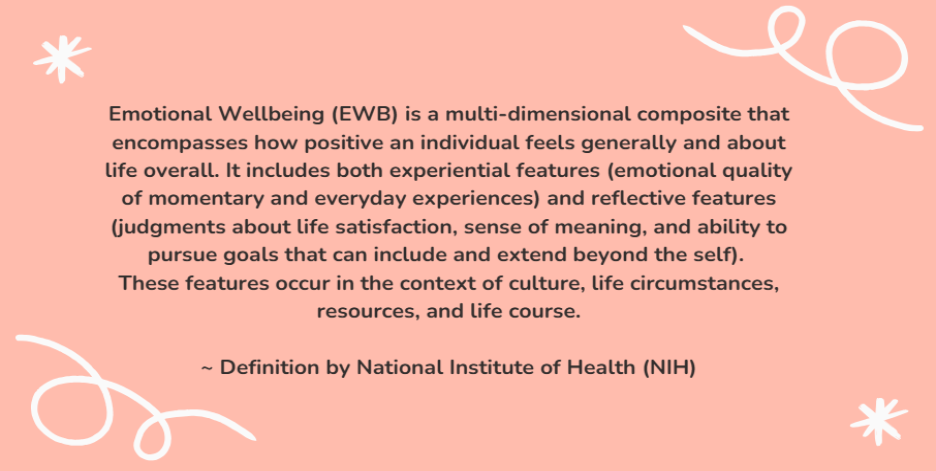
Emotional wellbeing is the ability to experience positive emotions, regulate difficult ones, adapt to stress, recover from setbacks, and maintain a sense of purpose. It does not mean constant happiness. It means emotional flexibility.
A key point to be noted is that resilience is embedded in this definition. Without resilience, stress overwhelms. With resilience, stress becomes manageable.
For example, a young professional in Mumbai may feel anxious before a client presentation. Emotional wellbeing does not eliminate that anxiety. It allows the person to regulate it, perform effectively, and recover without spiralling into self-criticism. Emotional regulation involves recognising emotions, understanding their triggers, and choosing responses rather than reacting impulsively.
💡Pro-Tip: Resilience grows when you bounce back from challenges. Avoiding all discomfort weakens your emotional muscle. Facing small stressors intentionally strengthens it.
Recommended Read: How to Build Resilience: A Practical Guide for Indians Dealing with Stress, Pressure & Change
The Emotional Operating System
A helpful way to understand emotional wellbeing is to imagine an internal operating system. This system processes experiences, interprets events, and guides behaviour.
In Indian families, where multiple generations often live together or are emotionally connected on a daily basis, emotional triggers are frequent. Differences in values, lifestyle, and expectations can activate stress. If the emotional operating system is stable, conflict can be navigated constructively. If it is overloaded, small disagreements escalate quickly.
Neuroscience explains this process. The amygdala detects threat. When it perceives danger, it activates the fight-or-flight, freeze, or fawn response. The prefrontal cortex helps us pause and think. Emotional regulation strengthens the connection between these brain regions. The stronger this connection, the greater your emotional resilience.
Case Example: Imagine a 27-year-old working professional in a joint family setting. During dinner, a relative comments, “When are you planning to settle down? You are not getting younger.” The amygdala registers this as a threat, not because the question is dangerous, but because it touches identity, autonomy, and social pressure. The immediate impulse may be irritation or defensiveness.
If the emotional operating system is overloaded, the response may be sharp or sarcastic. The situation escalates. If it is regulated, the prefrontal cortex intervenes. The individual pauses, recognises the trigger, and responds calmly, perhaps saying, “I appreciate the concern. I am focusing on my career right now, and I will take that decision thoughtfully.”
Same trigger. Different regulation. Different outcome.
💡Pro-Tip: When you feel emotionally activated, identify whether the threat is physical or psychological. Most everyday conflicts are ego threats, not survival threats. Simply telling yourself “This is uncomfortable, not dangerous” helps calm the amygdala and restore prefrontal control. This single cognitive shift strengthens emotional resilience over time.
Wellbeing vs. Wellness
Wellbeing is the state of emotional balance. It reflects how steady, regulated, and aligned you feel internally. When emotional wellbeing is strong, you can manage stress without becoming overwhelmed and experience positive emotions without losing stability.
Wellness is the process that builds that state. It consists of the daily behaviours that strengthen emotional regulation and emotional resilience over time. In the Indian context, many people assume that once external milestones are achieved, emotional stability will automatically follow. Yet career success, marriage, or financial security do not guarantee inner balance. Emotional wellbeing requires active maintenance.
Resilience develops through consistent wellness habits such as:
- Prioritising 7 to 8 hours of quality sleep
- Engaging in regular physical movement, even a 15-minute walk
- Practising mindfulness, prayer, or breathing exercises
- Seeking counselling or having reflective conversations
- Maintaining supportive social connections
- Setting clear boundaries around work and family demands
- Taking intentional breaks from digital overload
Each of these behaviours strengthens the nervous system and improves recovery after stress. Over time, they build the muscle of resilience.
💡Pro-Tip: Instead of asking why you feel overwhelmed, ask what resilience habits are currently missing. Emotional wellbeing is rarely about personality. It is usually about maintenance. Resilience is built through repeated action.

The Three Pillars of Emotional Wellbeing
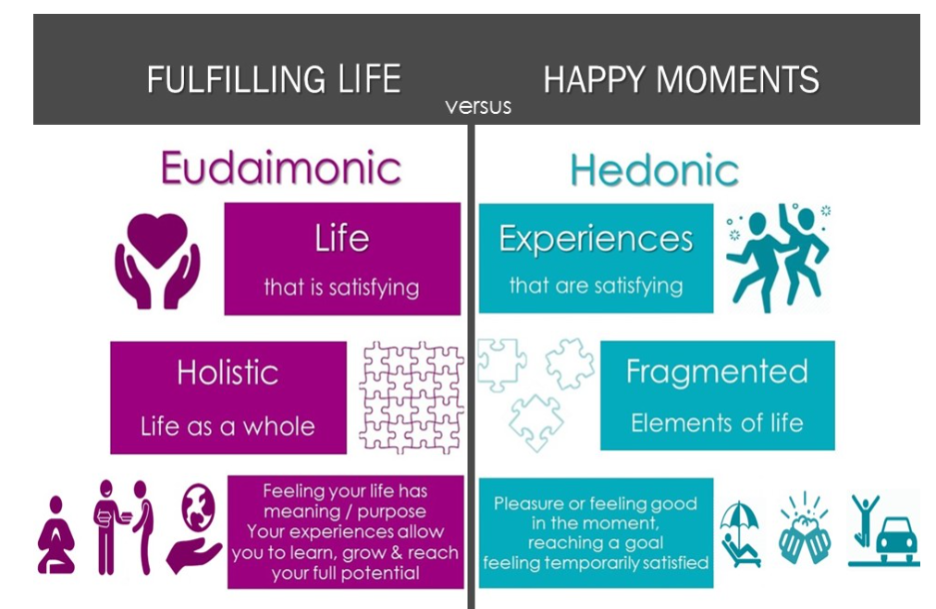
Emotional wellbeing rests on three pillars: hedonic, evaluative, and eudaimonic. Resilience interacts with all three.
1. The Hedonic Pillar: Emotional Balance
Hedonic wellbeing refers to the balance between positive and negative emotions. It is about maximising pleasure and minimizing displeasure.
In high-pressure Indian workplace environments, negative affect can dominate. Yet resilience ensures that positive experiences are not absent.
Case Example: A 30-year-old investment banker in Bengaluru experiences intense quarterly targets. However, he protects his Sunday morning football ritual. These moments of joy are not trivial. They replenish emotional resources.
Research shows that positive emotions broaden thinking and enhance coping capacity. They build resilience over time.
💡Pro-Tip: Schedule small positive experiences weekly. Do not wait for large achievements. Micro joy strengthens resilience.
2. The Evaluative Pillar: Life Satisfaction
Evaluative wellbeing reflects how you judge or evaluate your life overall. It measures long-term satisfaction and fulfillment rather than daily, fleeting emotions.
In India, life satisfaction is often intertwined with career success, marriage, financial security, and family approval. When external validation becomes the sole metric, resilience weakens because identity becomes fragile.
Case Example: A 28-year-old woman working in Pune faces pressure to marry. She chooses to prioritise career progression for now. Despite societal commentary, she reports high life satisfaction because her decisions align with her values.
Resilience here involves tolerating social pressure without abandoning personal direction.
💡Pro-Tip: Ask yourself monthly: Are my choices value-driven or fear-driven? Value alignment strengthens long-term resilience.
3. The Eudaimonic Pillar: Meaning and Purpose
Eudaimonic well-being is based on the concept of eudaimonia, a Greek term that is often translated as “happiness” or “well-being,”. In modern psychology, eudaimonia is often used to describe a state of well-being that is characterized by a sense of meaning, purpose, and fulfilment in life.
In India, purpose is often closely tied to relationships and responsibility, such as supporting family, raising children, mentoring others, and contributing to community or spirituality.
Research consistently links purpose with lower stress reactivity and improved physical health outcomes.
Case Example: A retired government employee in Ahmedabad mentors civil service aspirants free of cost. His sense of purpose buffers loneliness and ageing-related anxiety.
Resilience without purpose becomes endurance. Resilience with purpose becomes growth.
💡Pro-Tip: If you feel stuck, increase contribution. Helping others often restores meaning faster than self-focus alone.
Why Emotional Wellbeing Matters: The Mind Body Connection
Emotional wellbeing is not confined only to feelings. It directly influences the body, cognition, and relationships. The mind-body connection is central to understanding why emotional regulation and emotional resilience are not optional skills but essential capacities for functioning in modern India.
Resilience protects both the mind and body. When emotional regulation is strong, the nervous system activates during stress and then returns to baseline efficiently. When regulation is weak, the body remains in a prolonged state of stress. That is where long-term damage begins.
Physical Health: Emotional Resilience and the Body
India is witnessing a sharp rise in lifestyle diseases. According to national health data, cardiovascular disease remains one of the leading causes of mortality in the country. Chronic stress plays a significant role.
When stress is persistent, cortisol levels remain elevated. This disrupts sleep, increases inflammation, affects blood sugar regulation, and weakens immunity. Over time, emotional dysregulation becomes biological dysregulation.
Emotionally resilient individuals show faster physiological recovery after stress. Their heart rate stabilises sooner. Their breathing regulates faster. Their nervous systems shift back into parasympathetic mode more efficiently. This recovery capacity is a measurable marker of emotional resilience.
In simple terms, stress is inevitable in Indian life, whether from exams, road traffic, caregiving, finances, or work deadlines. Chronic dysregulation is not inevitable. Emotional wellbeing reduces the physical cost of stress.
💡Pro-Tip: Focus on recovery, not just endurance. After an intense day, engage in one deliberate regulation practice such as a 10-minute walk, slow breathing, or device-free time before sleep. Emotional resilience depends on how well you recover, not how much you tolerate.
Recommended Read: 15 Must Try Stress Relief Activities To Help You Relax
Cognitive Performance: Emotional Regulation and Mental Clarity
India’s academic and professional landscape demands sustained cognitive performance. Competitive examinations, performance appraisals, entrepreneurship, and leadership roles require attention, memory, and decision-making under pressure.
Emotional dysregulation narrows attention. Anxiety consumes working memory. Rumination reduces problem-solving capacity. When the mind is overloaded with unprocessed emotion, cognitive bandwidth shrinks.
Emotional regulation restores that bandwidth. Resilience stabilises attention and improves executive functioning.
Research among Indian medical students has shown that those with stronger emotional regulation skills reported lower burnout and better academic performance. Similar findings emerge in corporate settings, where employees with greater emotional resilience demonstrate higher productivity and fewer stress-related errors.
Case Example: A UPSC aspirant experiences intense anxiety before mock examinations. After practising structured breathing and cognitive reframing, anxiety reduces from overwhelming to manageable. Performance improves, not because stress disappears, but because mental clarity increases. Emotional resilience expands usable cognitive space.
Emotional wellbeing, therefore, enhances cognitive performance by reducing internal noise and chatter.
Social Connectivity: Emotional Wellbeing in Relationships
India’s construct is deeply relational. Families, friendships, and professional networks play a central role in identity and support systems. Emotional wellbeing significantly influences social connectivity.
When emotional regulation is weak, irritability increases. Withdrawal becomes common. Passive aggression replaces open communication. Over time, relational trust erodes.
Emotionally resilient individuals manage conflict differently. They pause before reacting. They repair after disagreement. They communicate boundaries without hostility.
Attachment research consistently shows that regulated individuals resolve conflicts more quickly and maintain deeper, more secure relationships. In collectivist cultures, this relational resilience is especially important because social harmony directly impacts overall life satisfaction.
Strong social connectivity, in turn, reinforces emotional wellbeing. Supportive relationships buffer stress and improve recovery capacity. This creates a reinforcing loop between resilience and connection.
💡Pro-Tip: After any conflict, prioritise repair within 24 hours. A calm conversation, clarification, or even a simple acknowledgement reduces emotional residue. Quick repair strengthens relational resilience and protects long term wellbeing.
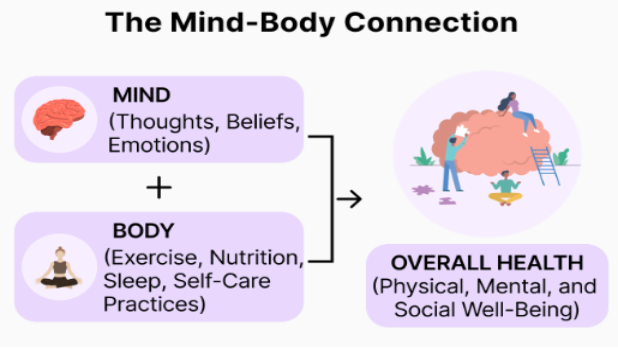
Emotional wellbeing strengthens physical health, cognitive performance, and social connectivity. At the centre of all three lies emotional resilience, acting as the capacity that helps us adapt and recover when challenged.
The "Red Flags": Recognizing Emotional Distress
Emotional resilience works like a muscle, but like any muscle, it fatigues when overused and under-rested. Emotional wellbeing does not eliminate stress. It ensures recovery. When recovery does not happen consistently, early warning signs begin to appear.
Recognising these red flags early is essential for protecting emotional regulation and preventing long-term mental health concerns.
Common Red Flags of Emotional Distress
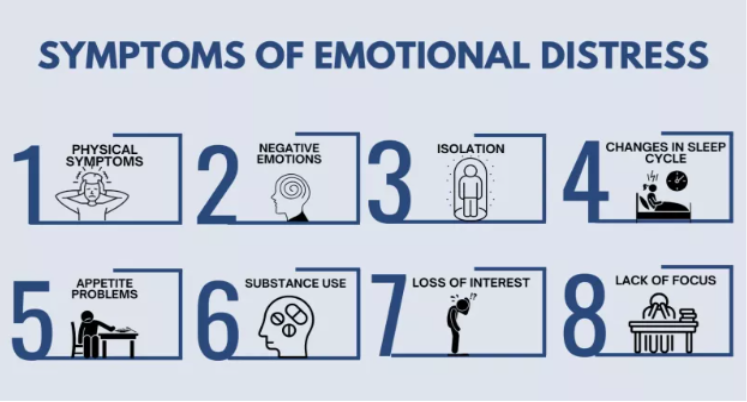
The following indicators often signal that your emotional wellbeing is under strain:
- Persistent irritability or frequent emotional outbursts
- Emotional numbness or feeling disconnected from yourself
- Social withdrawal or avoiding previously enjoyable interactions
- Sleep disruption, either insomnia or excessive sleeping
- Frequent headaches, body aches, digestive discomfort, or unexplained fatigue
- Loss of interest in work, hobbies, or relationships
- Feeling stuck, helpless, or persistently hopeless
- Unhealthy coping mechanisms such as substance use, high screen time, disrupted appetite (stress eating or difficulty eating)
These signs are not character flaws. They are regulatory signals. They indicate that your emotional operating system is overloaded.
The Indian Context: When Distress Shows Up in the Body
In India, there is less understanding about how emotional distress can create physical or somatic complaints. Many individuals, thus, may consult physicians first for headaches, chest tightness, acidity, or chronic fatigue before recognising emotional strain.
Cultural norms sometimes discourage open emotional expression. As a result, stress is internalised and expressed physically. Research in Indian clinical settings consistently shows a strong link between psychological stress and somatic complaints.
For example, a 35-year-old corporate employee may repeatedly report migraines and gastric issues. Medical tests show no significant pathology. Upon exploration, chronic workplace stress and unresolved emotional pressure are identified as underlying contributors.
This mind-body connection reinforces why emotional regulation is not optional. The body eventually communicates what the mind suppresses.
When to Seek Professional Support
It is important to distinguish between temporary stress and clinically significant distress.
Seek professional support if:
- Symptoms persist for more than two weeks
- Daily functioning is impaired
- Work or academic performance declines noticeably
- Relationships begin to deteriorate
- Thoughts of self-harm or hopelessness emerge
In India, support may include consulting a clinical psychologist, psychiatrist, or accessing district mental health services and tele-mental health platforms.
Resilience does not mean handling everything alone. In fact, help-seeking is a marker of emotional resilience. It reflects insight, responsibility, and proactive regulation.
💡Pro-Tip: Do not wait for a breakdown to justify support. Address mild emotional strain. Early intervention strengthens resilience and prevents a crisis. Think of it as preventive maintenance for your emotional wellbeing.
The Emotional Wellbeing Toolkit
Building Emotional Resilience in Practice
Understanding emotional wellbeing intellectually is useful. Practising it is transformative. Emotional resilience strengthens through repetition, not insight alone. The following modules translate the science of emotional regulation into structured, culturally relevant tools that can be integrated into one’s daily life.
These are not quick fixes. They are resilience drills. When practised consistently, they strengthen the emotional operating system and improve recovery cycles.
Module 1: The Right Now Reset
Immediate Emotional Regulation
Acute stress is inevitable. The goal is not to eliminate activation but to shorten its duration. Emotional resilience is measured not by whether you get triggered, but by how quickly you return to baseline.
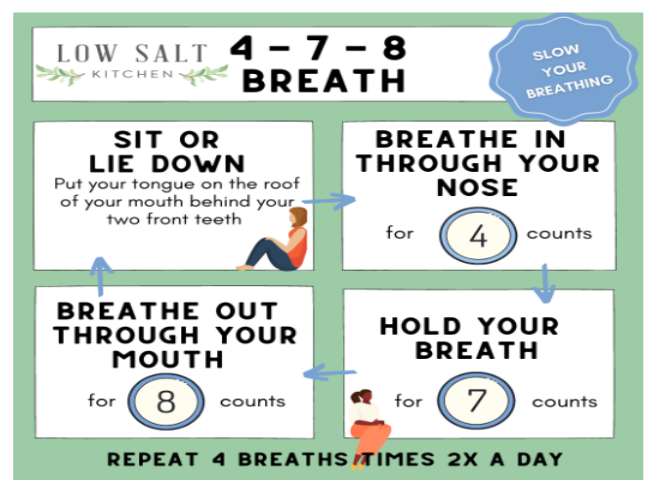
The 4 7 8 Breath
Inhale for four seconds
Hold for seven
Exhale for eight
Extending the exhalation activates the parasympathetic nervous system. This reduces heart rate, stabilises blood pressure, and signals safety to the brain. Research in psychophysiology shows that slow breathing activates the body’s natural calming response, which is directly associated with emotional resilience and stress recovery.
In high-pressure Indian settings such as corporate presentations, academic examinations, or difficult family discussions, this tool can prevent emotional escalation within minutes.
💡Pro-Tip: Practise this technique daily when calm. Emotional resilience builds through rehearsal. During crisis, the brain defaults to what it has practised.
The Grounding Pause
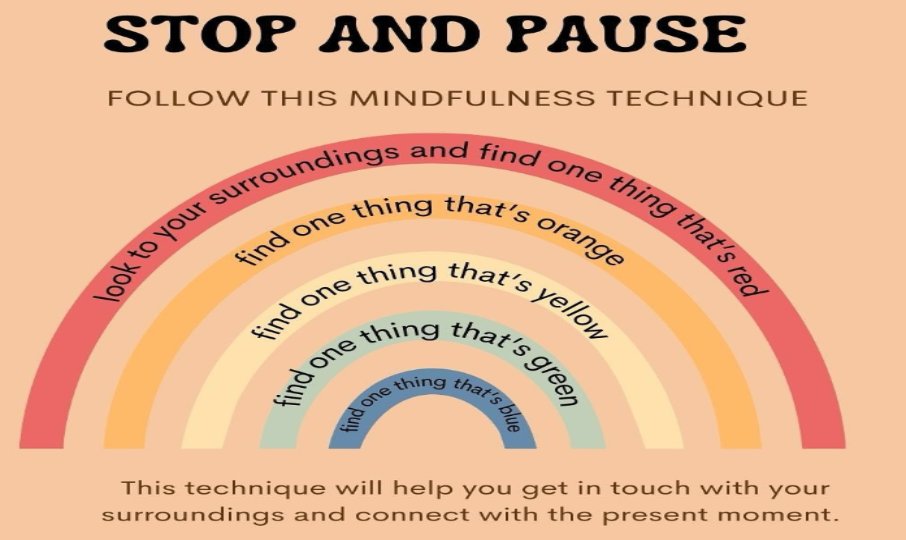
Step one: Take a slow breath.
Step two: Physically touch an object near you and observe its texture.
Step three: Ask yourself, what do I truly want to say or do right now?
This technique interrupts automatic reactions. It shifts processing from the amygdala to the prefrontal cortex.
In collectivist cultures where emotional triggers may arise during intergenerational conversations, the grounding pause creates psychological space. That pause is the birthplace of resilience.
Resilience grows in the gap between stimulus and response.
Body Scan
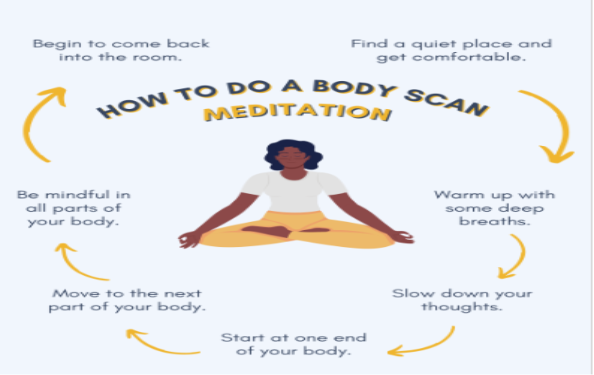
Scan your body from head to toe. Notice tension, temperature, or heaviness without attempting to change it.
In India, the awareness around emotional distress manifesting somatically is limited. Headaches, jaw tension, back stiffness, and gastric discomfort may surface first during stress. Increasing internal awareness strengthens emotional regulation because bodily sensations often precede emotional awareness. When you can detect stress early in the body, you can regulate it before it escalates.
Module 2: Cognitive Reframing
Strengthening the Thinking Brain
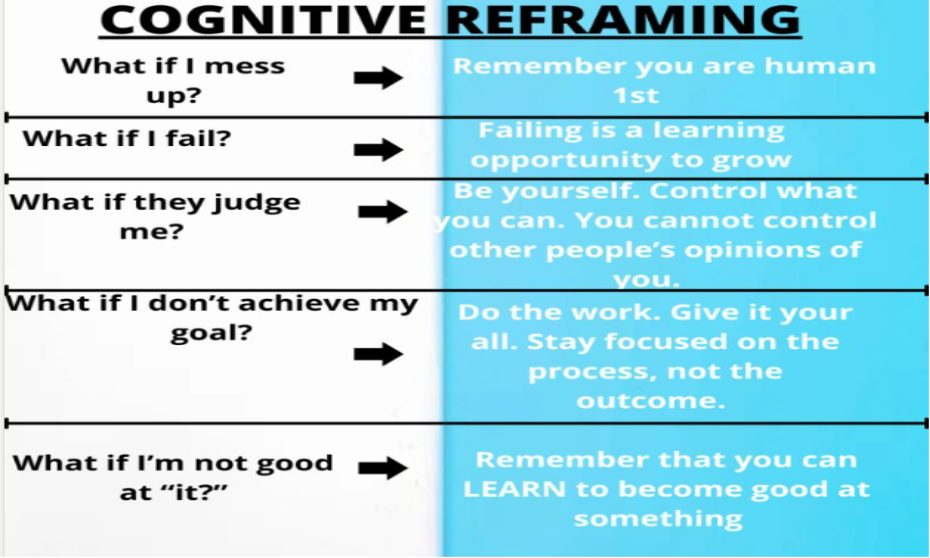
Emotional resilience requires cognitive flexibility. In high-expectation environments, distorted thinking patterns are common. Cognitive reframing challenges these patterns.
The Work Turnaround
Taking a second look at the thoughts your mind has created is what The Work of Byron Katie and 4 Questions is all about.
Ask yourself these four questions:
- Is it true?
- Can you absolutely know that it’s true?
- How do you react, what happens, when you believe that thought?
- Who would you be without that thought?
Turnarounds: Could the opposite be as true? (There may actually be several opposites, or turnarounds, to the original thought.)
In Indian contexts where social comparison and performance pressure are high, catastrophic thinking often amplifies stress.
For example, failing one competitive exam may lead to the thought, “My life is over.” Systematic questioning reduces emotional intensity and restores perspective.
Cognitive reframing does not deny reality. It expands interpretation.
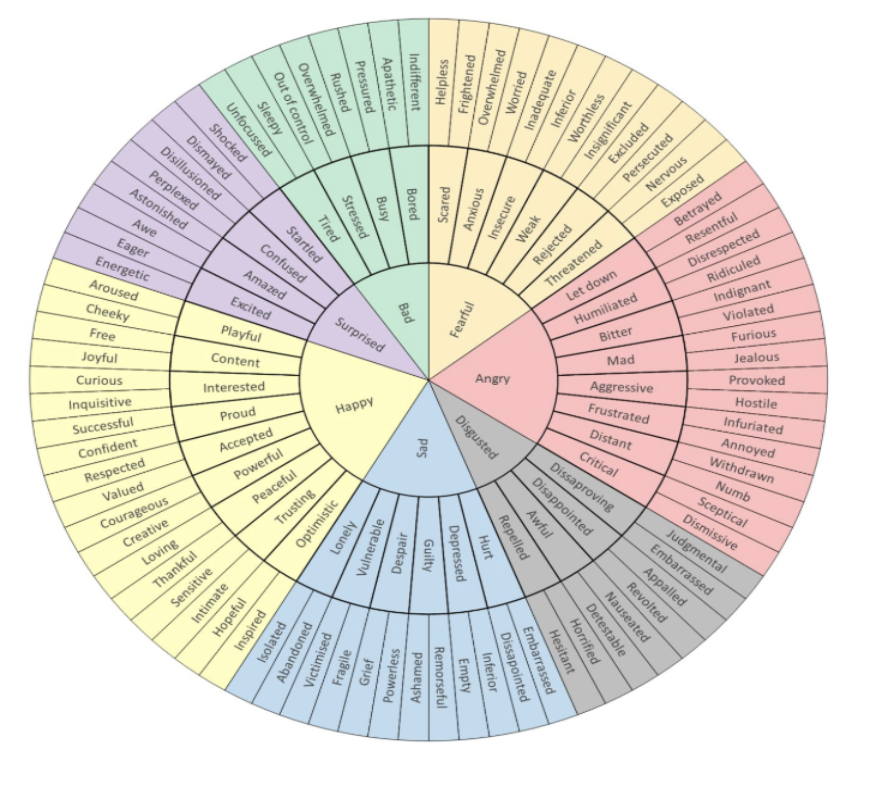
Labelling Emotions
Simply stating “I feel anxious” or “I feel ashamed” reduces amygdala activation. Neuroimaging studies confirm that affect labelling lowers emotional reactivity.
Many Indians grow up without explicit emotional vocabulary. Emotions are often categorised broadly as good or bad. Developing precise language enhances regulation.
Naming is regulating.
Response Versus Reaction Worksheet
This tool helps people become more aware of their own thoughts and reactions, and helps manage difficult situations more skillfully by learning about the difference between reacting and responding. Writing responses rather than thinking them strengthens neural consolidation and behavioural learning.
Reacting vs Responding Worksheet
💡Pro-Tip: Review this worksheet weekly. Patterns reveal triggers. Awareness allows preventive regulation rather than reactive repair.
Module 3: Daily Resilience Habits
Long-Term Emotional Strength
Emotional resilience develops over time, and is reinforced through microhabits that regulate the nervous system and reduce the risk of burnout.
Fifteen Minute Movement
Even a short walk regulates dopamine, serotonin, and endorphins. Sedentary urban lifestyles in India reduce the capacity for stress recovery. Consistent movement improves mood stability and sleep quality.
You do not need a gym membership. You need consistency.
Micro Journalling
Micro-journaling is a journaling practice that involves writing short, focused entries, usually just a few sentences or bullet points, that capture specific thoughts, emotions, experiences, or observations in real-time. The goal of micro-journaling is to provide a quick, easy way to document one's life and reflect on thoughts, emotions, and experiences.
Examples of three prompts daily:
What happened?
How did I feel?
What did I learn from this experience?

This prevents emotional accumulation. Unprocessed emotions do not disappear. They resurface as irritability or fatigue. Reflection builds psychological integration.
Gratitude Mapping
Write three things you are grateful for and why they occurred.
When you understand the “why,” the lesson is easier to remember and apply. Research in positive psychology shows that gratitude practices improve subjective wellbeing and increase resilience markers over time.
💡Pro-Tip: Include effort-based gratitude. Appreciate your own discipline, courage, or honesty. This strengthens self-trust, a key pillar of emotional resilience.
Module 4: Social and Environmental Connection
Relational Resilience
In India, emotional wellbeing is also deeply relational. Social environments either drain or reinforce resilience.
The Forgiveness Exercise
Write a letter expressing hurt and consciously releasing resentment. You need not send it.
Holding on to resentment can keep the body in a prolonged state of stress. Forgiveness does not justify behaviour. Rather, it is a way of releasing the internal weight of the experience. Letting go can gradually restore emotional energy and create space for healing.
The Unpaid Favour
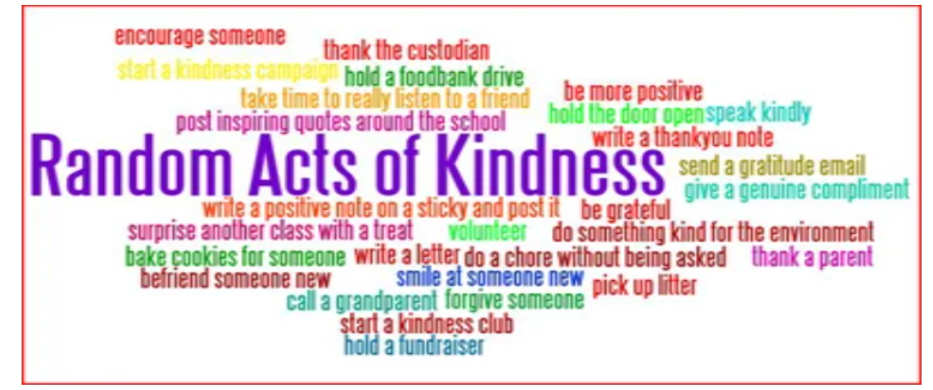
Perform an act of kindness with no expectation of return.
Altruism increases oxytocin and strengthens eudaimonic wellbeing. Contribution builds meaning. Meaning stabilises resilience. In collectivist cultures, helping others often restores perspective and emotional balance.
No Burnout Boundaries
Reflect on:
- Sleep quality
- Scheduled rest
- Alignment of commitments with values
- Ability to say no respectfully
Boundary setting in Indian families and workplaces requires sensitivity. However, resilience collapses without limits. Sustainable emotional wellbeing requires structured recovery.
Building It Out: Implementation Tips
Understanding emotional wellbeing is the first step. Strengthening emotional resilience requires structure, reflection, and access to support when needed. The following implementation tips make emotional regulation practical and measurable.
1. Quick Self-Inquiry Check (5-Minute Weekly Reflection)
Rate yourself from 1 to 5:
- I pause before reacting under stress.
- I recover emotionally within a day after setbacks.
- My daily routine supports my mental health.
- I feel aligned with my values.
- I feel socially supported.
If most answers are below 3, focus on recovery habits this week.
If most are 4 or above, maintain your current resilience practices.
Self-awareness is the foundation of emotional resilience.
2. Resource Directory
When Self-Help Is Not Enough
Emotional wellbeing practices are powerful, but professional support is essential when distress is persistent or overwhelming. Seeking help is an act of resilience.
Depending on your context, consider:
- Licensed clinical psychologists
- Psychiatrists for medication assessment if required
- Government tele-mental health platforms such as Tele-MANAS
- University counselling services
- Workplace Employee Assistance Programmes such as 1to1help
If symptoms such as persistent hopelessness, severe anxiety, panic attacks, or thoughts of self harm are present, seek immediate professional intervention.
Emotional resilience includes recognising when external support strengthens recovery.
3. Weekly Wellbeing Tracker
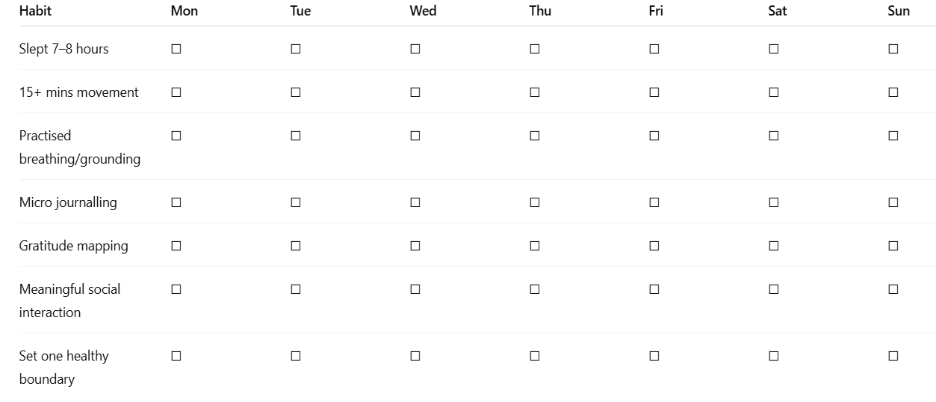
Behavioural science shows that self-monitoring increases adherence. When emotional regulation practices are tracked, resilience becomes measurable. Measurable habits are more likely to continue.
End of Week Reflection
- When did I feel most emotionally regulated?
- What triggered the most stress?
- How quickly did I recover from setbacks?
- Which habit had the biggest impact on my emotional wellbeing?
- What will I prioritise next week?
Final Reflection: Emotional Resilience as the Muscle of Emotional Wellbeing
Emotional resilience is the muscle of emotional wellbeing. Without it, stress overwhelms. With it, pressure becomes manageable.
The hedonic pillar builds emotional balance.
The evaluative pillar supports life satisfaction.
The eudaimonic pillar anchors meaning.
Resilience connects them all. It strengthens emotional regulation, protects mental clarity, and stabilises relationships.
In India’s high-pressure academic, professional, and relational environment, resilience must be built intentionally. Through daily habits, recovery, boundaries, and purpose, it becomes stronger over time.
Resilience is not fixed. It is trainable.
Strengthening Emotional Wellbeing at Work
Workplace stress is a major driver of emotional strain in India. Organisational support plays a critical role in strengthening resilience.
1to1help’s Employee Assistance Programme (EAP) provides confidential counselling and preventive mental health support for employees and their families. By supporting individual emotional wellbeing, organisations build collective resilience.
If you are looking to create a psychologically healthy workplace, integrating 1to1help’s EAP is a practical step toward sustainable emotional wellbeing.
References
- Burnalong. (n.d.). Emotional wellbeing toolkit. https://www.burnalong.com/emotional-wellbeing-toolkit/
- Cali & Caro. (n.d.). Microjournaling: A simple way to process your thoughts. https://www.caliandcaro.com/blog/microjournaling
- Cleveland Clinic. (n.d.). Amygdala. https://my.clevelandclinic.org/health/body/24894-amygdala
- Cleveland Clinic. (n.d.). Parasympathetic nervous system (PSNS). https://my.clevelandclinic.org/health/body/23266-parasympathetic-nervous-system-psns
- Cleveland Clinic. (n.d.). Prefrontal cortex. https://my.clevelandclinic.org/health/body/prefrontal-cortex
- Cleveland Clinic. (n.d.). Stress. https://my.clevelandclinic.org/health/diseases/11874-stress
- Community Mental Health and Legal Protection (CMHLP). (n.d.). Unpacking India’s District Mental Health Programme. https://cmhlp.org/imho/blog/unpacking-indias-district-mental-health-programme/
- Healthline. (n.d.). 17 proven tips to sleep better at night. https://www.healthline.com/nutrition/17-tips-to-sleep-better
- Indian Journal of Indian Psychology. (n.d.). Burnout and emotional regulation among medical students. https://ijip.in/articles/burnout-and-emotional-regulation-among-medical-students/
- Medical News Today. (n.d.). 4-7-8 breathing: How it works, benefits, and uses. https://www.medicalnewstoday.com/articles/324417
- Medical News Today. (n.d.). Cognitive reframing: What it is and how it works. https://www.medicalnewstoday.com/articles/320844
- Medanta. (n.d.). Early warning signs: Recognizing when mental health might be at risk. https://www.medanta.org/patient-education-blog/early-warning-signs-recognizing-when-mental-health-might-be-at-risk
- Mindful. (n.d.). Getting started with mindfulness. https://www.mindful.org/meditation/mindfulness-getting-started/
- Ministry of Health and Family Welfare, Government of India. (n.d.). Press release. https://www.mohfw.gov.in/?q=en/pressrelease-206
- National Institutes of Health. (n.d.). Emotional wellness toolkit. https://www.nih.gov/health-information/your-healthiest-self-wellness-toolkits/emotional-wellness-toolkit
- National Institutes of Health. (2014). Evaluative well-being. In Subjective well-being: Measuring happiness, suffering, and other dimensions of experience. National Academies Press. https://www.ncbi.nlm.nih.gov/books/NBK179225/
- PositivePsychology.com. (n.d.). Body-mind integration and attention training. https://positivepsychology.com/body-mind-integration-attention-training/
- PositivePsychology.com. (n.d.). Hedonic vs. eudaimonic wellbeing. https://positivepsychology.com/hedonic-vs-eudaimonic-wellbeing/
- Psychology Today. (n.d.). Happiness. https://www.psychologytoday.com/us/basics/happiness
- Psychology Today. (n.d.). Resilience. https://www.psychologytoday.com/us/basics/resilience
- Psychopedia. (n.d.). Eudaimonic and hedonic wellbeing. https://psychopedia.in/eudaimonic-and-hedonic-wellbeing/
- Reward Gateway. (n.d.). Wellness vs wellbeing. https://www.rewardgateway.com/blog/wellness-vs-wellbeing
- Schmalacker, C. (2025, March 14). Developing resilience through executive function skills. New Frontiers in Learning. Retrieved February 27, 2026, from https://nfil.net/executive-functions/developing-resilience-through-executive-function-skills/
- Tele-MANAS. (n.d.). Tele-MANAS mental health support. https://telemanas.mohfw.gov.in/home
- The Wellness Corner. (n.d.). Emotional wellbeing toolkit. https://www.thewellnesscorner.com/blog/emotional-wellbeing-toolkit
- The Work as Meditation. (n.d.). The Work of Byron Katie: The four questions. https://www.theworkasmeditation.com/the-work-of-byron-katie-4-questions/
- Verywell Mind. (n.d.). Body scan meditation: Why and how. https://www.verywellmind.com/body-scan-meditation-why-and-how-3144782
- Verywell Mind. (n.d.). Reframing defined. https://www.verywellmind.com/reframing-defined-2610419
- Verywell Mind. (n.d.). What is the fight-or-flight response? https://www.verywellmind.com/what-is-the-fight-or-flight-response-2795194
- WebMD. (n.d.). Fight, flight, freeze, fawn: What they mean. https://www.webmd.com/mental-health/what-does-fight-flight-freeze-fawn-mean
- World Health Organization. (2023). Mental health and well-being at the workplace. https://pmc.ncbi.nlm.nih.gov/articles/PMC10104995/


.svg)
.svg)
.svg)
.svg)