

.png)


.png)

Mental Health Concerns
15 Must Try Stress Relief Activities To Help You Relax

.png)
Written by
Aarohi Parakh,
Psychologist and Content Writer

Reviewed by
Sanjana Sivaram,
Psychologist and Clinical Content Head


Introduction
Stress has become a common phenomenon in everyday life. Constant digital notifications, family responsibilities, long working hours, financial pressure, and the fast pace of modern living can leave many people feeling overwhelmed, tense, and mentally exhausted. While stress in small doses can be helpful (eustress), chronic stress can take a serious toll on both mental and physical health.
Finding ways to alleviate stress is thus considered essential for our daily routines. Stress relief also does not require drastic lifestyle changes or expensive methods. Simple, consistent activities can help calm the mind, relax the body, and restore a sense of balance. The key is finding what genuinely works for each individual.
This guide explores 15 stress relief activities that support relaxation, emotional regulation, and overall mental well-being. These techniques range from quick methods that offer immediate relief to longer-term habits that build resilience to stress.
The Science of De-Stressing
Stress is often perceived as a purely emotional experience; however, it is deeply rooted in the body’s biology, i.e., our nervous system. Learning how the body reacts to stress is the first step towards managing it more effectively.
Understanding the Stress Response
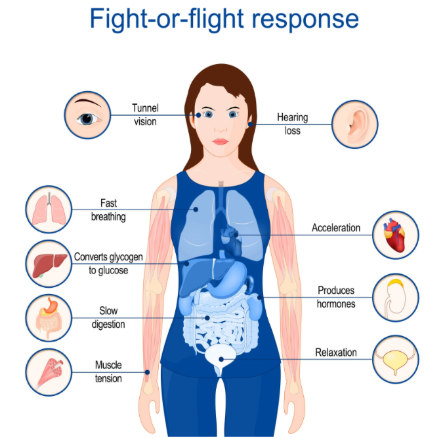
Have you ever noticed that during a stressful incident (such as an important work presentation, conflict with your child or handling their tantrum, or that long-pending career conversation with your manager), your heart starts racing, your muscles get tensed, you start sweating or your breathing quickens? These are signs that your mind is on high alert. When a person perceives a threat or pressure, the body activates what is commonly known as the “fight or flight” response. This response is controlled by the sympathetic nervous system and leads to the release of stress hormones such as cortisol and adrenaline.
While this response is useful in emergencies, it becomes dysfunctional when triggered repeatedly by everyday stressors such as deadlines, traffic, or social pressures. Over time, elevated cortisol levels can contribute to anxiety, sleep problems, digestive issues, weakened immunity, and emotional burnout.

The Relaxation Response
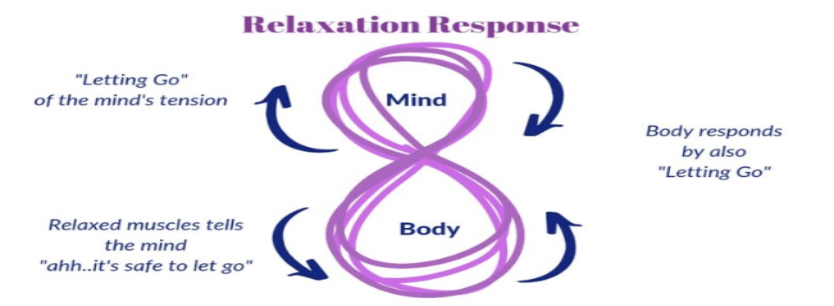
The relaxation response is the physiological opposite of the stress response. It is governed by the parasympathetic nervous system and signals the body that it is safe to slow down. Heart rate decreases, breathing deepens, muscles relax, and mental clarity improves.
Certain stress relief activities actively encourage this response. When practised regularly, they help retrain the nervous system to return to a calmer state more easily.
Finding the Right Stress Relief Fit
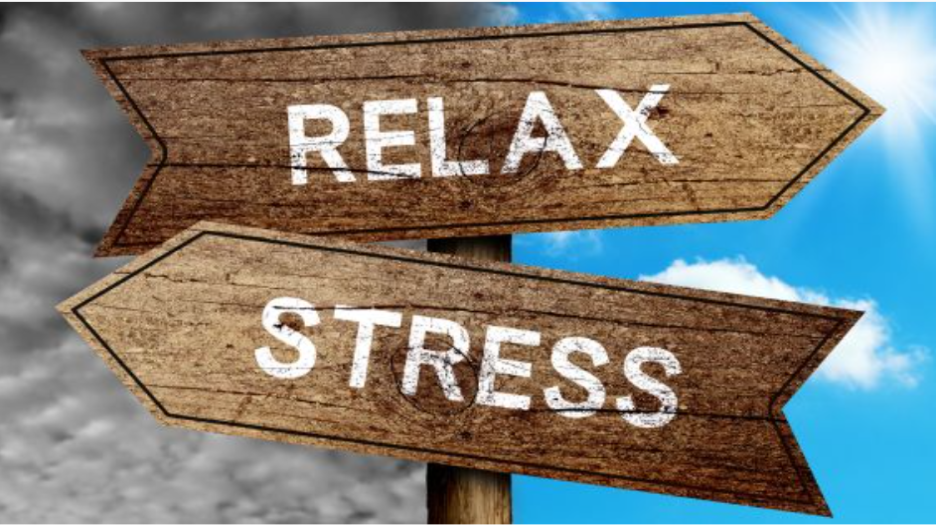
The approach to stress relief is not one-size-fits-all. What relaxes one person may irritate or agitate another. For example, some individuals feel calm in silence, while others find comfort in movement or music. The goal is not to replicate what works for someone else, but to experiment and discover a personal stress-relief routine that feels natural, sustainable, and sans pressure.
15 Must Try Stress Relief Activities
Different moments of stress call for different kinds of support. Sometimes relief is needed within minutes, while at other times the body and mind benefit from deeper, ongoing practices. The stress relief activities below are grouped into different categories, ranging from quick techniques for immediate calm to physical movement, creative outlets, social connection, and long-term resilience-building habits. Readers are encouraged to move through the sections in any order and choose what feels manageable and supportive.
Immediate Relief: The Under 5 Minutes Toolkit
1. Controlled Breathing Techniques
Breathing patterns have a direct impact on the nervous system. Slow, intentional breathing helps reduce cortisol levels and signals the body to relax.
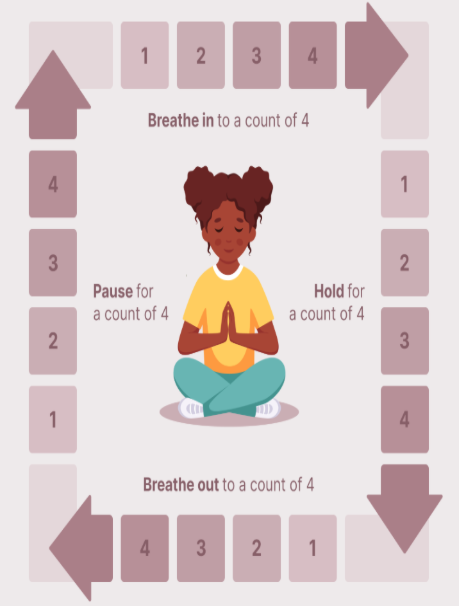
Box breathing involves inhaling for four seconds, holding for four seconds, exhaling for four seconds, and holding again for four seconds. Repeating this cycle for a few minutes can quickly reduce feelings of panic or overwhelm.
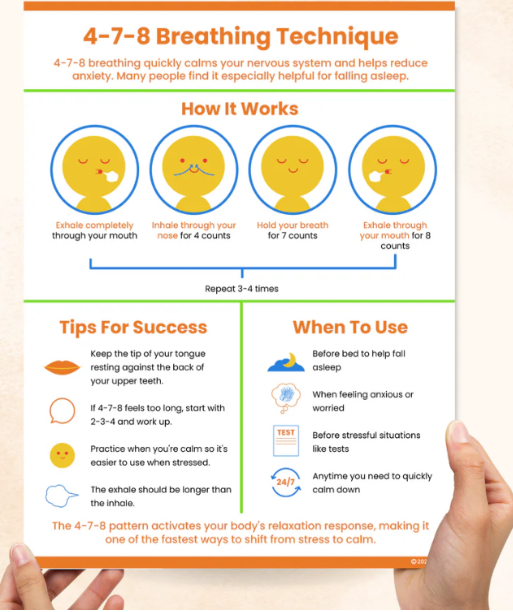
4-7-8 breathing involves inhaling for four seconds, holding for seven seconds, and exhaling for eight seconds. This technique is particularly helpful before sleep.
💡Pro-tip: Setting a reminder on a phone to practise breathing once or twice a day can help make it a habit rather than a mere crisis response.
2. Grounding Techniques Using the Senses
Grounding techniques are exercises that may help individuals refocus on the present moment and away from racing thoughts and anxiety.
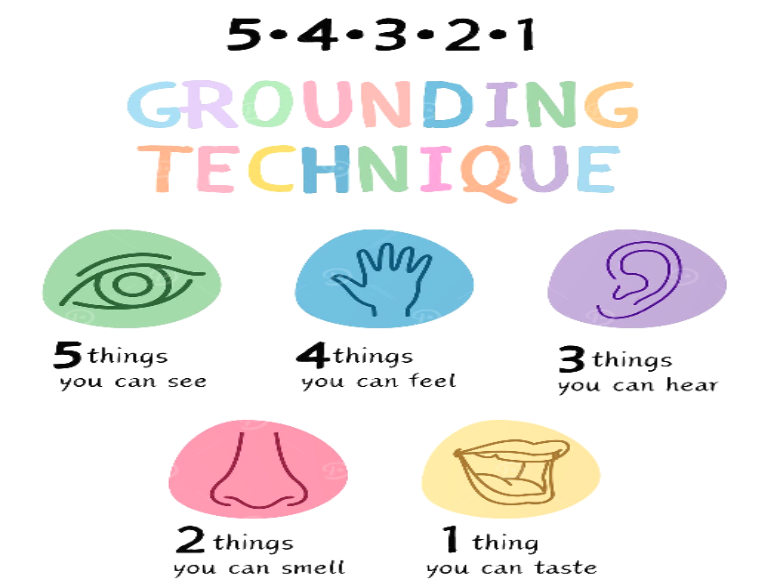
The 5-4-3-2-1 method, a common grounding technique, encourages individuals to name five things they can see, four they can feel, three they can hear, two they can smell, and one they can taste. This simple practice can reduce anxiety and emotional overload within minutes.
💡Pro-tip: Keeping a small grounding card in a wallet or bag can act as a reminder during stressful moments.
3. Progressive Muscle Relaxation (PMR)
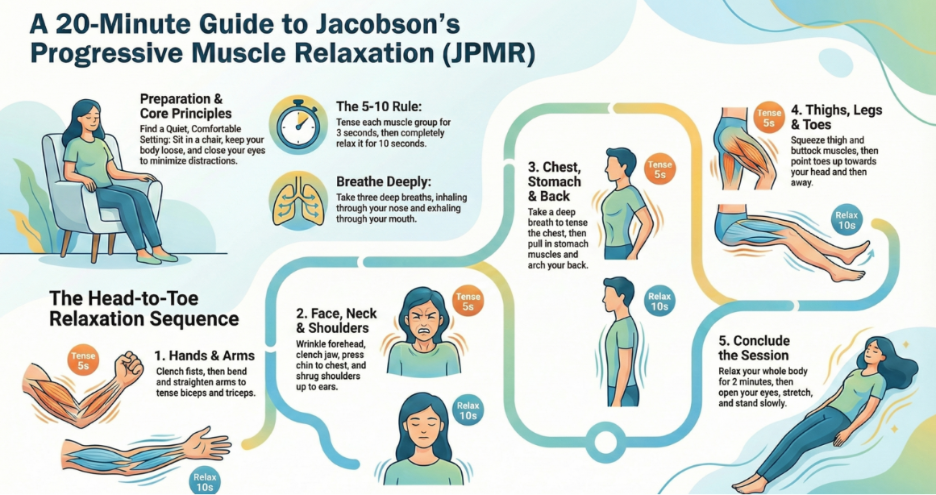
American physician Edmund Jacobson created PMR in the 1920s. It was based on the theory that physical relaxation can promote mental relaxation. PMR involves tensing and slowly releasing different muscle groups in the body. This practice helps release physical tension that often builds up unconsciously during stress.
Starting from the toes and moving upward, each muscle group is tensed for a few seconds and then relaxed. The contrast signals help the body recognise and let go of tension.
💡Pro-tip: PMR can be particularly helpful before bedtime or after long hours of sitting.
4. Mini Meditation Moments
Meditation does not always have to involve long sessions or perfect silence. A mini meditation can be as simple as focusing on a single word, sound, or breath for one minute. It usually involves 1–5-minute mindfulness sessions designed to reduce stress and improve focus anywhere, such as at a desk or in a car.
Repeating a calming word, such as “calm” or “safe”, can help interrupt anxious thought patterns and create mental space.
💡Pro-tip: Even one mindful minute is better than none. Consistency matters more than duration.
Physical Activities: Moving the Stress Out
Stress is not only experienced mentally and emotionally. It is stored in the body. Physical movement helps release this built-up tension.
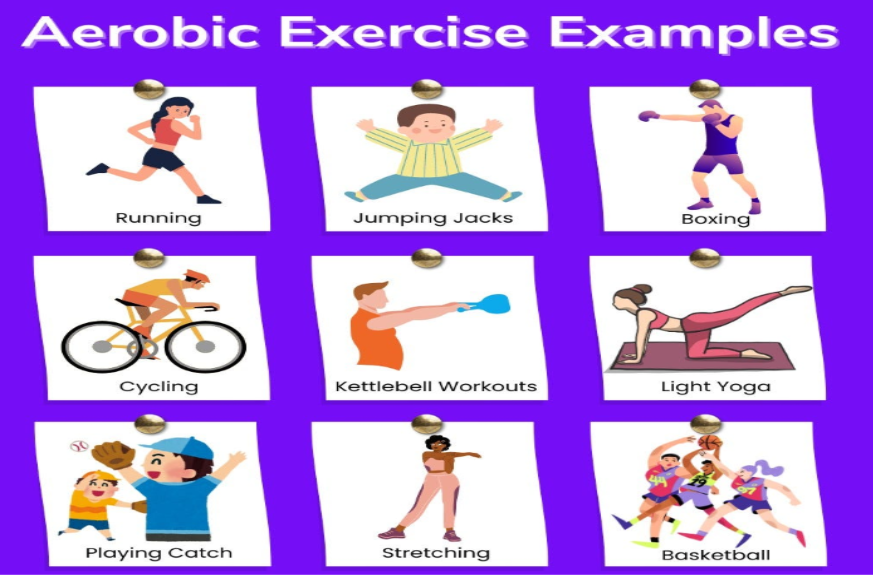
5. Aerobic Exercise
Activities such as walking, jogging, swimming, or cycling increase the release of endorphins, which the body produces to help relieve pain, reduce stress, and improve mood. At the same time, exercise can lower cortisol levels, a stress hormone, and encourage the production of neurotransmitters such as serotonin and dopamine, which are closely linked to happiness and relaxation. Regular aerobic exercise has been shown to reduce symptoms of anxiety and depression.
A brisk 20-minute walk can significantly improve mood and mental clarity. A good rule of thumb is to walk for about 30-45 minutes, either at once or in 10-minute intervals.
💡Pro-tip: Pair walking with listening to calming music or a favourite podcast to make it more enjoyable.
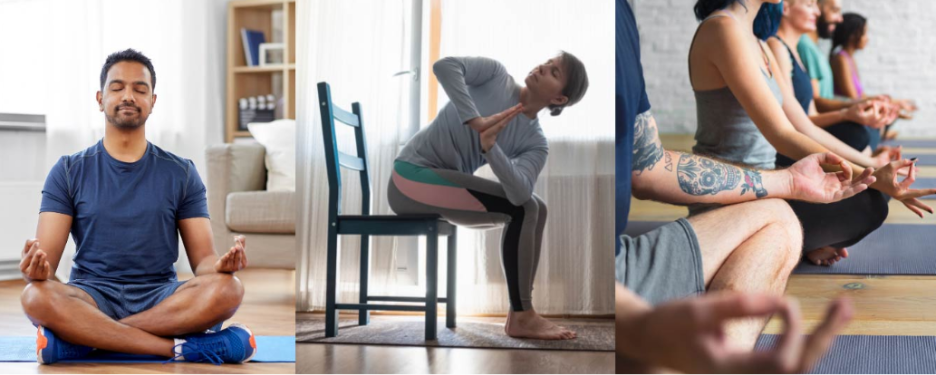
6. Yoga and Tai Chi
Yoga and Tai Chi combine gentle movement, breath awareness, and mindfulness. These practices promote flexibility, balance, and nervous system regulation.
They are particularly helpful for individuals who find still meditation difficult, as they offer a form of meditation in motion.
Regular yoga practice can help build resilience to stressors and enhance one’s overall sense of calm. Sometimes it may be challenging to attend in-person yoga sessions or classes, in which case opting for online classes or groups can help individuals experience the benefits of yoga from the comfort of their home.
💡Pro-tip: Beginner-friendly videos, online classes, or local community classes can help build confidence.
7. The Power of Nature
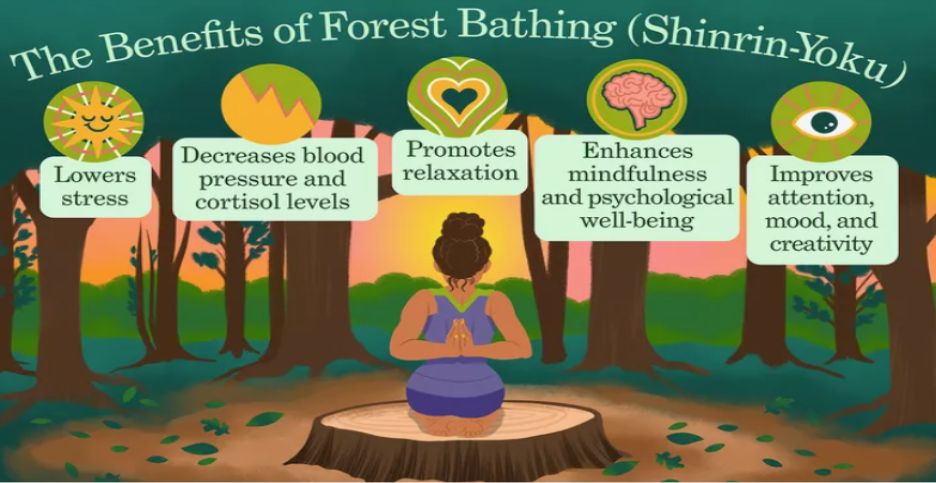
Exposure to natural environments has been linked to lower heart rate, reduced cortisol levels, and improved mood.
Forest bathing, or shinrin-yoku in Japanese, which involves mindfully spending time among trees, or simply sitting in a park, can help calm the nervous system. A hike in the woods, watching the sunset, standing barefoot on grass or mud, or simply sitting in a garden and connecting with nature, can help reduce stress and promote relaxation. Mindfulness can also be incorporated into this activity by focussing on one’s senses while in nature. Observing things that one can see, smell, hear, or touch can bring about changes in both physical and mental state.
💡Pro-tip: Even five minutes of looking at greenery from a window can have a soothing effect.
Creative and Sensory Outlets: Engaging the Right Brain
Creative and sensory outlets activate parts of the brain (right brain) linked to imagination, emotion, and regulation. Engaging the senses or creating something simple can help quiet mental noise and bring the mind into the present moment. Creative activities allow emotional expression without the pressure of words.
8. Art-Based Stress Relief
Engaging in creative activities such as colouring, painting, drawing, crafting, or playing a musical instrument can be therapeutic. It encourages a flow state in which the mind is fully absorbed in the task. This flow state helps quiet mental chatter and provides emotional release. Creating something can also serve as a form of self-expression and stress relief, allowing one to stay in the moment and focus on what they are doing.

💡Pro-tip: Artistic skill is not a prerequisite. The focus should be on expression, not perfection.
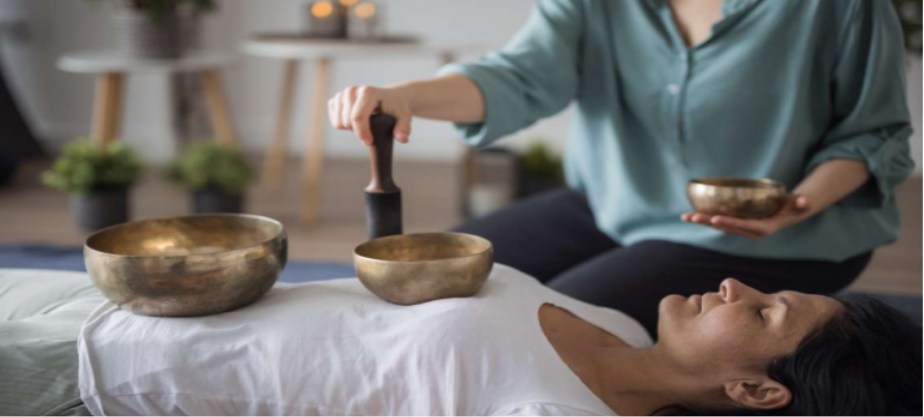
9. Music and Sound Therapy
Music directly affects mood, energy levels, and emotional regulation, making it a useful stress-relief activity. Research shows that listening to music can lower cortisol levels and activate areas of the brain linked to relaxation and emotional processing. This helps the nervous system shift out of a stress response more easily.
Different sounds support relaxation in different ways. Upbeat music can release tension and improve mood, while slower rhythms can encourage calm breathing and mental slowing. Sound-based practices such as binaural beats, white noise, and nature sounds have also been shown to support relaxation and sleep by reducing mental overstimulation and creating a sense of safety.
💡Pro-tip: Creating different playlists for different moods can be a helpful emotional regulation tool.
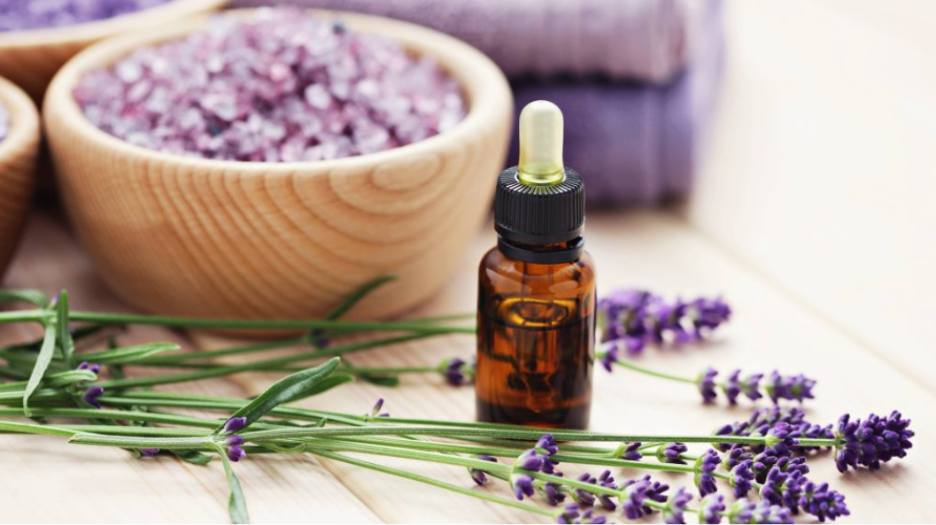
10. Aromatherapy
Aromatherapy supports stress relief by influencing the limbic system, the brain region linked to emotion, memory, and mood regulation. Research suggests that certain scents can help reduce stress and promote relaxation by lowering heart rate and encouraging a calmer nervous system response. Lavender, bergamot, and chamomile are among the most commonly studied scents for their calming effects.
Aromatherapy can be used in simple ways, such as diffusers, candles, or inhaling essential oils from a tissue. These practices are often used to support relaxation, emotional balance, and better sleep, especially during periods of ongoing stress. However, it should be noted that it is not a substitute for medications.
💡Pro-tip: Essential oils should always be used responsibly. They should be diluted before skin contact and avoided if there are known sensitivities or medical concerns.
11. Journaling
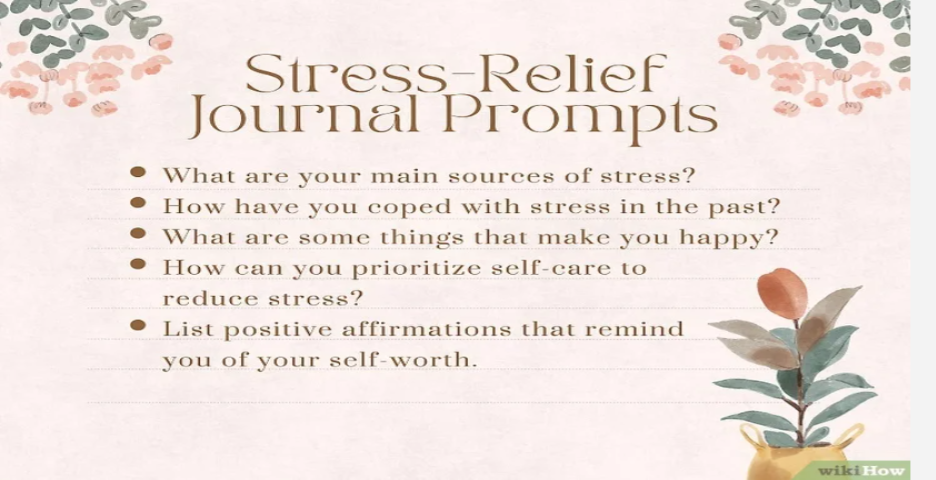
Journaling helps reduce stress by allowing thoughts and worries to be externalised rather than held in the mind. Research shows that expressive writing can lower emotional distress and improve mental clarity by creating psychological distance from stressful thoughts. Over time, journaling can also help identify patterns in emotions and stress triggers.
A simple brain dump at the end of the day can be especially helpful for easing mental overload and supporting better sleep. Writing without structure or judgement allows the mind to settle and feel less overwhelmed.
💡Prompt idea: What is taking up the most space in my mind today?
Social and Passive Relief: Connection and Rest
Stress often feels heavier when faced alone. During stressful times, slowing down and feeling connected can be just as important as active coping strategies. It plays an essential role in helping the body and mind reset.
12. Meaningful Social Connection
Meaningful social connections play an important role in relieving stress and promoting emotional well-being. Research shows that positive social interactions trigger the release of oxytocin, a hormone linked to bonding and reduced stress responses. This helps the nervous system feel safer and more regulated.
Even brief but genuine interactions can have a calming effect, whether it is a conversation with a friend, a supportive message, or time spent with a pet.

💡Pro-tip: When it comes to social connection, quality matters more than quantity.
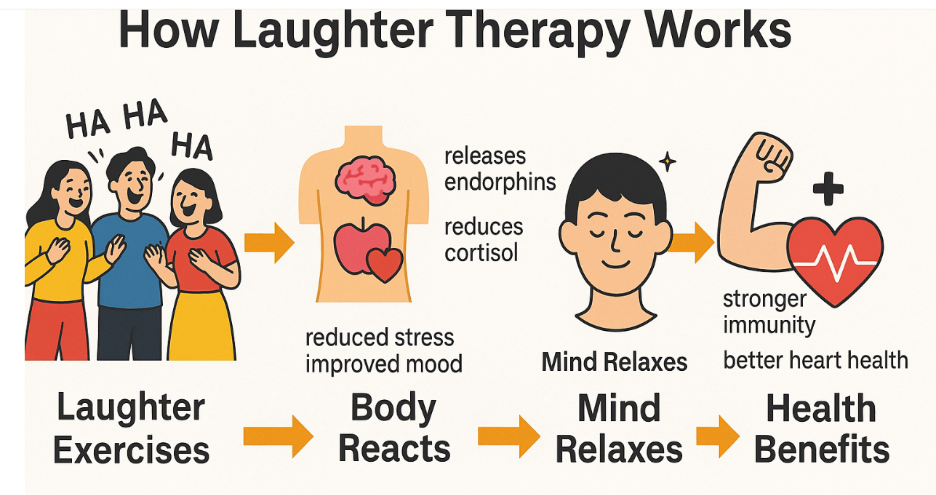
13. Laughter Therapy
Laughter supports stress relief by creating a natural release of physical and emotional tension. Research suggests that laughter temporarily increases heart rate and oxygen intake before the body relaxes, helping reduce muscle tension and lower stress levels.
Sharing a joke, watching a comedy clip, or laughing with others can offer quick relief during stressful moments and improve overall mood.
💡Pro-tip: Tip: Keeping a few favourite funny videos saved can be a simple and effective coping tool on difficult days.
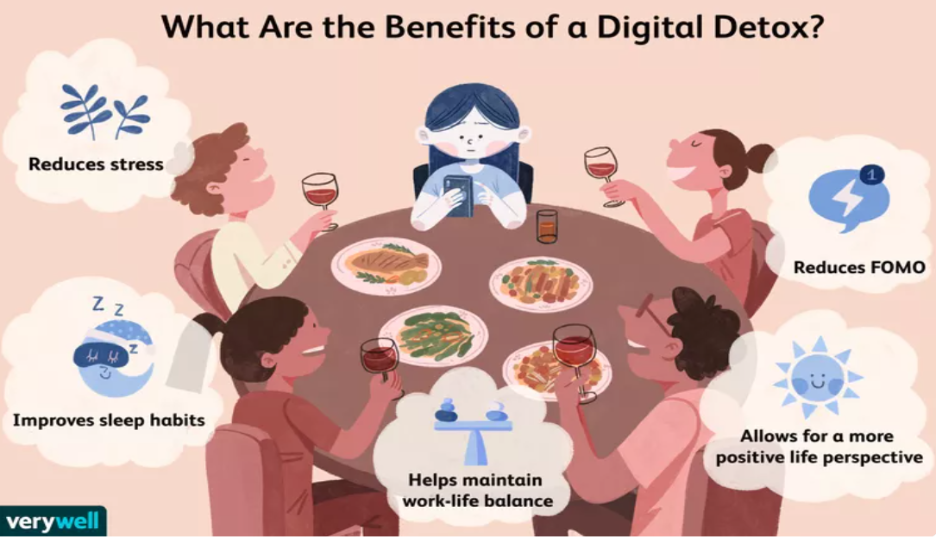
14. Digital Detox
Constant screen exposure and notifications can keep the nervous system in a state of alertness, making it harder to relax and unwind. Studies show that reducing screen time, especially in the evening, improves sleep quality and reduces mental overstimulation.
Limiting blue light exposure before bedtime helps regulate the body’s natural sleep cycle and encourages deeper rest.
💡Pro-tip: Setting a screen-free hour before bed can make a noticeable difference to sleep and overall stress levels.
15. Practising Gratitude
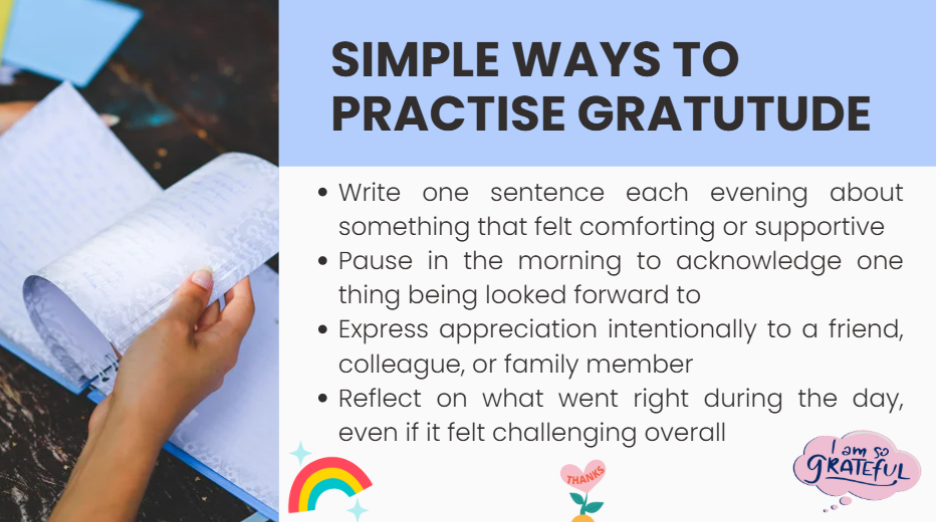
Practising gratitude is a gentle yet effective stress relief activity that supports emotional balance and mental well-being. Under stress, the mind naturally focuses on problems and perceived threats. Gratitude helps shift attention towards what feels supportive or steady, which can reduce mental overload and emotional tension.
Research suggests that regular gratitude practices can lower stress levels and improve mood by activating brain areas linked to reward, connection, and emotional regulation. This shift supports a calmer nervous system response and helps build resilience over time.
Gratitude can be practised in simple ways, such as noting one or two positive moments during the day or expressing appreciation to someone else. These moments do not need to be significant. Small experiences, such as a kind interaction, a moment of rest, or something that went as planned, can be enough.
💡Pro-tip: Write down 3–5 specific, new things you are grateful for daily (e.g., "the way my coffee tasted" rather than "my coffee")
Building a Stress Resilience Routine
Long-term stress management is less about doing everything perfectly and more about consistency over time. A stress-resilience routine focuses on everyday habits that support the nervous system, making it easier to cope with pressure as it arises. Rather than relying only on quick fixes, these practices help create a stable foundation for mental and emotional well-being.
Sleep Hygiene as a Foundation
Sleep plays a vital role in emotional regulation, concentration, and stress tolerance. When sleep is irregular or insufficient, the body becomes more reactive to stress, and small challenges can feel overwhelming. Poor sleep can also increase irritability, anxiety, and difficulty managing emotions.
- Maintaining a consistent bedtime and wake-up time helps regulate the body’s internal clock.
- Reducing caffeine intake later in the day, limiting screen use before bed, and creating a calming nighttime routine can support better sleep quality.
- Simple habits such as dimming lights, reading, or listening to soothing music can signal to the body that it is time to rest.
Nutritional Support for Stress Management
Nutrition plays an often-overlooked role in stress regulation. Diets high in sugar and caffeine can lead to energy fluctuations, increased anxiety, and irritability. In contrast, balanced meals that include protein, complex carbohydrates, and healthy fats help stabilise blood sugar levels and support consistent energy throughout the day.
Hydration also influences cognitive function, focus, and emotional balance. Even mild dehydration can contribute to fatigue and low mood. Regular meals and adequate fluid intake provide the body with the resources it needs to respond more calmly to stress.
The Power of Micro Habits
Small, consistent habits are more effective for stress management than occasional intense efforts. Short daily practices such as ten minutes of mindfulness, stretching, breathing exercises, or journaling can gradually strengthen emotional regulation and resilience.
Micro habits are easier to maintain and less likely to feel overwhelming. Over time, these small actions create a sense of routine and predictability, which helps the nervous system feel safer and more settled.
💡Pro-tip: Starting with one manageable activity and building slowly increases the likelihood of long-term consistency.
Final Thoughts: Making Stress Relief a Part of Daily Life
Stress relief is not about eliminating stress entirely, but about developing effective stress-management strategies that support long-term mental health and well-being. Practising stress relief activities such as relaxation techniques, mindfulness, movement, and emotional regulation can help reduce daily stress and improve overall balance. However, when stress becomes ongoing, overwhelming, or begins to impact work performance, relationships, or physical health, professional support can play an important role.
Through 1to1help, individuals can access confidential 1:1 counselling for stress management as part of an Employee Assistance Programme (EAP). With specialist access and integrated health services, EAP support helps address stress, anxiety, burnout, and emotional concerns in a structured and confidential manner. Combining self-guided stress relief techniques with professional mental health counselling can support resilience, emotional well-being, and sustainable stress management over time.
Additional Resources
- Comparison Table of Activity Types to Get You Started
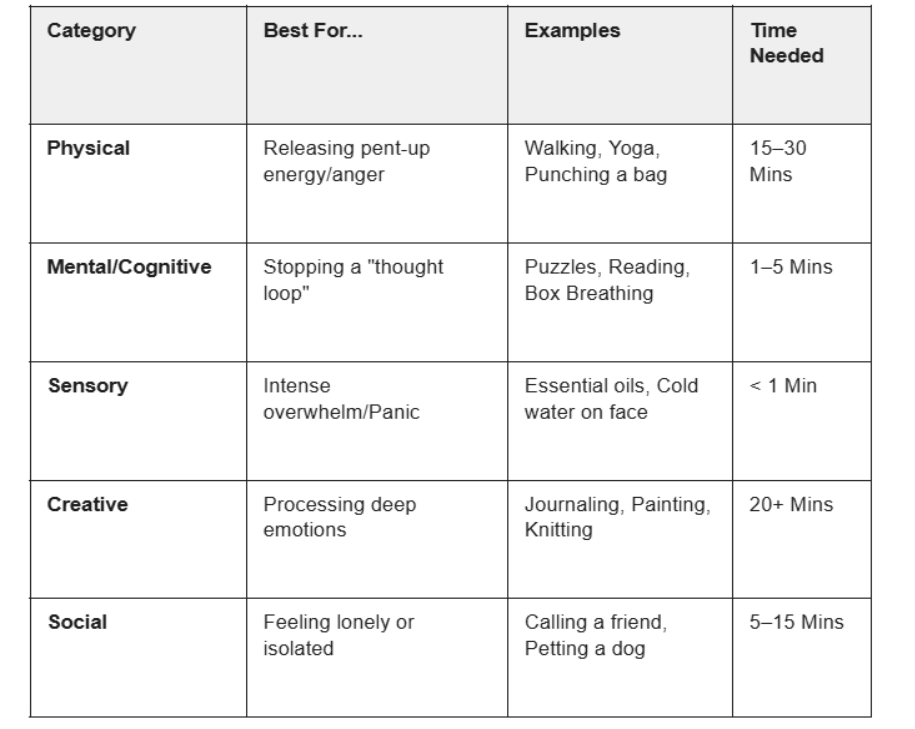
- Activity Sheet: How to Best Manage Your Stress
- A 7-Day "Relaxation Challenge" Checklist
- Check here
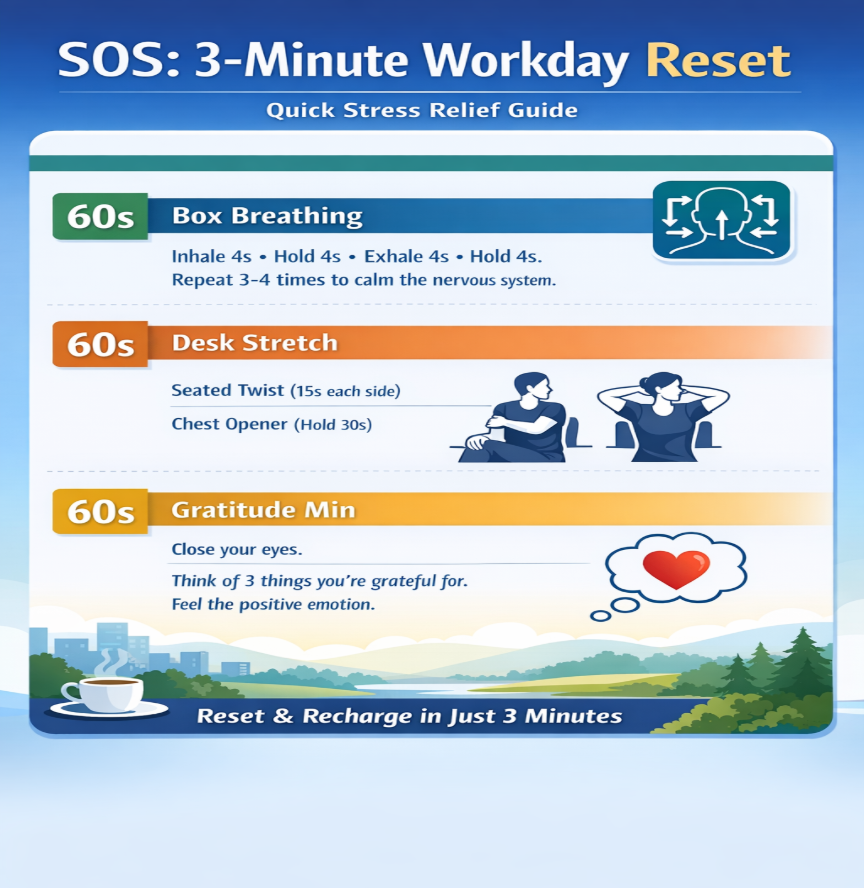
- he "SOS" Desktop Card
References
- American Psychological Association. (2008, October). The relaxation response. https://www.apa.org/monitor/2008/10/relaxation
- American Psychological Association. (n.d.). Speaking of psychology: Expressive writing. https://www.apa.org/news/podcasts/speaking-of-psychology/expressive-writing
- Assay Genie. (n.d.). Cortisol and the immune response. https://www.assaygenie.com/blog/cortisol-and-the-immune-response
- Calm. (n.d.). 5-4-3-2-1: A simple exercise to calm the mind. https://www.calm.com/blog/5-4-3-2-1-a-simple-exercise-to-calm-the-mind
- Calmerry. (n.d.). Teaching your kids square breathing while having fun. https://calmerry.com/blog/parenting/teaching-your-kids-square-breathing-while-having-fun/
- Caribbean Public Health Group. (n.d.). Exercise and mental health: How movement transforms your mind. https://caribgp.org/exercise-and-mental-health-how-movement-transforms-your-mind/
- Cleveland Clinic. (n.d.). Adrenaline. https://my.clevelandclinic.org/health/body/23038-adrenaline
- Cleveland Clinic. (n.d.). Cortisol. https://my.clevelandclinic.org/health/articles/22187-cortisol
- Cleveland Clinic. (n.d.). Endorphins. https://my.clevelandclinic.org/health/body/23040-endorphins
- Cleveland Clinic. (n.d.). Nervous system. https://my.clevelandclinic.org/health/body/21202-nervous-system
- Cleveland Clinic. (n.d.). Oxytocin. https://my.clevelandclinic.org/health/articles/22618-oxytocin
- Cleveland Clinic. (n.d.). Panic attacks and panic disorder. https://my.clevelandclinic.org/health/diseases/4451-panic-attack-panic-disorder
- Cleveland Clinic. (n.d.). Parasympathetic nervous system (PSNS). https://my.clevelandclinic.org/health/body/23266-parasympathetic-nervous-system-psns
- Cleveland Clinic. (n.d.). Sleep disorders. https://my.clevelandclinic.org/health/diseases/11429-sleep-disorders
- Cleveland Clinic. (n.d.). Stress. https://my.clevelandclinic.org/health/diseases/11874-stress
- Cleveland Clinic. (n.d.). Sympathetic nervous system (SNS): Fight or flight. https://my.clevelandclinic.org/health/body/23262-sympathetic-nervous-system-sns-fight-or-flight
- Cleveland Clinic Health Essentials. (n.d.). 4-7-8 breathing. https://health.clevelandclinic.org/4-7-8-breathing
- Cleveland Clinic Health Essentials. (n.d.). Forest therapy. https://health.clevelandclinic.org/why-forest-therapy-can-be-good-for-your-body-and-mind
- Cleveland Clinic Health Essentials. (n.d.). Aromatherapy and stress relief. https://health.clevelandclinic.org/stressed-out-aromatherapy-can-help-you-to-feel-calmer
- Doral Health & Wellness. (n.d.). Digital insomnia: How screen time affects sleep. https://doralhw.org/digital-insomnia-screen-time-affects-sleep/
- Freedom. (n.d.). Micro habits: Small steps for big change. https://freedom.to/blog/micro-habits/
- Harvard Health Publishing. (n.d.). Dopamine: The pathway to pleasure. https://www.health.harvard.edu/mind-and-mood/dopamine-the-pathway-to-pleasure
- Harvard Health Publishing. (n.d.). Serotonin: The natural mood booster. https://www.health.harvard.edu/mind-and-mood/serotonin-the-natural-mood-booster
- Harvard Health Publishing. (n.d.). The health benefits of tai chi. https://www.health.harvard.edu/staying-healthy/the-health-benefits-of-tai-chi
- Harvard Health Publishing. (n.d.). Understanding the stress response. https://www.health.harvard.edu/staying-healthy/understanding-the-stress-response
- Headspace. (n.d.). One-minute meditation. https://www.headspace.com/meditation/one-minute-meditation
- Headspace. (n.d.). The flow state. https://www.headspace.com/articles/flow-state
- Healthline. (n.d.). Grounding techniques. https://www.healthline.com/health/grounding-techniques
- Healthline. (n.d.). Progressive muscle relaxation. https://www.healthline.com/health/progressive-muscle-relaxation
- LAM Clinic. (n.d.). Cortisol and the digestive system. https://lamclinic.com/blog/cortisol-and-the-digestive-system/
- Mayo Clinic. (n.d.). Stress relief. https://www.mayoclinic.org/healthy-lifestyle/stress-management/in-depth/stress-relief/art-20044456
- Mayo Clinic. (n.d.). Depression and exercise. https://www.mayoclinic.org/diseases-conditions/depression/in-depth/depression-and-exercise/art-20046495
- Medical News Today. (n.d.). Benefits of yoga. https://www.medicalnewstoday.com/articles/286745
- Mindful. (n.d.). What is mindfulness? https://www.mindful.org/what-is-mindfulness/
- Positive Psychology. (n.d.). The neuroscience of gratitude. https://positivepsychology.com/neuroscience-of-gratitude/
- Verywell Mind. (n.d.). Eustress. https://www.verywellmind.com/what-you-need-to-know-about-eustress-3145109
- Verywell Mind. (n.d.). Fight or flight response. https://www.verywellmind.com/what-is-the-fight-or-flight-response-2795194
- Verywell Mind. (n.d.). Journaling for stress management. https://www.verywellmind.com/the-benefits-of-journaling-for-stress-management-3144611
- Verywell Mind. (n.d.). Left brain vs right brain. https://www.verywellmind.com/left-brain-vs-right-brain-2795005
- Verywell Mind. (n.d.). Sound healing for self-care. https://www.verywellmind.com/sound-healing-for-self-care-8384146
- WebMD. (n.d.). Binaural beats. https://www.webmd.com/balance/what-are-binaural-beats
- WebMD. (n.d.). Mental benefits of walking. https://www.webmd.com/fitness-exercise/mental-benefits-of-walking
- WebMD. (n.d.). Diet for stress management. https://www.webmd.com/diet/ss/slideshow-diet-for-stress-management


.svg)
.svg)
.svg)
.svg)