

.png)


.png)

Mental Health Concerns
Stress Buster Meaning: Easy Ways to Boost Mental Health and Manage Stress
.png)
Written by
Aarohi Parakh,
Psychologist and Content Writer

Reviewed by
Sanjana Sivaram,
Psychologist and Clinical Content Head


Introduction
Do you feel like your stress levels are unmanageable, and it never really gives you a pause, no matter how hard you try? The bad news? Chronic stress has quietly become one of the most common health challenges of modern life. The good news, you may ask? You are not alone in this.
From constant notifications and work pressures to family responsibilities and financial worries, many people feel overwhelmed before the day has even begun. While stress is a natural response to challenges, unmanaged stress can gradually affect both mental and physical health.
According to research by the Journal of Management Research and Analysis, stress in limited quantities (i.e. eustress) is beneficial to organizations and employees alike. It helps to achieve the personal as well as professional goals of the organization. But stress in excess quantity can cause harmful effects on the body, mind, and psychology of employees.
This is where stress busters play an essential role. Instead of eliminating stress entirely, which is often unrealistic, stress busters help individuals cope better, recover faster, and build emotional resilience.
This article explains the stress buster meaning, explores 10 proven stress relief methods, and shows how practical stress management techniques can be applied to everyday life. With small, consistent steps, it is possible to protect mental health and feel more in control, even during demanding times.
What Is The Meaning of a Stress Buster?
In our fast-paced, modern world, stress busters seem like a common term, but what does it mean? At its core, a stress buster is any technique, activity, or strategy that helps individuals alleviate and manage the negative effects of stress on their physical and mental well-being. In simple terms, a stress buster helps the mind and body calm down after stress has been triggered.
Most importantly, a stress buster is not about avoiding stress altogether. Stress cannot always be prevented; deadlines, responsibilities, and unexpected challenges are part of life. Instead, stress busters focus on coping, regulating emotions, and restoring balance.
Stress busters work by:
- Calming the nervous system
- Reducing mental overload
- Improving emotional regulation
- Supporting overall mental health
Stress busters can be physical (such as walking, yoga, or stretching), mental (such as mindfulness or deep breathing), emotional (such as talking to someone), or environmental (such as creating a calmer living space). What matters most is consistency and suitability; an effective stress buster is one that fits easily into daily life.
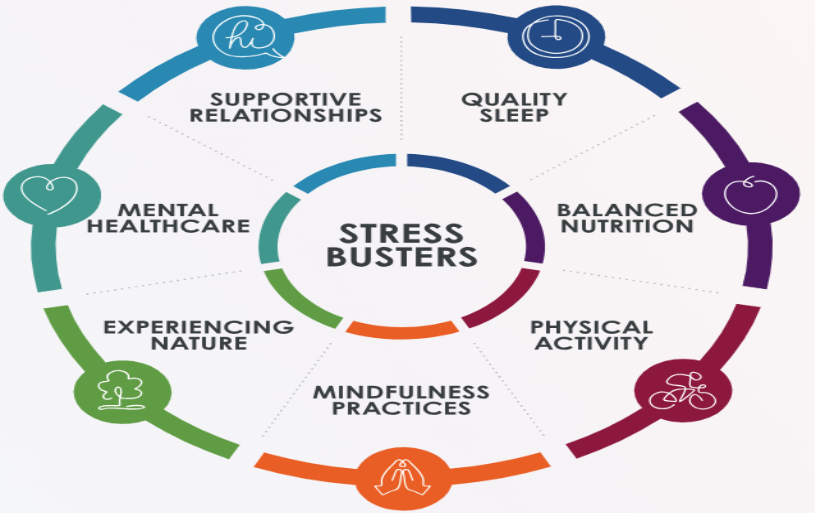
Top 10 Proven Ways for Effective Stress Relief
When stress builds up, simple and practical stress management techniques can make a noticeable difference. The following stress busters are evidence-based, easy to implement, and suitable for everyday use.
Physical and Lifestyle Stress Busters
1. Regular Physical Activity
Physical movement is one of the most effective stress busters. Exercise releases endorphins, which are natural mood-boosting chemicals that reduce stress hormones like cortisol.
Activities do not need to be intense. Gentle options such as walking, yoga, stretching, or cycling can be just as beneficial.
💡Pro-Tip: Start with just 10 minutes a day. A short walk after meals or light stretching before bed can significantly reduce stress levels over time.
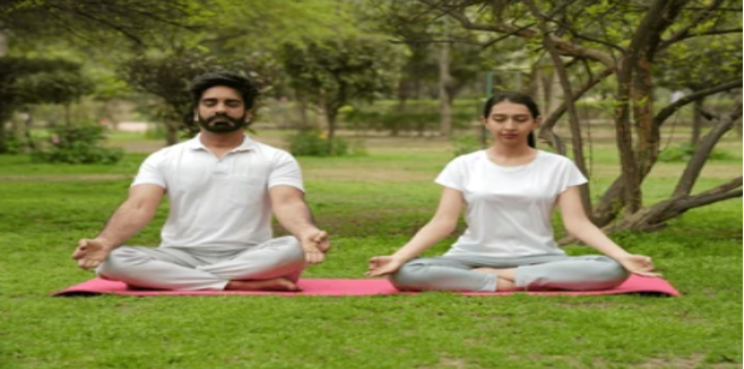
2. Deep Breathing Exercises
Deep breathing is a powerful stress relief technique that directly signals the nervous system to relax. Slow, diaphragmatic breathing lowers heart rate and reduces feelings of anxiety.
A simple technique includes:
- Inhaling slowly through the nose for four seconds
- Holding for two seconds
- Exhaling through the mouth for six seconds
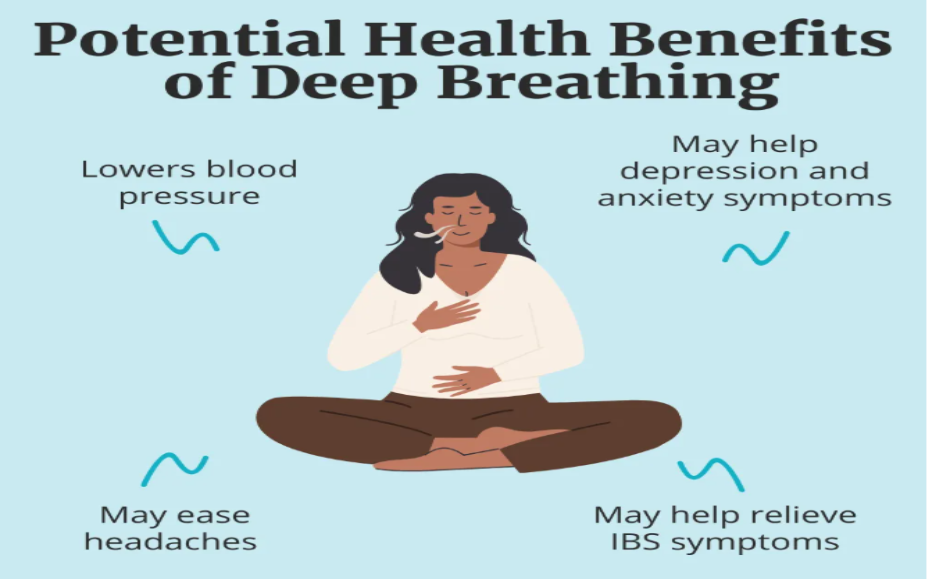
💡Pro-Tip: Practise deep breathing during non-stressful moments so it becomes easier to use during stressful situations.
3. Prioritising Quality Sleep
Sleep and stress are strongly correlated. Poor sleep increases stress, while high stress disrupts sleep. Adults generally require 7–9 hours of sleep for optimal mental health.
Good sleep habits include:
- Keeping a consistent sleep schedule
- Avoiding screens at least one hour before bed
- Creating a dark, quiet, and comfortable sleeping environment
- Creating a calming bedtime ritual (e.g., reading a book, a warm shower before sleep, listening to soothing music)
💡Pro-Tip: If falling asleep is difficult, try a “brain dump” activity by writing down worries before bedtime to reduce mental clutter.
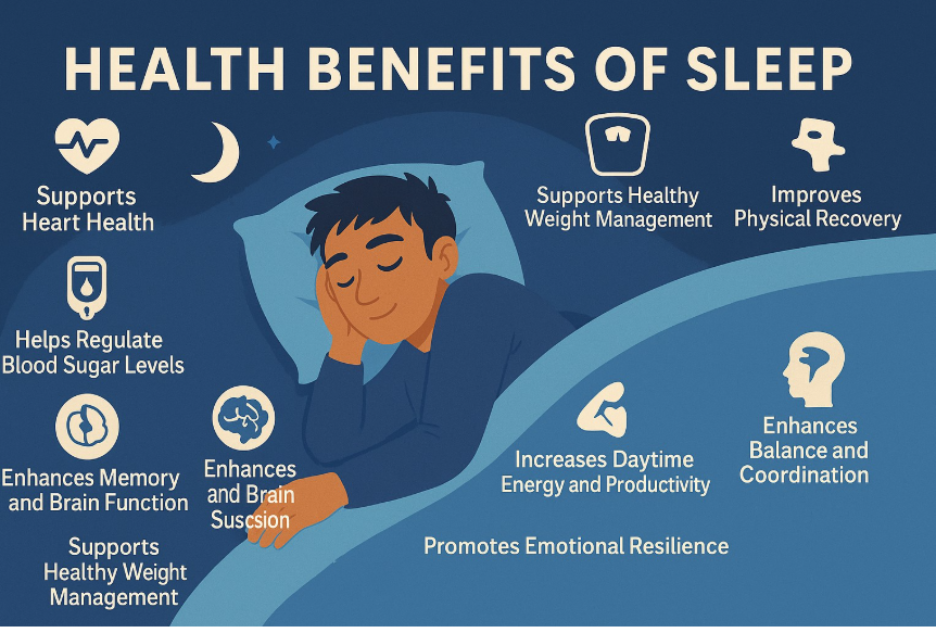
4. Eating a Balanced and Nourishing Diet
Food affects mood and energy levels. Diets high in sugar and processed foods can worsen stress symptoms, while balanced meals support emotional stability.
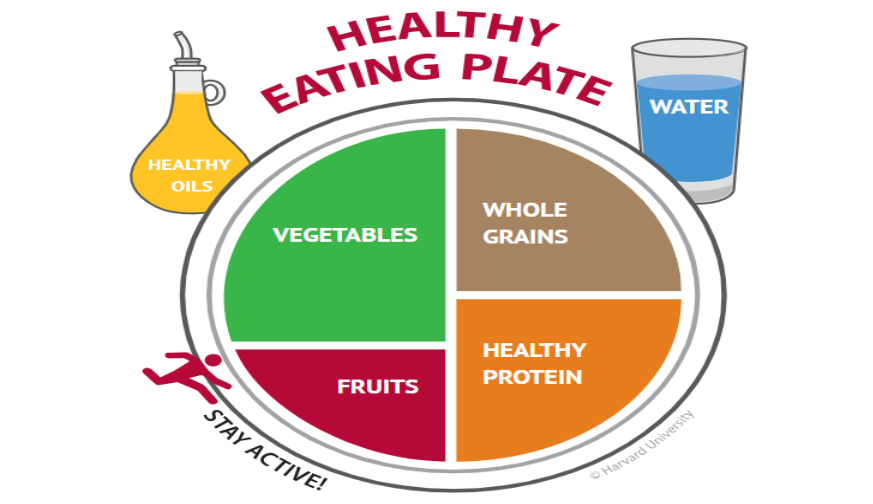
Helpful dietary choices include:
- Whole grains
- Fruits and vegetables
- Healthy fats
- Adequate protein (The National Academy of Medicine also sets a wide range for acceptable protein intake—anywhere from 10% to 35% of calories each day)
- Adequate hydration (Mayo Clinic suggests ~3.7 liters of fluids for men, and ~2.7 liters for women). These recommendations cover fluids from water, other beverages, and food. About 20% of daily fluid intake usually comes from food, and the rest from drinks.
💡Pro-Tip: Avoid skipping meals. Irregular eating can cause blood sugar fluctuations, increasing irritability and stress. Harvard’s Healthy Eating Plate Guide can be used for creating balanced meals.
5. Limiting Caffeine and Alcohol
Excess caffeine can increase anxiety, restlessness, and sleep problems. The temporary “high” often ends with a crash in mood and energy. Alcohol, while initially sends calming signals to the brain due to dopamine release and slowed brain activity, disrupts sleep and emotional regulation in the long run.
Reducing intake gradually can significantly improve stress levels and mental clarity.
💡Pro-Tip: Replace late-evening caffeine with herbal teas such as chamomile or peppermint to promote relaxation.

Mind and Social Stress Busters
6. Practising Mindfulness
Mindfulness involves paying attention to the present moment without judgement. This reduces rumination and helps individuals respond to stress more calmly.
Mindfulness can include:
- Mindful breathing (focusing attention on breath to build resilience towards stress)
- Body scans (help one become aware of stress and tension in the body)
- Mindful eating (helps one make choices that are satisfying and nourishing to the body)
- Short daily meditation practices (helps individuals take a pause, break, and reset)
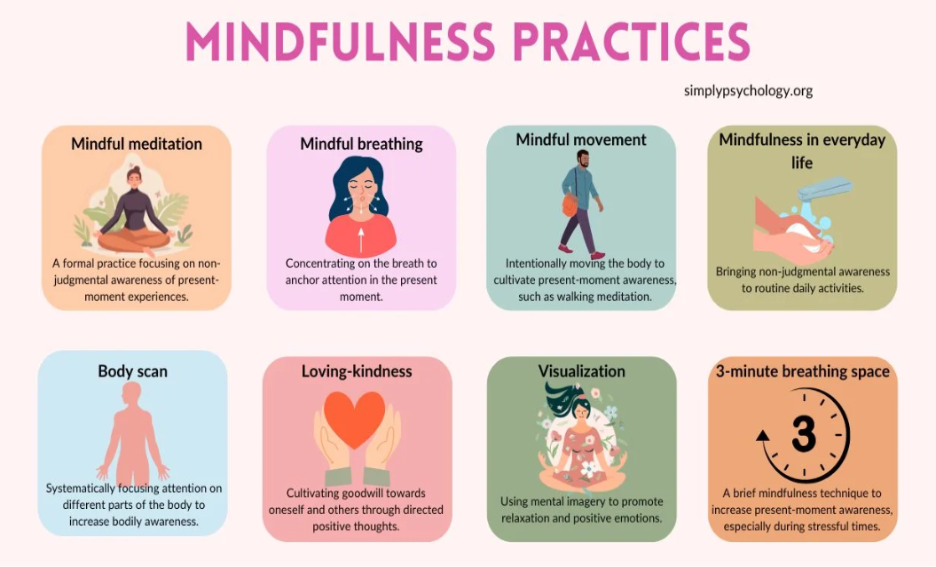
💡Pro-Tip: Mindfulness does not require long sessions. Even 3 minutes of mindful breathing can act as a quick stress buster.
7. Connecting with Others
Human connection is a natural stress buster; a strong support network can be important in managing stress. Talking to a trusted friend, family member, or colleague helps reduce emotional burden and increases feelings of support.
Talking to others can sometimes help in finding solutions by seeing things in a different way. Social connection does not require deep conversations every time; even shared laughter or casual check-ins can reduce stress.

💡Pro-Tip: Schedule regular social time just like any other appointment to ensure it does not get neglected. For example, arranging time for coffee or an activity that you enjoy with your loved ones can be a good stress reliever.
8. Engaging in Enjoyable Activities
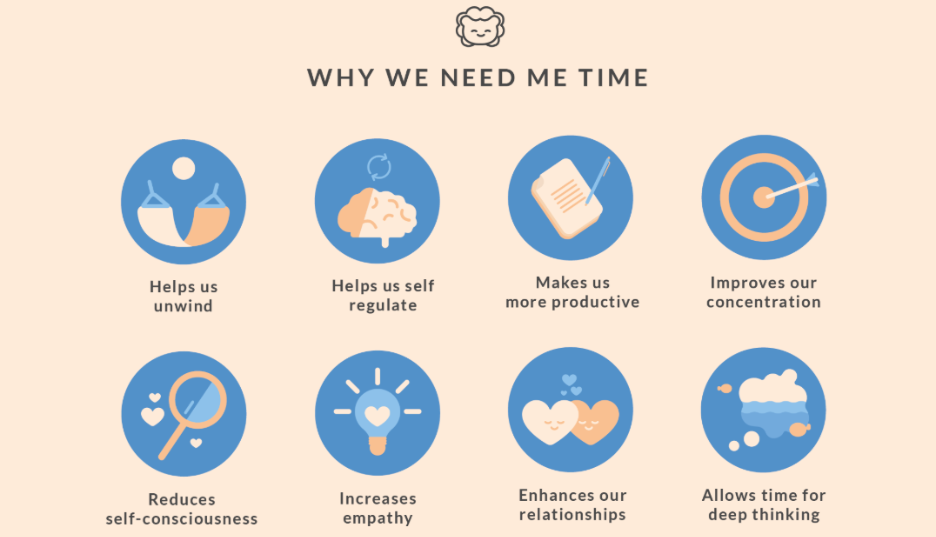
Hobbies and pleasurable activities allow the brain to shift away from stress. Setting aside time for fun and relaxation in one’s daily schedule also helps focus on “me time” and recharge batteries. Getting lost in the hustle and bustle of daily life is common, and thus, nurturing one’s needs is now a necessity, not a luxury.
Reading, music, gardening, creative work, or watching something light-hearted can provide emotional relief.
💡Pro-Tip: Choose activities that are process-focused, not outcome-focused, to avoid turning hobbies into another source of pressure.
9. Limiting Screen Time
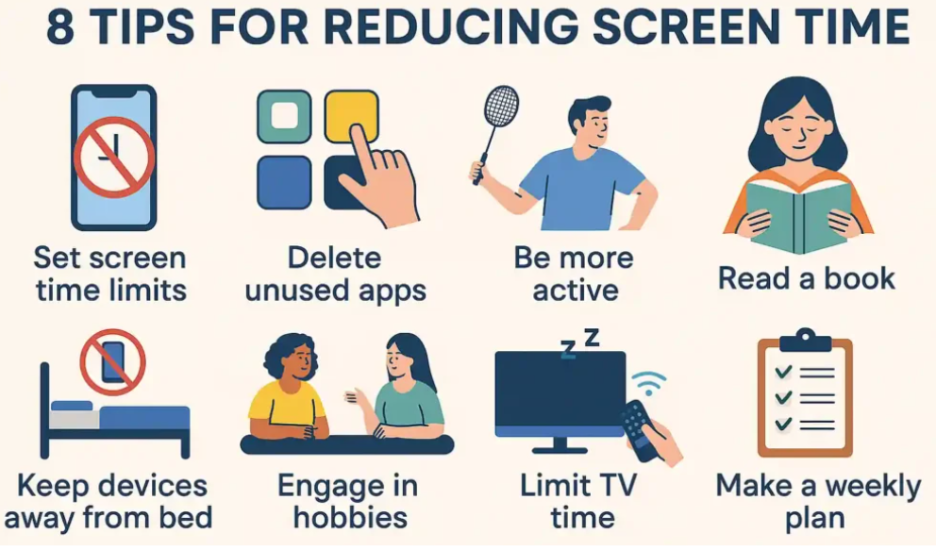
Excessive screen time, particularly on social media, can increase comparison, mental fatigue, and stress. In today’s modern world, avoiding screen time for work or personal needs is not practical; however, regular digital breaks can support better mental health.
Helpful steps include:
- Turning off unnecessary notifications
- Setting time limits on apps
- Avoiding screens before bedtime
- Identifying the underlying need (for e.g. if the need is connection instead of watching YouTube videos or Instagram reels, a friend can be reached out to)
💡Pro-Tip: Introduce “screen-free zones” such as during meals or the first hour after waking.
10. Practising Self-Compassion
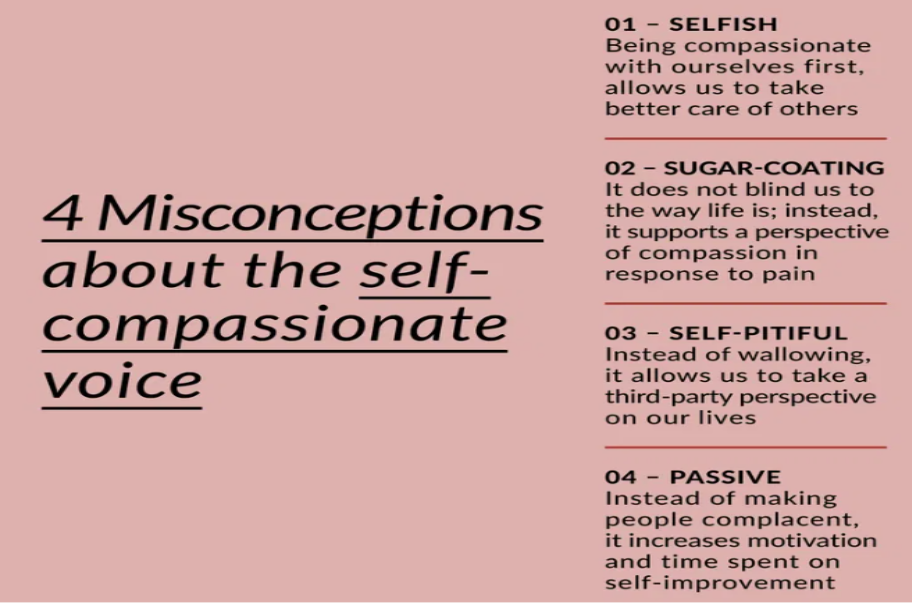
Being kind to oneself during difficult moments is an often-overlooked stress management technique. Self-criticism increases stress, while self-compassion promotes emotional resilience. We all have two voices inside us, an inner friend and an inner critic. It's often easier to silence the inner friend and focus on the inner critic. However, when we shift focus toward the voice of the inner friend, it becomes easier to be compassionate.
Self-compassion includes:
- Accepting imperfections
- Speaking to oneself kindly
- Acknowledging effort rather than only outcomes
💡Pro-Tip: Ask, “What would I say to a friend in this situation?” and apply the same kindness inward.
Applying Stress Management Techniques to Daily Life
It is important to note that stress busters are not occasional fixes. They are most effective when they are integrated naturally into daily routines. This section outlines practical stress management tips for both the workplace and home.
Effective Stress Management Techniques for Work
Workplace stress is common and often unavoidable. However, small shifts can significantly reduce its impact and help boost productivity and well-being.
Take Regular Breaks
It is easy to become absorbed in work and overlook the need for breaks. Setting a timer every 90 minutes can serve as a helpful reminder to pause. Taking a short walk, stretching, or simply resting the eyes away from the screen allows both the mind and body to recharge. These brief breaks support sustained focus and prevent mental fatigue during the workday.
Practise Deep Breathing
Deep, slow breathing is a simple yet effective way to reduce stress levels during a busy workday. Finding a quiet space, closing the eyes, and spending three to five minutes breathing in through the nose and out through the mouth can have a calming effect. Focusing attention on the breath helps quiet the mind and encourages physical relaxation.
Limit Distractions
Workplace distractions, such as email alerts, chat notifications, and frequent phone calls, can significantly disrupt concentration. Minimising these interruptions during periods of focused work can improve efficiency. Informing colleagues when uninterrupted time is needed can also be helpful. Reducing distractions makes it easier to enter a state of flow, where attention is fully engaged, leading to greater productivity and satisfaction.
Eat a Healthy Snack
Low blood sugar levels can intensify feelings of stress and irritability. Keeping nutritious snacks such as nuts, avocado toast, or granola bars readily available can help maintain steady energy levels. Providing the body with regular, healthy nourishment supports its ability to cope more effectively with workplace stressors.
💡Pro Tip: For best results, these techniques work well when used together rather than in isolation. Pair a short break with deep breathing, enjoy a healthy snack away from the screen, and use that time to mentally reset. Combining small stress management techniques throughout the day creates a stronger protective effect against burnout and supports long-term mental well-being.
Recommended Read: How to Stay Motivated at Work: Practical Tips That Actually Work
Creating a Stress-Free Environment at Home
The home environment plays an equally important role in managing stress levels. An often-overlooked and underestimated aspect: small changes can make a difference.
Minimise Clutter
A cluttered or disorganised space can contribute to feelings of anxiety and overwhelm. Setting aside time each week to declutter and organise the home can make a noticeable difference. Removing unnecessary items or storing them away creates a sense of order and calm. A clean, uncluttered environment helps individuals feel more relaxed and at ease within their living space.
Use Calming Colours
The colours used at home can influence mood and stress levels. Soft, calming shades such as blue, green, and grey are known to promote relaxation and emotional balance. In contrast, brighter colours like red or orange may feel overstimulating for some people. Where repainting walls is not possible, calming accents such as cushions, rugs, artwork, or decorative pieces in soothing tones can still create a more restful atmosphere.
Maximise Natural Lighting
Allowing natural light into the home whenever possible can have a positive impact on mental well-being. Exposure to daylight helps regulate the body’s circadian rhythm and supports healthy vitamin D levels, both of which influence mood and stress. For those who spend long hours indoors or receive limited sunlight, a light therapy lamp may be a helpful alternative.
Limit Screen Time
Excessive use of televisions, mobile phones, and computers can overstimulate the mind, making it harder to unwind at the end of the day. Setting clear boundaries around screen time, particularly in the one to two hours before bedtime, can support better relaxation and sleep quality. Replacing screen use with calming activities such as reading, taking a warm bath, or gentle stretching can help the body and mind slow down.
Incorporate Relaxing Scents
Pleasant scents can subtly influence mood and promote relaxation. Using an essential oil diffuser with calming oils such as lavender, bergamot, or sandalwood can help create a soothing environment. Scented candles, incense, or even the comforting aroma of freshly baked food can make the home feel warmer and more inviting. A calming scent can transform an ordinary space into a place of rest.
💡Pro Tip: Instead of trying to change everything at once, start with one room or one habit. Small, intentional adjustments such as decluttering a bedside table or switching off screens earlier in the evening are more sustainable and often lead to lasting changes. Over time, these simple steps can turn the home into a supportive space.
Recommended Read: How to Build Resilience: A Practical Guide for Indians Dealing with Stress, Pressure & Change
When to Seek Professional Help for Mental Health
While everyday stress busters and self-care strategies can be highly effective, there are times when stress becomes overwhelming, persistent, or difficult to manage independently. When left unaddressed, chronic stress can begin to affect emotional well-being, physical health, work performance, relationships, and overall quality of life.
Professional support may be particularly helpful when stress:
- Interferes with day-to-day functioning at work or at home
- Leads to persistent anxiety, low mood, or emotional exhaustion
- Causes sleep disturbances that last for several weeks
- Feels unmanageable despite consistent self-help efforts
In such situations, seeking professional help is not a last resort but a proactive and responsible stress management technique. Mental health professionals are trained to help individuals identify stress triggers, develop effective coping strategies, and address underlying emotional or psychological concerns contributing to ongoing stress.
1to1Help offers comprehensive mental health services designed to support individuals during challenging periods. Alongside individual counselling and therapy, 1to1Help also provides Employee Assistance Programme (EAP) services, which support employees in managing work-related stress, personal challenges, and emotional well-being in a confidential and structured manner.
Through EAP services, employees and their families can access professional counselling, mental health assessments, and early intervention support. These services aim to prevent stress from escalating into more serious mental health concerns, while also helping organisations foster healthier, more resilient workplaces.
Individual counselling offers one-to-one support, allowing individuals to work privately with an experienced counsellor to explore challenges, set personal goals, and build healthier coping mechanisms. For those who require flexibility, online programmes offer convenient access to professional support from anywhere, making care more accessible and adaptable to modern lifestyles.
Reaching out for professional support is not a sign of weakness; it is an investment in long-term mental health and emotional resilience. With compassionate and confidential care, mental health services, and EAP support from organisations such as 1to1Help, individuals can be guided towards greater balance, clarity, and well-being. No one has to navigate overwhelming stress alone, and support is available whenever one is ready to seek it.
Conclusion: Choosing the Right Stress Buster
Stress is an inevitable part of life, but suffering from it does not have to be. Understanding the stress buster meaning empowers individuals to respond to stress more effectively rather than feeling controlled by it.
The most effective stress relief comes from small, consistent actions. Whether it is daily breathing exercises, regular movement, mindful pauses, or meaningful social connections, every stress buster contributes to better mental health.
By choosing techniques that feel realistic and sustainable, stress management becomes a supportive habit rather than another task.
FAQs
Q1. What exactly is stress relief?
Stress relief refers to activities or techniques that reduce emotional and physical tension caused by stress.
Q2. Do stress busters really work?
Yes, when practised consistently, stress busters help regulate emotions, reduce anxiety, and improve mental health.
Q3. How can someone start a stress management practice?
Start small. Choose one simple stress buster, practise it daily, and build gradually.
Q4. Is stress always harmful?
Short-term stress can be motivating, but long-term unmanaged stress can negatively affect mental and physical health.
Downloadable Resources
- Stress Buster Checklist (Daily/Weekly stress buster activities) : https://wellness.carleton.ca/wp-content/uploads/2022/11/Stress-Busters-1.pdf
- Mindful Breathing Script (Guided practice to follow during breaks or before sleep) : https://www.va.gov/WHOLEHEALTHLIBRARY/docs/Script-Mindful-Breathing.pdf
- One-Hour Stress Plan (Coping worksheet when stress leads to Overwhelm) : https://positive.b-cdn.net/wp-content/uploads/2021/09/One-Hour-Stress-Plan.pdf
References
- American Psychological Association. (n.d.). How to practice self-compassion. https://positivepsychology.com/how-to-practice-self-compassion/
- Berkeley Greater Good Science Center. (n.d.). Mindful breathing. https://ggia.berkeley.edu/practice/mindful_breathing
- Better Health Channel. (n.d.). Stress busters. Victorian State Government. https://www.betterhealth.vic.gov.au/health/healthyliving/Stress-busters
- Calm. (n.d.). How to regulate your nervous system. https://www.calm.com/blog/how-to-regulate-nervous-system
- Cleveland Clinic. (n.d.). Anxiety disorders. https://my.clevelandclinic.org/health/diseases/9536-anxiety-disorders
- Cleveland Clinic. (n.d.). Cortisol: What it is and how it affects your body. https://my.clevelandclinic.org/health/articles/22187-cortisol
- Cleveland Clinic. (n.d.). Dopamine: What it does. https://my.clevelandclinic.org/health/articles/22581-dopamine
- Cleveland Clinic. (n.d.). Endorphins. https://my.clevelandclinic.org/health/body/23040-endorphins
- Harvard T.H. Chan School of Public Health. (n.d.). Healthy eating plate. https://nutritionsource.hsph.harvard.edu/healthy-eating-plate/
- Harvard T.H. Chan School of Public Health. (n.d.). Mindful eating. https://nutritionsource.hsph.harvard.edu/mindful-eating/
- Harvard T.H. Chan School of Public Health. (n.d.). What should you eat? https://nutritionsource.hsph.harvard.edu/what-should-you-eat/
- Headspace. (n.d.). Short meditation. https://www.headspace.com/meditation/short-meditation
- Healthdirect Australia. (n.d.). Sleep. https://www.healthdirect.gov.au/sleep
- Healthline. (n.d.). Diaphragmatic breathing. https://www.healthline.com/health/diaphragmatic-breathing
- HelpGuide. (n.d.). Stress management. https://www.helpguide.org/mental-health/stress/stress-management
- Hopkins Medicine. (n.d.). Sleepless nights? Try stress relief techniques. https://www.hopkinsmedicine.org/health/wellness-and-prevention/sleepless-nights-try-stress-relief-techniques
- Mayo Clinic. (n.d.). Meditation: Mindfulness exercises. https://www.mayoclinic.org/tests-procedures/meditation/in-depth/mindfulness-exercises/art-20046356
- Mayo Clinic. (n.d.). Stress relievers: Tips to tame stress. https://www.mayoclinic.org/healthy-lifestyle/stress-management/in-depth/stress-relievers/art-20047257
- Mayo Clinic. (n.d.). Water: How much should you drink every day? https://www.mayoclinic.org/healthy-lifestyle/nutrition-and-healthy-eating/in-depth/water/art-20044256
- NHS Inform. (n.d.). 10 stress busters. https://www.nhsinform.scot/healthy-living/mental-wellbeing/stress/10-stress-busters/
- ResearchGate. (2018). Managing stress at workplace. https://www.researchgate.net/publication/323393909_Managing_Stress_at_Workplace
- Verywell Mind. (n.d.). Body scan meditation: Why and how. https://www.verywellmind.com/body-scan-meditation-why-and-how-3144782
- Verywell Mind. (n.d.). What you need to know about eustress. https://www.verywellmind.com/what-you-need-to-know-about-eustress-3145109
- World Health Organization. (n.d.). Stress: Questions and answers. https://www.who.int/news-room/questions-and-answers/item/stress


.svg)
.svg)
.svg)
.svg)