

.png)


.png)

Mental Health Concerns
Differences Between Stress And Anxiety, Their Symptoms And Solutions

.png)
Written by
Aarohi Parakh,
Psychologist and Content Writer

Reviewed by
Sanjana Sivaram,
Psychologist and Clinical Content Head


Introduction: Understanding the Fine Line Between Stress and Anxiety
Stress and anxiety are two of the most commonly experienced mental health concerns today. From busy work schedules and financial responsibilities to relationship challenges and uncertainty about the future, modern life places continuous demands on the mind and body. It is no surprise that many people feel overwhelmed, restless, or emotionally drained. What often adds to this distress is confusion. These words are often used interchangeably in daily conversations, but psychologically, they are not the same. Understanding the difference between stress and anxiety is not just about definitions. It is about knowing what your mind and body are communicating to you.
At a biological level, both stress and anxiety activate the body’s fight or flight response. This system is designed to protect individuals from danger. When the brain perceives a threat, it releases hormones such as adrenaline and cortisol, preparing the body to respond. Heart rate increases, breathing becomes shallow, muscles tense, and attention narrows. In small doses, this response can be helpful. It can improve focus, enhance performance, and motivate action.
The difference lies in how and why this system is activated. Stress is typically a response to an identifiable external pressure. Anxiety is the internal response that may continue even after the pressure is gone. Stress can sometimes be productive, while anxiety often feels uncontrollable and exhausting.
This blog aims to break down how stress and anxiety show up in daily life, their symptoms, causes, and biological connections. It will also provide practical ways to tell them apart, manage them effectively, and recognise when professional support may be needed. By the end of this blog, readers should feel better equipped to identify what they are experiencing, understand why it is happening, and choose strategies that genuinely support their mental health and emotional well-being.
Understanding Stress: The External Pressure
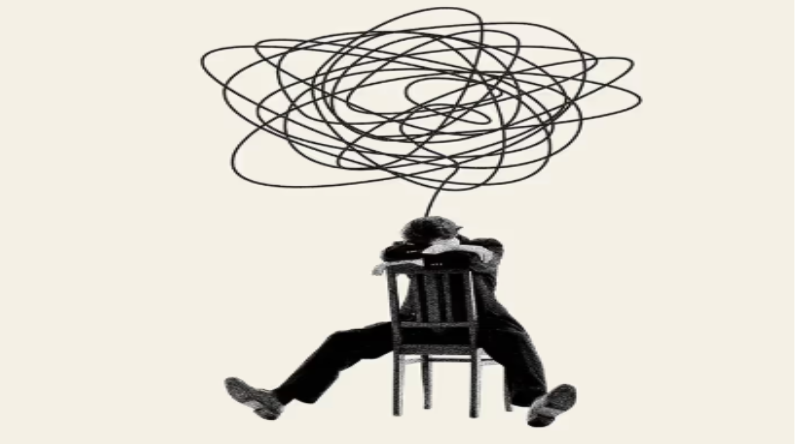
Stress is viewed as a natural response of the body to changes in circumstances or experiences of threat in daily life. It occurs when the pressures placed upon an individual outweigh the resources they feel they have to cope with a situation.
Common Triggers of Stress
Stress is usually triggered by external factors. Common stressors include:
- Work deadlines and workload pressure
- Financial strain and money-related concerns
- Relationship conflicts or family responsibilities
- Academic demands or examinations
- Major life changes such as moving, marriage, separation, or loss
A helpful way to visualise stress is through a weighing scale. On one side are the demands of a situation. On the other side are coping resources such as time, energy, emotional resilience, and support. When demands exceed resources, stress occurs.
💡Pro-tip: Stress often reduces when resources increase. Asking for help, setting boundaries, or breaking tasks into smaller steps can shift the balance.
Duration of Stress
Stress is typically short-term. Once the stressor is resolved or managed, the body begins to return to a calmer state. However, when stressors persist without relief, stress can become chronic.
The Physical Toll of Stress
Stress often shows up in the body in noticeable ways, including:
- Muscle tension, particularly in the neck and shoulders
- Headaches and body aches
- Digestive issues
- Fatigue and sleep disturbances
Understanding Anxiety: The Internal Origin
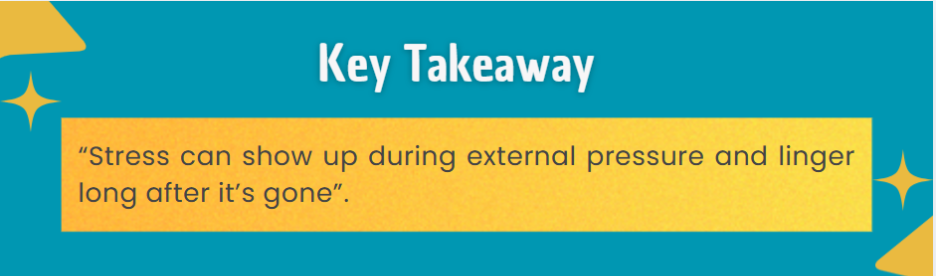
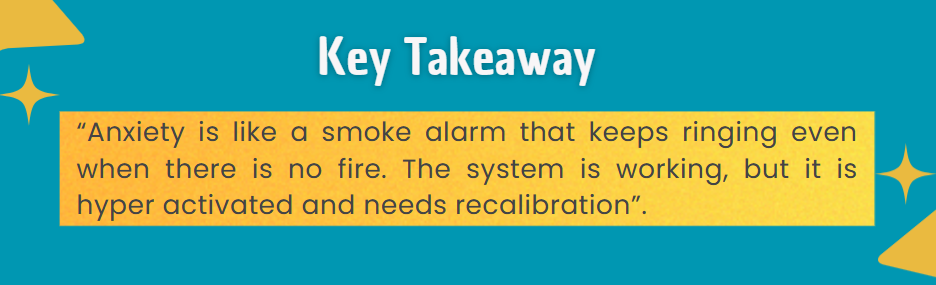
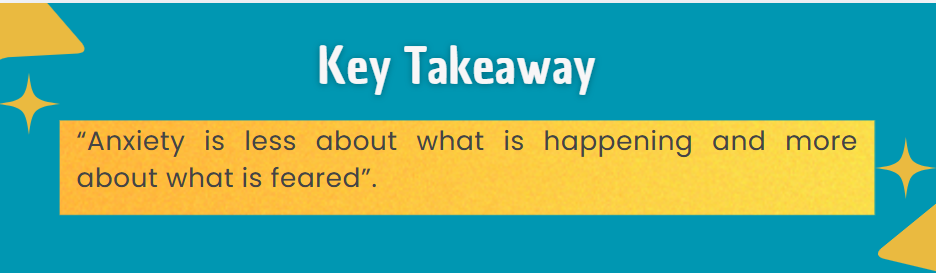
Anxiety is a common emotion involving fear, tension, or worry in response to real or perceived threats. Unlike stress, anxiety is more internal and is often driven by thoughts, perceptions, and fears about the future.
The Internal Loop

Anxiety often involves persistent apprehension or a sense of impending doom. The mind becomes preoccupied with what might go wrong rather than what is happening now. This internal loop can feel almost impossible to interrupt.
The Persistence Factor
Anxiety tends to linger even during calm periods. Individuals may feel on edge despite having no immediate demands or threats.
Case Example: An employee may finish all their tasks for the day, receive no negative feedback, and even be appreciated by their manager. Yet, they continue to feel tense at their desk or uneasy on their commute home. Their mind keeps returning to thoughts like “What if I made a mistake?” or “What if something comes up tomorrow?” Even without emails, calls, or deadlines, the body remains on high alert, making it difficult to truly switch off after work.
Specific Symptoms of Anxiety
Anxiety may involve:
- Excessive worry about future events
- Restlessness and hypervigilance
- Avoidance behaviours
- Difficulty concentrating
Anxiety Disorders
When anxiety becomes intense and interferes with daily functioning, it may indicate an anxiety disorder such as:
The Biological Connection: Fight or Flight Response
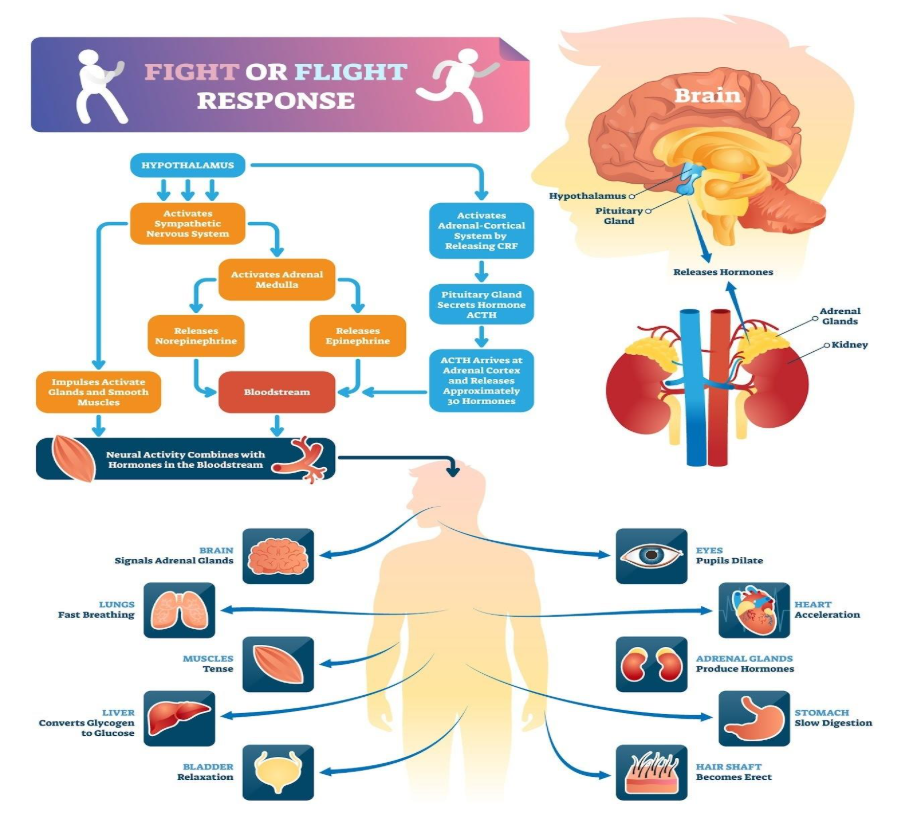
Both stress and anxiety activate the fight or flight response, which is regulated by the sympathetic nervous system. This system exists to protect the body when a threat is detected. Originally, it helped human beings survive dangerous situations by preparing them to fight or escape.
What Happens in the Body
When the brain perceives a threat, whether real or imagined, the hypothalamus acts as the control centre. It sends a signal to the pituitary gland, which then activates the adrenal glands. This chain reaction triggers the release of stress hormones and neurotransmitters, such as epinephrine (adrenaline), cortisol, and norepinephrine.
These hormones prepare the body to respond quickly and effectively:
- Heart rate increases to pump more blood to the muscles
- Breathing becomes faster to supply more oxygen
- Muscles tighten to prepare for action
- Attention becomes sharply focused
This reaction occurs automatically, often within seconds, without conscious thought.
Adrenaline and Cortisol Explained
Adrenaline is responsible for the immediate surge of energy and alertness. It is what makes the heart race, palms sweat, and senses sharpen. This is helpful in short-term situations such as reacting to an oncoming vehicle or meeting an urgent deadline.
Cortisol works alongside adrenaline but has a longer-lasting role. It helps regulate energy levels, blood sugar, and inflammation so the body can cope with stress over time. In healthy situations, cortisol levels rise during stress and return to normal once the threat has passed.
How Fight or Flight Works Differently in Stress and Anxiety
Stress example (short-term activation):
A person is driving when another vehicle suddenly tries to overtake them. Their heart races, hands grip the steering wheel tightly, and breathing becomes shallow. This is adrenaline activating the fight-or-flight response to protect them. Once the danger passes and the road is clear, the body gradually calms down. Heart rate slows, muscles relax, and breathing returns to normal. The nervous system switches off the alarm because the threat has ended.
Anxiety example (prolonged activation):
Now imagine the same person, days later, reliving the incident in their body rather than just in their thoughts. Each time they get into a car, their heart starts racing, their shoulders tense, and their breathing becomes shallow, even though they are driving safely and nothing dangerous is happening. Their body reacts as if the threat is happening again. The fight or flight response keeps activating, not because of present danger, but because the nervous system has learned to stay alert
System Overdrive
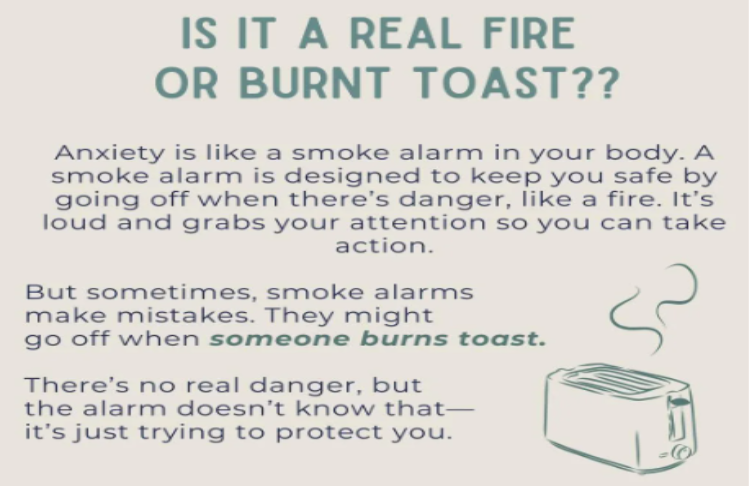
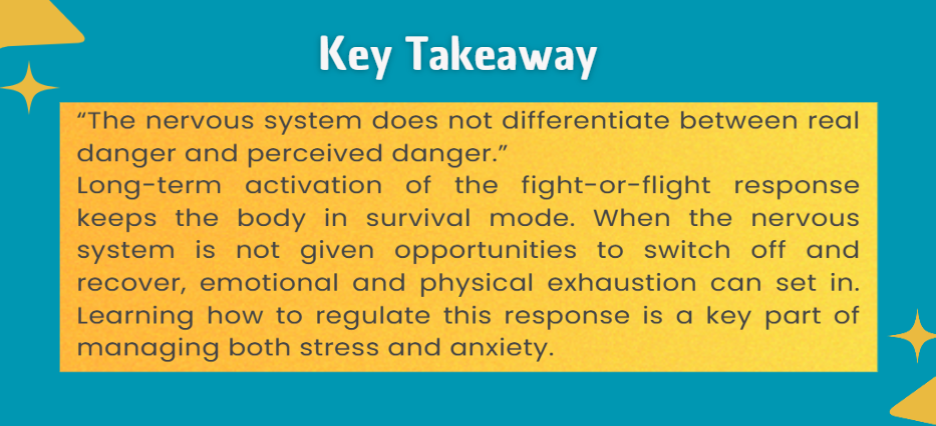
In stressful situations, the fight-or-flight response activates when needed and shuts off once the situation ends. In anxiety, the alarm stays on even when there is no fire.
Chronic stress keeps cortisol levels elevated because demands continue. Anxiety disorders keep the nervous system in constant alert mode due to ongoing fear and anticipation. Over time, this leads to emotional and physical exhaustion, sleep problems, difficulty concentrating, and burnout.
How to Tell the Difference: The Self Check
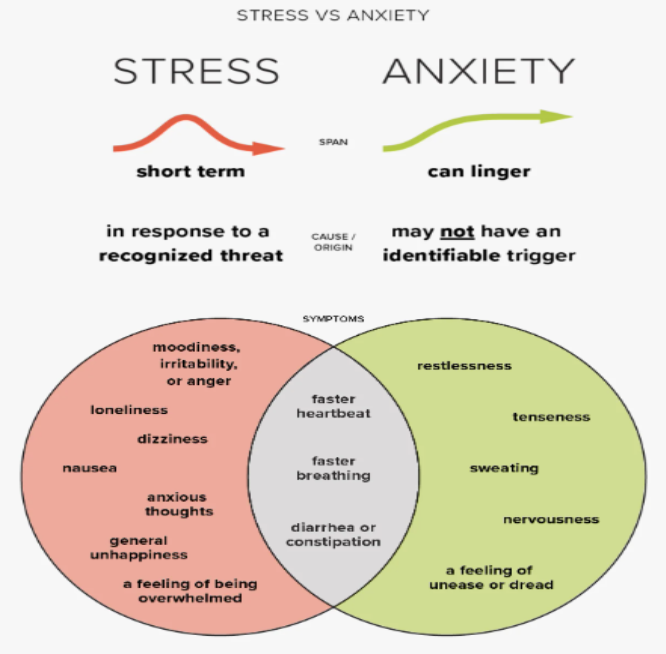
Because stress and anxiety share many symptoms, it can be difficult to tell which one is being experienced in the moment. This self-check is not meant to diagnose, but to help individuals pause and reflect on the nature of their emotional response. Understanding this difference can guide towards effective coping.
The Trigger Test
Stress usually has a clear and identifiable trigger. This could be a deadline, a bill, a difficult conversation, or an upcoming responsibility.
Ask yourself:
“If this situation were removed or resolved, would I feel some relief?”
If the answer is yes, the experience is likely stress. For example, once a task is completed or a problem is addressed, the tension begins to ease. The body responds to the change by gradually calming down.
If the answer is no, and the distress continues even after the situation has been resolved, anxiety may be present. Anxiety tends to persist because it is driven by anticipation and worry rather than the situation itself.
The Future vs Present Test
Another way to differentiate between stress and anxiety is to notice where the mind is focused.
Stress is usually present-focussed. Thoughts revolve around what needs to be done right now, such as completing a task or managing a current challenge.
Anxiety is typically future-focussed. The mind jumps ahead to what might happen, what could go wrong, or how a situation might unfold negatively, even without evidence.
For instance, stress might sound like, “I need to finish this report today.”
Anxiety might sound like, “What if I fail at my job because of this report?”
Mini Self Check Checklist
Use this quick checklist to gain clarity:
- Is there a clear cause or situation linked to how you feel?
This often points towards stress.
- Does the worry continue even when there is nothing immediate to handle?
This often points towards anxiety.
- Does your body relax once the task is done?
More likely stress.
- Does your body remain tense despite reassurance or resolution?
More likely anxiety.
Management and Treatment Strategies
Understanding whether one is experiencing stress or anxiety is important because each responds best to different kinds of support. While there is some overlap, stress generally improves when external demands are managed, whereas anxiety requires working with internal thoughts, emotions, and the nervous system.
For Stress: Problem Solving and Lifestyle Changes
Stress responds well to practical, action-oriented strategies because it is usually linked to identifiable external pressures.
Time management and prioritization
When stress is driven by multiple tasks or deadlines, breaking work into smaller steps can reduce overwhelm. For example, instead of trying to complete everything at once, listing tasks in order of importance and focussing on one task at a time can make demands feel more manageable.
Setting healthy boundaries
Stress often increases when individuals take on more than they can realistically handle. Learning to say no, delegating tasks, or setting clear work hours can reduce unnecessary pressure. For instance, stopping work emails after a certain time can help the body switch out of stress mode.
Regular physical activity
Movement helps release built-up stress hormones such as adrenaline and cortisol. Even a short walk after work or gentle stretching at home can signal to the body that the stressor has passed.
💡Pro-tip: Stress management works best when external demands are addressed directly rather than only trying to calm the mind.
Recommended Read:
For Anxiety: Reframing Thoughts and Emotional Regulation
Anxiety management focuses less on fixing situations and more on changing how one responds internally, because anxiety is often driven by worry and anticipation rather than immediate problems.
Cognitive Behavioural Therapy
CBT helps individuals identify unhelpful thought patterns such as catastrophising or overgeneralising. For example, changing a thought like “If I make a mistake, everything will fall apart” to “Mistakes are uncomfortable but manageable” can reduce anxiety over time.
Mindfulness practices
Mindfulness helps individuals stay anchored in the present moment rather than getting caught in future-based worries. Simple practices such as focusing on the breath or noticing physical sensations can calm the nervous system.
Medication when clinically indicated
In cases where anxiety is severe or persistent, medication may be recommended by a qualified professional to support emotional regulation alongside therapy.
Example: A person with anxiety may repeatedly check their work for errors even when it is complete. Learning to notice anxious thoughts without reacting to them and practising grounding techniques can help reduce the urge to seek reassurance.
💡Pro-tip: “You cannot think your way out of anxiety, but you can learn to respond to it differently.”
Shared Self-Care for Stress and Anxiety
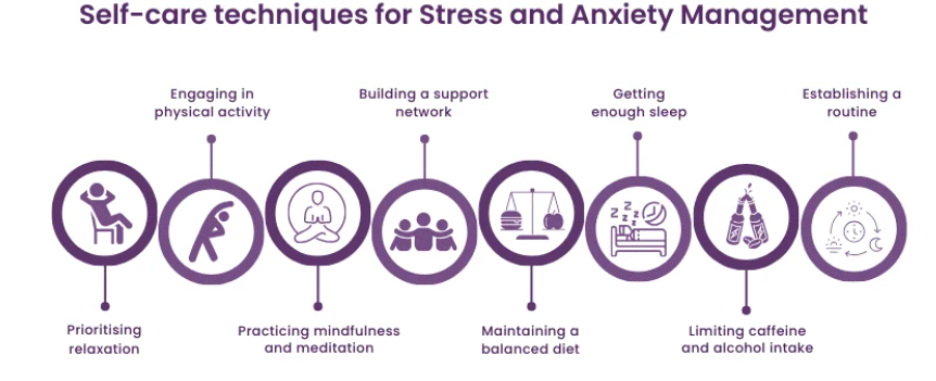
Certain self-care practices support both stress and anxiety management by helping regulate the nervous system.
Good sleep hygiene
Maintaining regular sleep and wake times allows the body to recover. Poor sleep can intensify both stress and anxiety symptoms.
Limiting caffeine and alcohol
Caffeine can increase heart rate and mimic anxiety symptoms, while alcohol can disrupt sleep and emotional regulation.
Consistent physical movement
Regular movement, even in small amounts, helps stabilise mood and reduce nervous system arousal.
💡Pro-tip: Stress improves when life pressures are managed. Anxiety improves when the nervous system learns that it is safe.
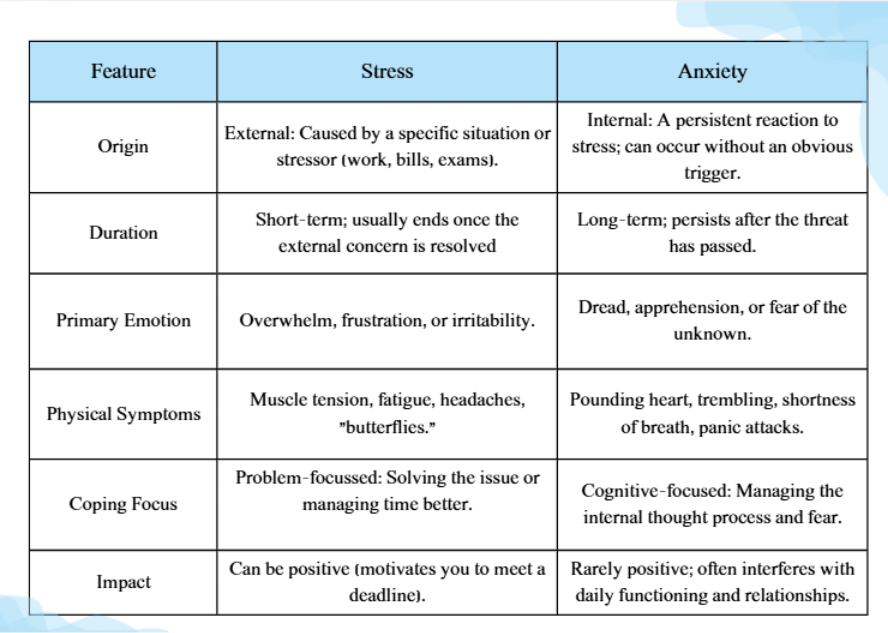
Stress vs. Anxiety Comparison Table
When to Seek Help: The Mental Health Toolkit
Stress and anxiety are common experiences, and many people are able to manage them with self-help strategies and lifestyle changes. However, there are times when these emotional concerns move beyond what can be handled alone. Knowing when to seek professional help is an important part of taking care of mental health.
This toolkit is designed to help readers recognise when additional support may be needed. It is not about labelling or diagnosing, but about noticing patterns that suggest it may be time to reach out.
The Interference Rule
If emotional distress interferes with everyday functioning for more than two weeks, professional support is recommended.
This includes difficulty:
- Concentrating or performing at work
- Falling asleep or staying asleep
- Maintaining relationships or social connections
- Managing routine responsibilities
For example, a person may feel constantly overwhelmed at work, struggle to focus, or carry work-related stress home every day. Over time, this can lead to burnout, irritability, and emotional exhaustion. When stress or anxiety consistently disrupts daily life, it is a sign that extra support could be helpful.
The Physical Rule
Stress and anxiety do not only affect the mind. They often show up in the body.
Unexplained symptoms such as chest pain, frequent headaches, chronic digestive issues, breathlessness, or recurring panic attacks should always be medically evaluated first to rule out physical causes. Once medical concerns are addressed, it is equally important to explore the role of stress or anxiety in these symptoms.
For instance, a person may repeatedly experience stomach discomfort or heart palpitations during stressful periods. Even when medical tests come back normal, the symptoms feel very real and distressing. In such cases, psychological support can help address the underlying emotional and nervous system responses.
The Severity Rule
Certain emotional experiences indicate that professional support is strongly recommended.
These include:
- A persistent sense of impending doom
- Constant hypervigilance or feeling on edge
- Frequent panic or anxiety attacks
- Avoidance of situations due to fear
- Feeling emotionally overwhelmed most of the time
When anxiety reaches this level, it may point towards something more serious rather than everyday stress. Therapy can help identify patterns, regulate emotional responses, and teach coping skills that restore a sense of safety and control.
Recommended Read:
Conclusion
Understanding the difference between stress and anxiety is essential for managing mental health effectively. Stress is usually linked to external pressures and often reduces when those pressures are addressed. Anxiety, on the other hand, is more persistent and is driven by internal worry, anticipation, and emotional patterns. Recognising which one you are experiencing allows you to choose coping strategies that actually work.
Through the Employee Assistance Programme (EAP) services offered by 1to1help, individuals can access structured self-help resources for stress management and confidential one-to-one counselling sessions. These services support employees in navigating stress, anxiety, and other mental health concerns in a practical and accessible way.
Mental health support is most effective when it is timely, informed, and personalised. Recognising the need for help and taking that step is a proactive investment in long-term well-being.
References
- American Psychological Association. (n.d.). Stress. https://www.apa.org/topics/stress
- Better Health Channel. (n.d.). Work-related stress. Victorian State Government. https://www.betterhealth.vic.gov.au/health/healthyliving/work-related-stress
- Cleveland Clinic. (n.d.). Adrenal glands. https://my.clevelandclinic.org/health/body/23005-adrenal-gland
- Cleveland Clinic. (n.d.). Anxiety disorders. https://my.clevelandclinic.org/health/diseases/9536-anxiety-disorders
- Cleveland Clinic. (n.d.). Cortisol. https://my.clevelandclinic.org/health/articles/22187-cortisol
- Cleveland Clinic. (n.d.). Generalized anxiety disorder (GAD). https://my.clevelandclinic.org/health/diseases/23940-generalized-anxiety-disorder-gad
- Cleveland Clinic. (n.d.). Pituitary gland. https://my.clevelandclinic.org/health/body/21459-pituitary-gland
- Cleveland Clinic. (n.d.). Social anxiety disorder. https://my.clevelandclinic.org/health/diseases/22709-social-anxiety
- Cleveland Clinic. (n.d.). Stress. https://my.clevelandclinic.org/health/diseases/11874-stress
- Cleveland Clinic. (n.d.). Sympathetic nervous system (fight or flight). https://my.clevelandclinic.org/health/body/23262-sympathetic-nervous-system-sns-fight-or-flight
- Harvard Health Publishing. (n.d.). Stress and the sensitive gut. https://www.health.harvard.edu/newsletter_article/stress-and-the-sensitive-gut
- Healthline. (n.d.). Panic attack vs. anxiety attack. https://www.healthline.com/health/panic-attack-vs-anxiety-attack
- Mayo Clinic. (n.d.). Cognitive behavioral therapy. https://www.mayoclinic.org/tests-procedures/cognitive-behavioral-therapy/about/pac-20384610
- Medical News Today. (n.d.). Stress vs anxiety: Differences and symptoms. https://www.medicalnewstoday.com/articles/stress-vs-anxiety#difference
- Medical News Today. (n.d.). Stress definition. https://www.medicalnewstoday.com/articles/145855#definition
- Medical News Today. (n.d.). What is anxiety? https://www.medicalnewstoday.com/articles/323454
- MedlinePlus. (n.d.). Panic disorder. https://medlineplus.gov/panicdisorder.html
- Mental Health America. (n.d.). What is adrenaline? https://mhanational.org/resources/what-is-adrenaline
- Mindful. (n.d.). What is mindfulness? https://www.mindful.org/what-is-mindfulness/
- National Health Service. (n.d.). Sleep and mental health. https://www.nhs.uk/every-mind-matters/mental-health-issues/sleep/
- Psychology Today. (2023). Ways to cope with life transitions. https://www.psychologytoday.com/us/blog/the-addiction-connection/202312/8-ways-to-cope-with-life-transitions
- Verywell Mind. (n.d.). Causes of stress. https://www.verywellmind.com/what-are-the-main-causes-of-stress-3145063
- Verywell Mind. (n.d.). Fight or flight response. https://www.verywellmind.com/what-is-the-fight-or-flight-response-2795194
- Verywell Mind. (n.d.). Financial stress. https://www.verywellmind.com/understanding-and-preventing-financial-stress-3144546
- Verywell Mind. (n.d.). Relationship conflict and stress. https://www.verywellmind.com/the-toll-of-conflict-in-relationships-3144952
- WebMD. (n.d.). Effects of stress on the body. https://www.webmd.com/balance/stress-management/stress-symptoms-effects_of-stress-on-the-body
- WebMD. (n.d.). Epinephrine vs norepinephrine. https://www.webmd.com/brain/difference-between-epinephrine-and-norepinephrine


.svg)
.svg)
.svg)
.svg)