

.png)


.png)

Personal Growth & Wellbeing
Self-Development: Unlock Your Potential for Personal Growth

.png)
Written by
Aarohi Parakh,
Psychologist and Content Writer

Reviewed by
Sanjana Sivaram,
Psychologist and Clinical Content Head


Self-Development: Unlock Your Potential for Personal Growth
For many people in India, a typical day may begin early and end very late. A working professional in an urban city may be managing long commute hours, tight deadlines, and family expectations at home. A parent in a smaller town might be balancing household responsibilities, children’s education, and financial planning, often putting personal needs last. Over time, life becomes about meeting responsibilities, leaving little space to pause and reflect on one’s own growth.
Self-Development is not a destination that one needs to keep chasing. It is a lifelong process of understanding oneself, improving skills, and making intentional choices that support Personal Growth and Emotional Well-being. In today’s fast-paced world, many individuals find themselves constantly juggling work responsibilities, family expectations, financial pressures, and social roles. Amidst all this, the idea of focusing on personal development can feel overwhelming or even indulgent. However, true growth begins when individuals pause, reflect, and take small yet meaningful steps towards becoming the best version of themselves.
This article on Self-Development is designed for anyone seeking clarity, balance, and progress in navigating life. The article explores mental resilience, emotional health, communication skills, and practical strategies for everyday life. Whether it is a young professional navigating career uncertainty, a parent managing multiple responsibilities, or a leader aiming to build healthier workplace relationships, self-development offers tools that are relevant across life stages and social contexts.
The Foundations of Personal Growth and Self-Improvement
Before embarking on any self-development journey, it is essential to establish a strong foundation. Personal Growth is not just about acquiring new skills or achieving goals. It begins with self-awareness and the willingness to examine long-standing beliefs, habits, and patterns of behaviour.
In the Indian context, many individuals grow up with deeply ingrained expectations around academic success, career stability, marriage, and family responsibility. While these expectations often come from care and cultural values, they can sometimes limit personal choice and self-expression. Self-development helps individuals reflect on what truly matters to them, beyond societal benchmarks.
At its core, self-improvement requires patience, consistency, and a realistic understanding that growth is not linear. There will be phases of progress, setbacks, and learning. Accepting this reality makes the journey sustainable and fulfilling.
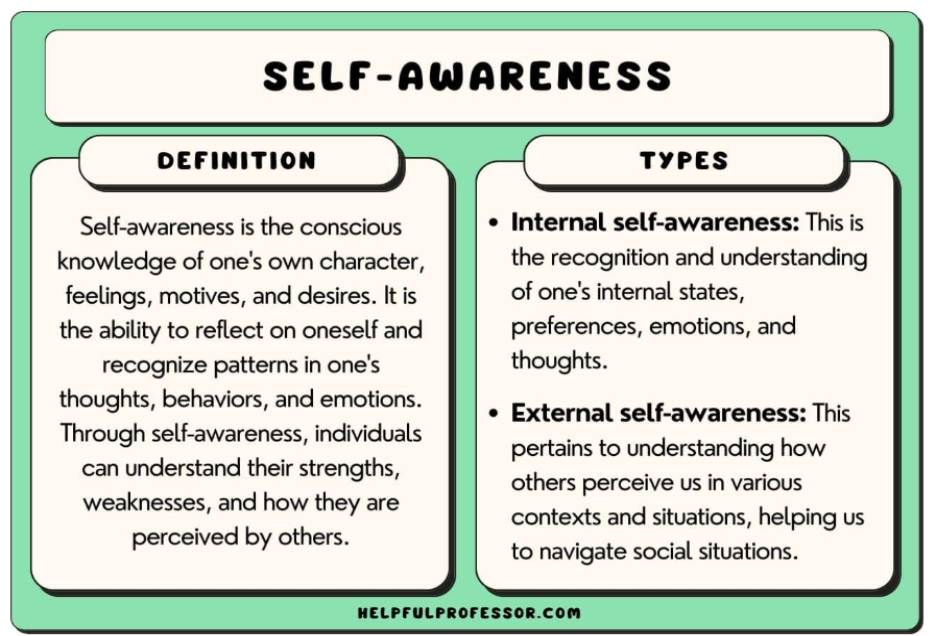
💡Pro-Tip: Begin by identifying one area of life that feels most challenging right now. It could be work stress, difficulty saying no, or a lack of motivation. Focusing on one area at a time prevents overwhelm and builds confidence through small wins.
Embracing a Growth Mindset for Continuous Self-Improvement
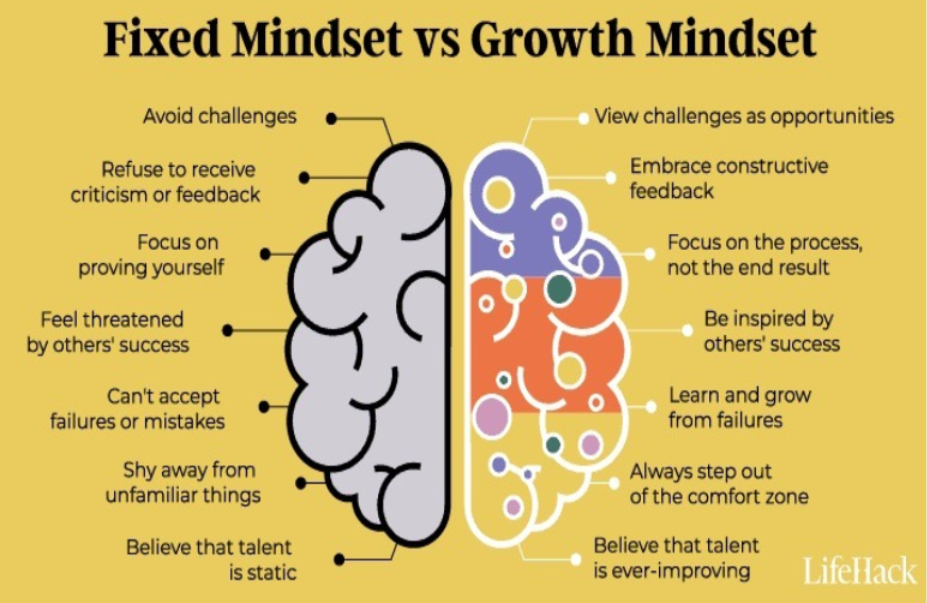
One of the most important pillars of Self-Improvement is adopting a growth mindset. A growth mindset is the belief that abilities, intelligence, and skills can be developed through effort, learning, and experience. This contrasts with a fixed mindset, in which individuals believe their capabilities are limited and unchangeable.
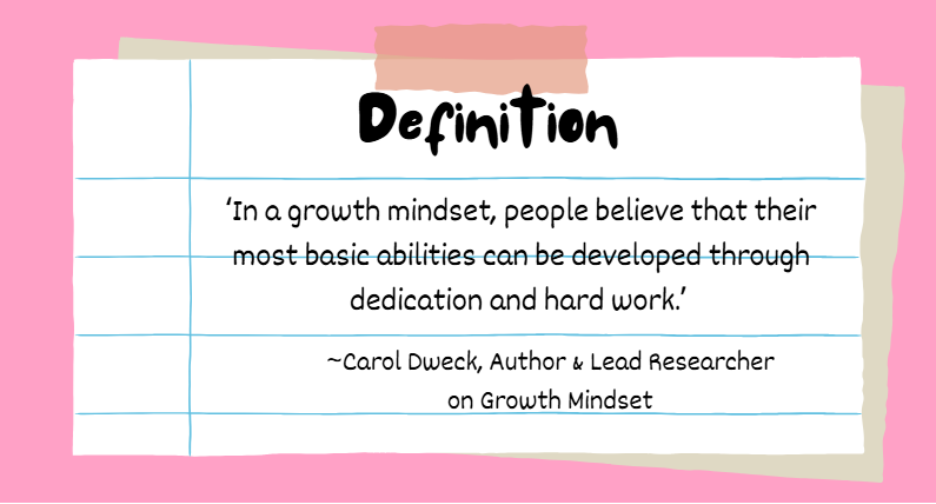
Consider the example of a college student in Pune who struggles with public speaking. A fixed mindset might lead them to believe that they are simply “not confident” or “bad at communication.” A growth mindset encourages them to view this challenge as a skill gap that can be addressed through practice, feedback, and exposure.
Viewing challenges as opportunities rather than failures transforms the self-development process. Mistakes become lessons, and discomfort becomes a sign of growth rather than inadequacy or limitations. This approach is particularly valuable in environments where comparison and competition are common, such as academic institutions and corporate workplaces. The truth is, we are all a mix of growth and fixed mindsets (depending on the situation); however, the key is to identify one’s fixed-mindset patterns and continue working on reframing our thoughts for continued learning.
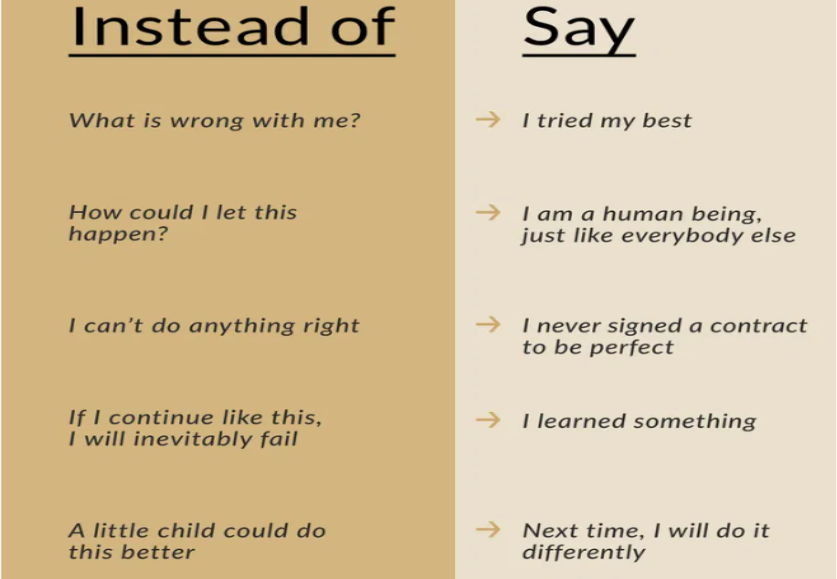
💡Pro-Tip: Replace self-critical thoughts with learning-oriented questions. Instead of thinking “Why am I so bad at this?”, try asking “What can I do differently next time?” This simple shift builds resilience and motivation.
The Art of Effective Goal Setting and Execution
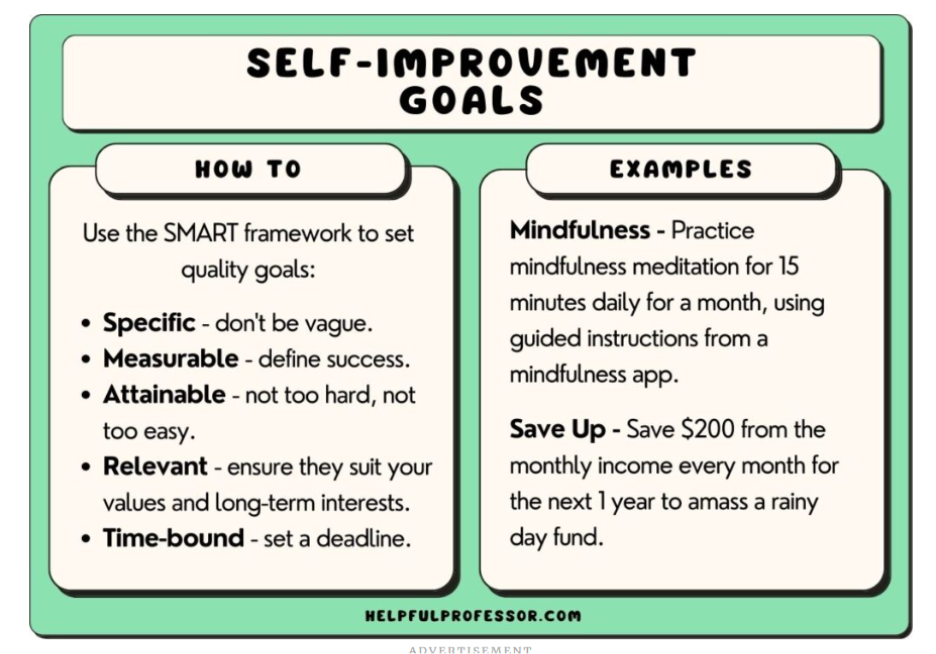
Goal Setting is a central component of Self-Development, but it is often misunderstood. Many individuals set goals based on external pressure or vague aspirations, such as wanting to be more successful or happier. Without clarity and structure, these goals rarely translate into sustained action.
Effective goal setting involves breaking down larger ambitions into specific, actionable steps. This is where the SMART goal framework becomes useful. SMART goals are Specific, Measurable, Achievable, Relevant, and Time-bound. Together, these elements help transform abstract intentions into practical plans.
For example, consider a working professional in Bengaluru who wants to improve work-life balance. Instead of setting a broad goal such as “I want to have more personal time,” a SMART goal would be: “I will leave the office by 7 pm on Mondays, Wednesdays, and Fridays for the next one month and use that time for a walk or family dinner.” This goal is specific about what needs to be done, measurable in terms of days and time, achievable within existing responsibilities, relevant to personal well-being, and bounded by a clear timeframe.
This level of clarity makes it easier to act on goals, even within demanding routines. It also reduces the guilt and frustration that often arise when expectations are unrealistic.
In India, where long working hours, extended family responsibilities, and academic pressures are common, anticipating obstacles is equally important. For instance, exam schedules, caregiving duties, or sudden work deadlines may disrupt plans. Preparing alternative options, such as rescheduling activities rather than abandoning them, helps maintain momentum.
💡Pro-Tip: Review goals monthly rather than daily. Monthly check-ins allow individuals to reflect on progress, recognise effort, and adjust strategies without unnecessary pressure or self-criticism.
Cultivating Emotional Wellbeing and Resilience
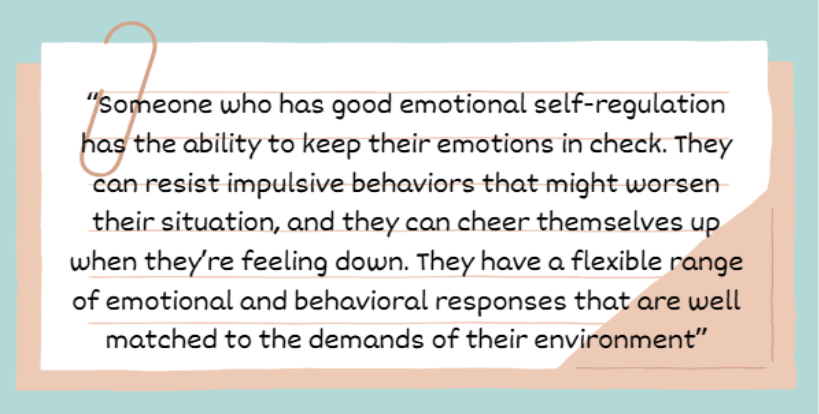
Emotional well-being is the foundation upon which all self-development efforts rest. Without emotional stability, even the most well-planned goals can feel exhausting or unachievable. Inner calm and self-regulation enable individuals to respond thoughtfully rather than react impulsively to life’s demands.
In many Indian households, emotional expression is often discouraged or misunderstood. People may be taught to prioritise resilience without learning to process emotions in a healthy way. Self-development creates space to acknowledge feelings, understand emotional triggers, and develop coping mechanisms.
Strategies for Managing Stress and Building Emotional Resilience
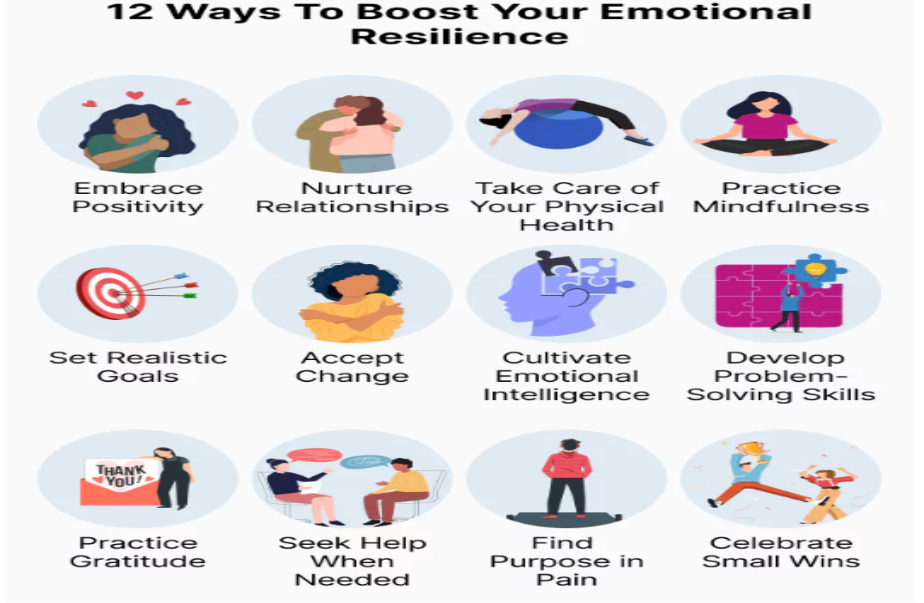
Stress is an inevitable part of modern life, but chronic stress can hinder personal growth and overall well-being. Emotional resilience refers to the ability to adapt, recover, and grow stronger in the face of adversity. A list of strategies that can help manage stress effectively has been shared below:
- Simple and consistent practices can significantly reduce daily stress. Regular physical activity, even a 20-minute walk, improves mood and mental clarity.
- Mindfulness practices such as focused breathing or short pauses between tasks help individuals stay present and grounded.
- Setting boundaries is another critical skill. For instance, a customer service executive in Bengaluru may benefit from clearly defined work hours and digital boundaries to prevent burnout.
- Equally important is social support. Speaking to trusted friends, family members, or mental health professionals provides perspective and emotional relief.
💡Pro-Tip: Identify one stress-reducing habit that feels realistic. Consistency matters more than intensity when building resilience.
Recommended Reads:
The Practice of Gratitude and Self-Compassion
Gratitude and self-compassion are often underestimated in self-development, yet they play a crucial role in sustaining Emotional Wellbeing. Gratitude involves consciously acknowledging positive aspects of life, even during challenging times. Self-compassion means treating oneself with kindness rather than harshly criticizing oneself when things do not go as planned.
For example, a working parent who feels guilty about missing a school event because of work commitments can practise self-compassion by recognising their efforts rather than focusing solely on perceived shortcomings.
Gratitude journaling, even for five minutes a day, helps shift attention from constant problem-solving to appreciation.
These practices reduce emotional exhaustion and foster a more balanced inner dialogue, supporting long-term personal growth.
💡Pro-Tip: Write down three small things that went well each day. Over time, this habit rewires the mind to notice progress rather than perfection.
Enhancing Interpersonal Skills: Communication and Connection
Personal Growth is not limited to individual achievements. Relationships play a significant role in overall well-being and success. Whether at home or at work, strong interpersonal skills enhance collaboration, reduce conflict, and improve emotional health.
Consider a typical Indian workplace scenario. A team member in a mid-sized organisation may hesitate to speak up during meetings, even when they have valuable ideas, due to hierarchical structures or fear of appearing disrespectful. Over time, this silence can lead to frustration, miscommunication, and missed opportunities for both the individual and the team. On the other hand, a manager who encourages open dialogue and listens without judgement builds trust and psychological safety within the team.
In collectivist cultures like India, relationships are deeply intertwined with identity and professional roles. Many individuals are taught to prioritise harmony and avoid confrontation, often at the cost of their own needs. Learning to communicate clearly while maintaining personal boundaries is, therefore, a key aspect of self-development. When individuals express themselves with respect and empathy, they strengthen relationships without compromising their well-being.
Strong communication and connection skills help individuals navigate workplace dynamics more confidently, collaborate effectively, and build relationships that support long-term Personal Growth.
Mastering Rapport Building and Active Listening
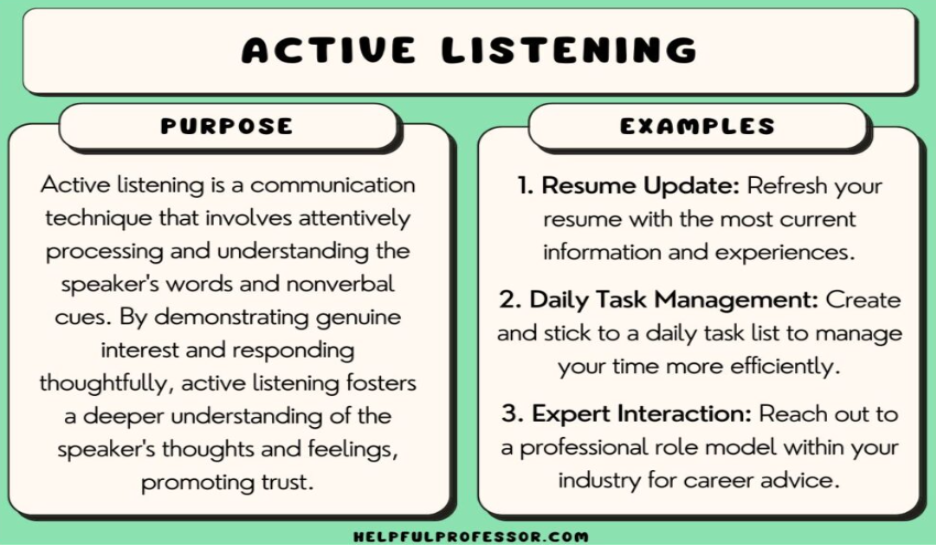
Rapport Building is the ability to create trust, comfort, and connection in interactions. It involves empathy, attentiveness, and genuine interest in others. Active listening is the foundation of rapport, as it allows individuals to understand not just words, but emotions and intentions.
In a workplace setting, a manager who listens attentively to team concerns fosters trust and engagement. In personal relationships, active listening reduces misunderstandings and strengthens emotional bonds.
Simple techniques such as maintaining eye contact, acknowledging feelings, and summarising what the other person has said can significantly improve the quality of communication.
💡Pro-Tip: Listen to understand, not to respond. Pausing before replying shows respect and improves clarity in conversations.
Recommended Read:
Developing Assertive Communication Skills
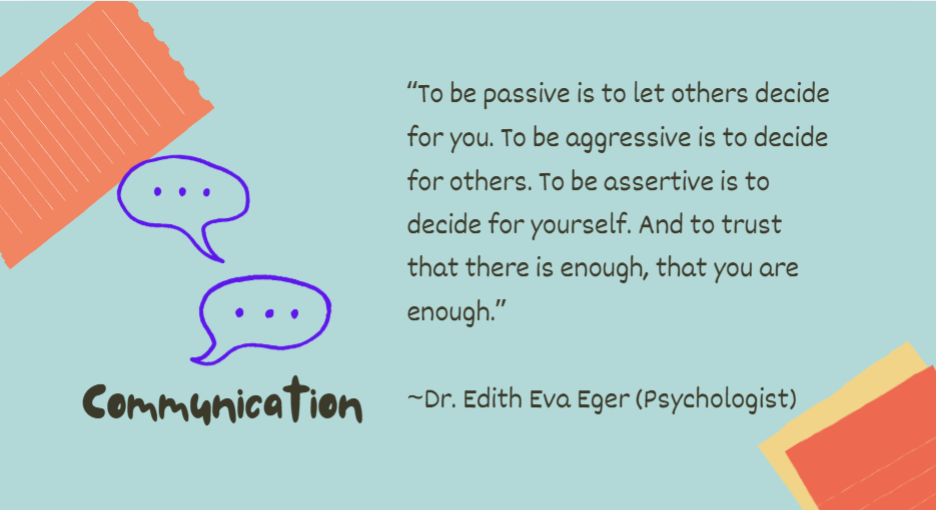
Assertive Communication is a powerful Self-Improvement tool that helps individuals express needs, opinions, and boundaries respectfully. It differs from passive communication, in which needs are suppressed, and from aggressive communication, in which others’ needs are ignored.
For example, an employee who feels overwhelmed by workload can assertively communicate by stating their capacity and requesting prioritisation, rather than silently struggling or reacting angrily. Assertiveness reduces emotional stress and prevents resentment from building over time.
In Indian workplaces, where hierarchy can make open communication challenging, learning to assert oneself supports healthier professional relationships and personal confidence.
💡Pro-Tip: Use “I” statements, such as “I feel stretched when deadlines overlap,” to express concerns without blame.
Recommended Read:
Integrating Self-Development into Everyday Life
Self-development does not require drastic lifestyle changes. It thrives on small, consistent actions integrated into daily routines. Reading one reflective article a week, practising mindful pauses, or setting realistic personal goals all contribute to meaningful progress.
For many people in India, daily life is structured around work schedules, family responsibilities, commuting, and social obligations. In such a context, self-development works best when it fits naturally into existing routines. A working professional may practise mindful breathing during a commute, while a parent might use early mornings or quiet evenings to journal or reflect. Even brief moments of intentional pause can improve emotional clarity and reduce stress over time.
It is also important to recognise that personal growth looks different for everyone. Some individuals may focus on career advancement, while others prioritise emotional balance, communication skills, or self-confidence. Comparing one’s progress with others, especially through social media or workplace benchmarks, often leads to self-doubt and discouragement. Sustainable growth comes from aligning actions with personal values rather than external expectations.
Equally important is the role of support systems in sustaining self-development. Growth becomes easier when individuals feel supported, guided, and understood. Access to professional guidance, such as counselling or coaching, provides a safe space to explore challenges, build self-awareness, and develop healthier coping strategies. Structured wellbeing programmes, particularly in workplaces, also help normalise conversations around mental health and personal growth.
In the Indian workplace, Employee Assistance Programmes can play a crucial role by offering confidential support, practical tools, and expert guidance. When organisations encourage self-development, individuals are more likely to stay engaged, resilient, and emotionally balanced.
💡Pro-Tip: Self-development is not about perfection, but consistency. Being kind to oneself in making choices for long-term growth and well-being is crucial.
Recommended Reads:
Start Your Self-Development Journey Today
Self-Development is a meaningful investment in long-term wellbeing, clarity, and fulfilment. It is not about fixing oneself or striving for constant improvement, but about understanding what truly supports a balanced and purposeful life. This article offers practical insights, evidence-informed strategies, and relatable perspectives that support Personal Growth across different life stages and roles.
Readers are encouraged to engage with the ideas shared here at their own pace and reflect on how small, intentional changes can create lasting impact. Growth often begins quietly, through awareness, reflection, and consistent effort rather than dramatic transformation.
Through its Employee Assistance Programme, 1to1help supports Emotional Wellbeing and Self-Development in the workplace by providing access to professional guidance, structured support, and safe spaces for self-reflection. This support enables individuals to navigate challenges with greater confidence and emotional balance.
💡Pro-Tip: Personal growth begins with one conscious step, taken when one feels ready.
FAQs
Q1. What does self-development really mean in everyday life?
Self-development refers to the ongoing process of understanding oneself, building skills, and making choices that support personal growth and emotional well-being. In everyday life, this may involve setting realistic goals, improving communication, managing stress better, or developing healthier habits that align with personal values.
Q2. How can someone start self-development when life already feels busy?
Self-development does not require major lifestyle changes. It often begins with small, consistent actions such as reflecting for a few minutes each day, setting one clear goal, or practising mindful pauses during routine activities. Integrating these habits into daily life makes growth more sustainable, even with busy schedules.
Q3. Why is emotional well-being important for personal growth?
Emotional well-being provides the stability needed to cope with challenges, make thoughtful decisions, and maintain motivation. When individuals manage stress effectively and practise self-compassion, they are better equipped to pursue personal and professional growth without burnout or emotional exhaustion.
Q4. How does goal-setting support self-development?
Goal setting brings clarity and direction to self-development. When goals are specific, realistic, and time-bound, individuals are more likely to take consistent action. Structured approaches such as SMART goals help turn intentions into achievable steps, especially in demanding work or family environments.
Q5. How can workplace support contribute to self-development?
Workplace support, such as Employee Assistance Programmes, provides access to professional guidance, counselling, and wellbeing resources. This support helps individuals build self-awareness, improve coping skills, and manage work-related stress, contributing to overall self-development and emotional balance.
References
- Asana. (n.d.). SMART goals: How to make your goals achievable. https://asana.com/resources/smart-goals
- Berkeley Well-Being Institute. (n.d.). Self-development: The 9 skills you need to improve your life. https://www.berkeleywellbeing.com/self-development-the-9-skills-you-need-to-improve-your-life.html
- Centers for Disease Control and Prevention. (n.d.). About emotional well-being. https://www.cdc.gov/emotional-well-being/about/index.html
- Clockster. (n.d.). Self-development. https://www.clockster.com/en/blog/self-development
- HelpGuide. (n.d.). Gratitude: How it can change your life. https://www.helpguide.org/mental-health/wellbeing/gratitude
- LearnLife. (n.d.). Developing a growth mindset. https://blog.learnlife.com/developing-a-growth-mindset
- Life Next Level. (n.d.). The ultimate guide to personal growth: How to improve yourself and live a better life. https://lifenextlevel.com/blog/the-ultimate-guide-to-personal-growth-how-to-improve-yourself-and-live-a-better-life/
- Mayo Clinic. (n.d.). Stress management. https://www.mayoclinic.org/healthy-lifestyle/stress-management/in-depth/stress/art-20046037
- Mindful. (n.d.). What is mindfulness? https://www.mindful.org/what-is-mindfulness/
- PositivePsychology.com. (n.d.). Self-regulation: Definition, skills, and strategies. https://positivepsychology.com/self-regulation/#what-is-self-regulation
- PositivePsychology.com. (n.d.). Setting healthy boundaries. https://positivepsychology.com/great-self-care-setting-healthy-boundaries/
- Positivity Blog. (n.d.). Personal development and growth. https://www.positivityblog.com/
- Psychology Today. (2017). Growth mindset vs. fixed mindset. https://www.psychologytoday.com/us/blog/meditation-modern-life/201709/growth-mindset-vs-fixed-mindset
- Self-Compassion. (n.d.). What is self-compassion? https://self-compassion.org/what-is-self-compassion/
- Spiritual Research Foundation. (n.d.). Self-awareness and personality improvement. https://www.spiritualresearchfoundation.org/spiritual-practice/steps-of-spiritual-practice/personality-defect-removal-and-improvement/self-awareness/
- Verywell Mind. (n.d.). What is active listening? https://www.verywellmind.com/what-is-active-listening-3024343


.svg)
.svg)
.svg)
.svg)