


.png)


.png)

Mental Health Concerns
Bipolar Disorder

.png)
Written by
Aarohi Parakh,
Psychologist and Content Writer

Reviewed by
Sanjana Sivaram,
Psychologist and Clinical Content Head


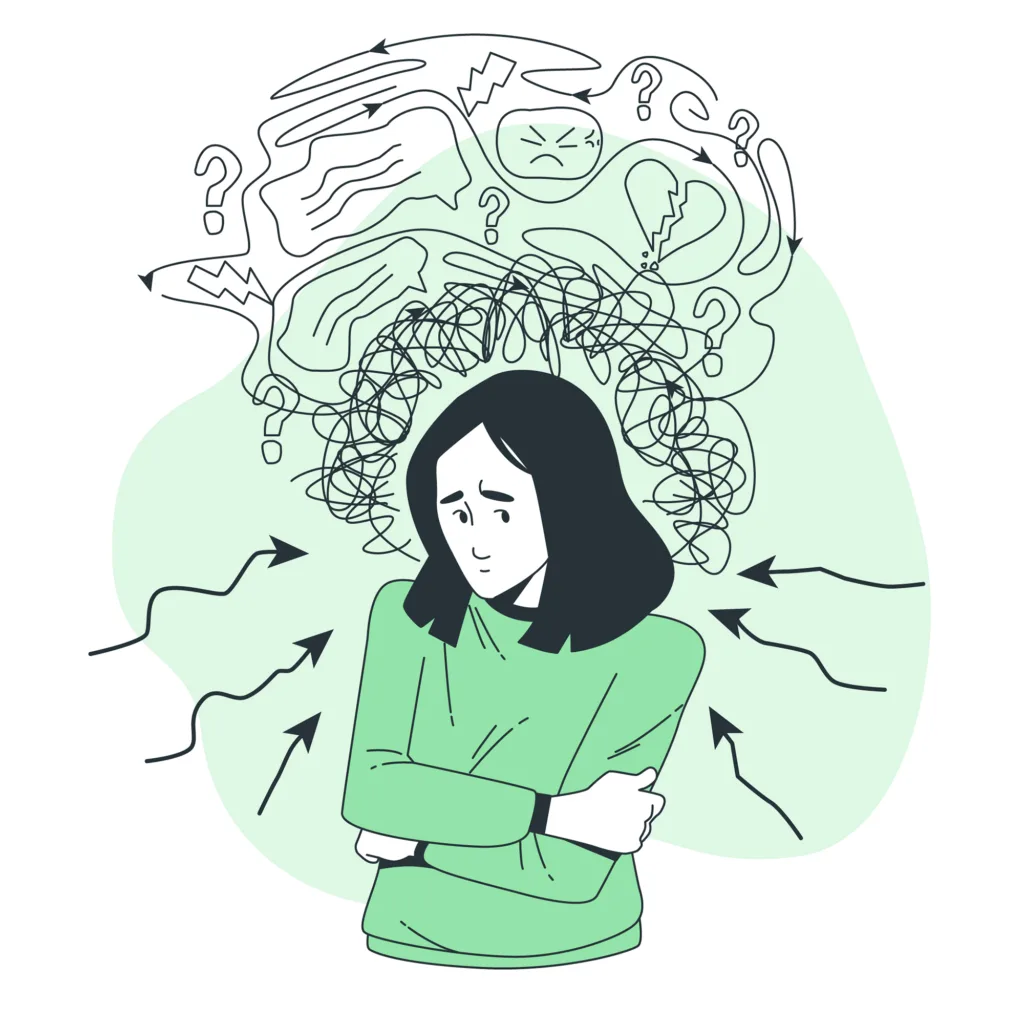
Bipolar disorder is a mental health condition characterized by extreme mood swings, ranging from manic highs to depressive lows. It affects millions of people worldwide, causing disruptions in their daily lives and relationships. Living with bipolar disorder can be challenging, but it is important to remember that there is hope and strength to be found in the struggle.
Understanding Bipolar Disorder Symptoms
Bipolar disorder symptoms can vary from person to person, but they generally fall into two categories: manic and depressive episodes. During manic episodes, individuals may experience an elevated mood, increased energy levels, racing thoughts, and impulsive behaviour. On the other hand, depressive episodes are marked by feelings of sadness, low energy, loss of interest in activities, and changes in appetite and sleep patterns.
Recognizing these symptoms is crucial for both individuals with bipolar disorder and their loved ones. By understanding the signs, it becomes easier to seek appropriate treatment and support.
Causes of Bipolar Disorder
The exact causes of bipolar disorder are still not fully understood. However, research suggests that a combination of genetic, biological, and environmental factors may contribute to its development. People with a family history of bipolar disorder are more likely to be affected by the condition. Additionally, imbalances in certain brain chemicals, such as dopamine and serotonin, can also play a role in its onset.
While the exact causes may be complex, it is important to remember that bipolar disorder is not a result of personal weakness or character flaws. It is a legitimate medical condition that can be managed with the right support and treatment.
Diagnosis and Treatment of Bipolar Disorder
Receiving a diagnosis of bipolar disorder can be a deeply personal and emotional experience. It’s crucial to approach this journey with empathy and understanding, recognizing the challenges and uncertainties that come with it. When you or someone you care about is diagnosed with this disorder, it’s important to seek support from mental health professionals who genuinely care about your well-being.
The diagnostic process involves opening up about your symptoms, medical history, and family history, which can be difficult and overwhelming. Mental health professionals understand the weight of these conversations and provide a safe space where you can freely express yourself. They are there to listen to your unique story and offer guidance with compassion.
After a diagnosis, remember that you are not alone in this journey. Treatment options, such as medications, therapy, and lifestyle changes, can help you manage bipolar disorder and regain control of your life. Medications, prescribed by healthcare providers who truly care, aim to stabilize your mood and alleviate symptoms. Engaging in therapy, guided by compassionate professionals, offers a supportive environment where you can develop coping mechanisms and strategies to navigate the challenges it presents. Additionally, making lifestyle changes, such as establishing a regular sleep schedule, engaging in regular exercise, and managing stress, contributes to your overall well-being.
Throughout this process, it’s important to remember that you are more than your diagnosis. Bipolar disorder is just one aspect of who you are as a person. With the right support, self-care, and understanding, you can lead a fulfilling life. Reach out to loved ones, seek out support groups, and surround yourself with empathetic individuals who will walk alongside you on this journey. Your emotions and experiences matter, and there are professionals ready to provide the empathy and support you need to navigate this path towards hope, stability, and happiness.
Tips and Coping Mechanisms
Living with bipolar disorder can be a unique and challenging experience, and it’s important to tailor coping mechanisms and tips to suit individual needs. Here are some specific tips that can be helpful:
- Recognize Your Early Warning Signs: Take the time to understand your personal triggers and early warning signs of mood swings. It could be changes in sleep patterns, irritability, increased energy, or withdrawal. By becoming familiar with these signs, you can take proactive steps to manage your mood before it escalates. This might include reaching out to your support network, adjusting your medication as prescribed, or incorporating stress-reducing techniques.
- Develop a Wellness Toolbox: Create a personalized toolkit of coping mechanisms and activities that help you maintain balance and manage your symptoms. This could include engaging in regular exercise, practising relaxation techniques such as deep breathing or meditation, exploring creative outlets like art or writing, or finding solace in nature. Experiment with different strategies and identify what works best for you, so you can have an accessible toolbox to turn to during challenging times.
- Communicate with Your Support Network: Openly communicate with your loved ones, friends, and mental health professionals about your experiences, needs, and concerns. Share what they can do to support you during different phases of your mood swings. Having a supportive network that understands your condition and can provide both emotional and practical support can make a significant difference in your overall well-being.
- Stick to a Consistent Daily Routine: Establishing a structured daily routine can provide stability and help manage bipolar symptoms. Aim for regular sleep patterns, including waking up and going to bed at consistent times. Plan your days to include a balance of activities, such as work or school, hobbies, social interactions, and self-care. Consistency in your routine can help regulate your mood and minimize potential disruptions.
- Collaborate with Your Healthcare Team: Work closely with your healthcare professionals, including psychiatrists, therapists, and counsellors. Be open and honest about your experiences, treatment preferences, and any concerns you may have. Collaboratively develop a treatment plan that addresses your specific needs and goals. Regularly check in with your healthcare team to track your progress, make adjustments if necessary, and ensure that you have ongoing support.
Supporting Loved Ones
Supporting a loved one with bipolar disorder can be both challenging and rewarding. Here are some ways to provide support:
- Validate Their Feelings: Let your loved one know that their emotions are valid and understood. Say something like, “I can see that you’re feeling overwhelmed right now, and it’s completely understandable given what you’re going through. I’m here to support you and listen whenever you need to talk.”
- Offer Non-Judgmental Support: Create a safe space for your loved one to express themselves without fear of judgment. Assure them that they can be open and honest with you without facing criticism or stigma. Share something like, “I want you to know that I’m here for you, no matter what. You can talk to me without worrying about being judged. I genuinely care about your well-being.”
- Be a Patient Listener: Practice active listening and avoid interrupting or rushing the conversation. Show genuine interest in what they have to say and provide your undivided attention. Reassure them by saying, “I’m here to listen to you. Take all the time you need. Your feelings and experiences matter, and I’m here to support you through it all.”
- Offer Practical Assistance: Show your willingness to help with practical tasks that may feel overwhelming for your loved one during episodes. For example, you could say, “I understand that certain tasks can be challenging right now. How about I come over and help you with some cleaning or cooking? It’s important to me that you have the support you need.”
- Educate Yourself Together: Take the initiative to learn about bipolar disorder alongside your loved one. Suggest researching reputable sources, attending support groups together, or even reading books or articles on the topic as a way to deepen your understanding. Express your commitment by saying, “Let’s learn more about bipolar disorder together. I want to understand what you’re going through and be a better source of support. We can explore resources and learn side by side.”
Remember, everyone’s experience with bipolar disorder is unique, so adapting these tips to suit your loved one’s specific needs and preferences is crucial. By providing empathetic support, you can help create a compassionate environment where they feel understood, valued, and supported on their journey towards wellness.
Gain Valuable Insights into This Mental Health Condition
By gaining valuable insights into bipolar disorder, we can break down the stigma surrounding mental health and foster a more compassionate and inclusive society. Education and understanding are powerful tools that can help individuals with bipolar disorder feel supported and accepted.
The more we learn about bipolar disorder, the better equipped we are to provide the necessary support and resources to those who need it most. Together, we can create a world where mental health is prioritized and no one feels alone in their struggle.
The Stigma Surrounding Bipolar Disorder
Unfortunately, there is still a significant amount of stigma surrounding mental health conditions. Many people hold misconceptions and stereotypes, which can lead to discrimination and exclusion. It is essential to challenge these stigmas and promote a more compassionate and empathetic understanding of bipolar disorder.
Education and open conversations about mental health can help break down these barriers. By sharing personal stories and experiences, we can humanize bipolar disorder and showcase the strength and resilience of individuals living with this condition.
Nisha’s story of coping with Bipolar Disorder
In order to shed light on the journey of someone living with bipolar disorder, let us share the story of Nisha, a remarkable woman who has faced and overcome numerous challenges.
Nisha was diagnosed with bipolar disorder in her early twenties after experiencing periods of extreme highs and lows. Initially, her diagnosis was overwhelming, and she struggled to accept her condition. However, with the support of her loved ones and a dedicated treatment plan, she began to find her strength in the struggle.
Nisha worked closely with her psychiatrist to find the right combination of medications that helped stabilize her moods. She also engaged in therapy, where she learned coping mechanisms to manage her symptoms and navigate the ups and downs of bipolar disorder.
Today, Nisha is an advocate for mental health and shares her story to inspire others. She is proof that with the right support and treatment, individuals living with bipolar disorder can lead fulfilling and meaningful lives.
Resources for Individuals with Bipolar Disorder and Their Families
If you or someone you know is living with bipolar disorder, there are numerous resources available to provide support and guidance. Here are a few:
- 1to1help: India’s leading Employee Assistance Program (EAP) service provider, 1to1help, offers a variety of programs to support organizations in improving employee well-being. We provide valuable resources and assistance for individuals and their families dealing with bipolar disorder.
- National Alliance on Mental Illness (NAMI): NAMI offers a wealth of information, support groups, and educational programs for individuals with bipolar disorder and their families. They have local chapters across the United States that provide resources and connections to local services.
- Mental Health America (MHA): MHA provides a range of resources and tools for individuals living with bipolar disorder, including online screenings, educational materials, and support groups.
These are just a few examples of the many resources available. It is important to reach out and seek support to ensure the well-being and overall quality of life of individuals with bipolar disorder and their families.
Conclusion
Living with bipolar disorder can be challenging, but it is not an insurmountable obstacle. By understanding the symptoms, causes, and treatment options, individuals with bipolar disorder can find the strength to navigate their journey and thrive.
Support from loved ones and access to resources is vital in this process. By promoting empathy, understanding, and education, we can break down the stigma surrounding bipolar disorder and create a more inclusive society.
Remember, there is hope and strength to be found in the struggle. Together, we can support and uplift individuals living with bipolar disorder, celebrating their resilience and inspiring others to find their own strength.


.svg)
.svg)
.svg)
.svg)