


.png)


.png)

Personal Growth & Well Being
Nutrition for Your Immune System: 15 Key Nutrients and the Best Indian Foods to Get Them
.png)
Written by
Aarohi Parakh,
Psychologist and Content Writer

Reviewed by
Sanjana Sivaram,
Psychologist and Clinical Content Head


Introduction
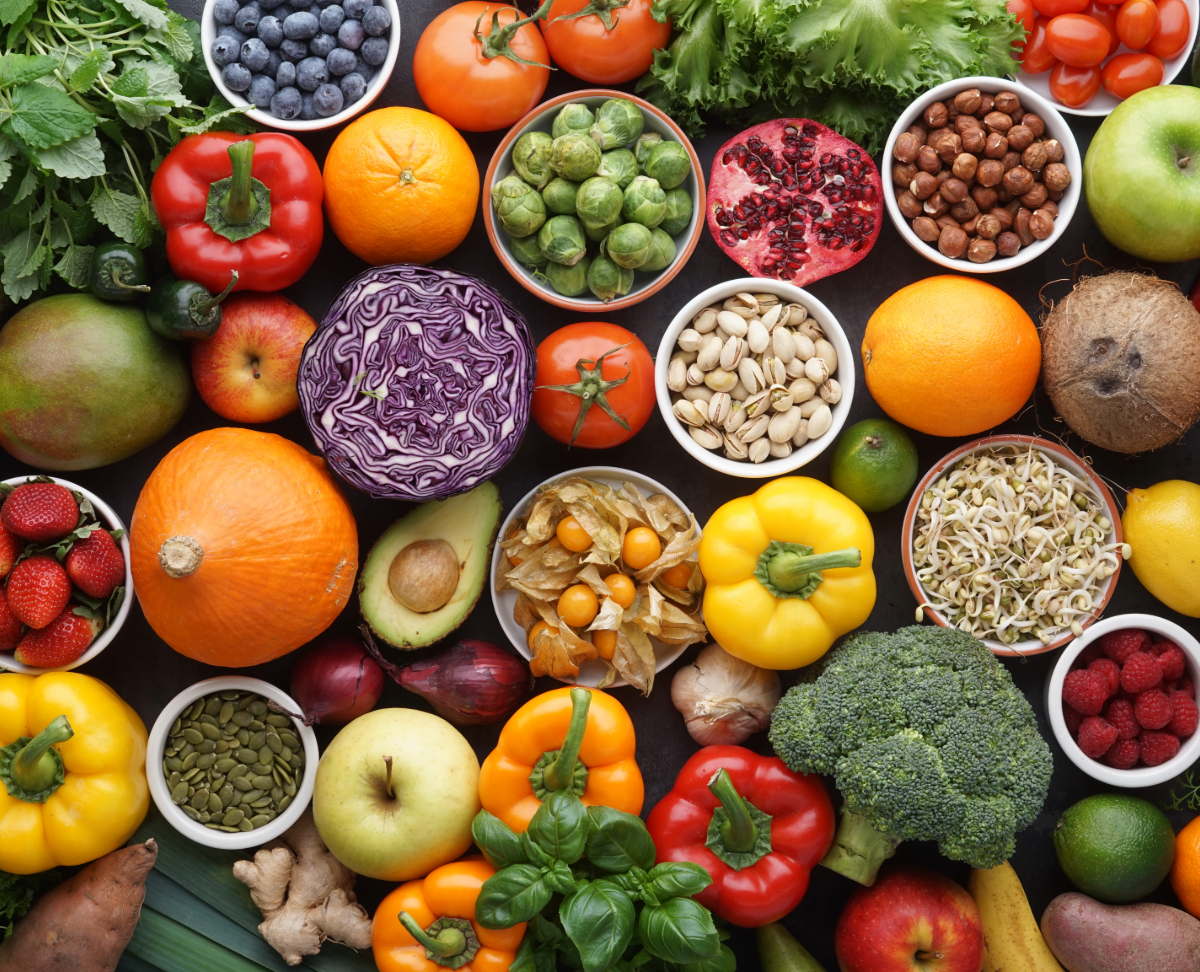
Your immune system works around the clock, whether you notice it or not. It helps protect your body from viruses, bacteria, and other everyday health challenges. Like the rest of your body, it needs the right nutrition to function effectively. While many factors influence your immune health, including age, underlying health conditions, and lifestyle, eating a balanced diet gives your body the nutrients it needs to support normal immune function.
That is where nutrition for immune system health matters. While no single food, supplement, or morning drink can make you “immune” to illness, a varied and balanced diet can provide the vitamins, minerals, and other nutrients your immune cells need to do their job.
The good news? Supporting immunity does not always require expensive supplements or exotic superfoods. Many everyday Indian foods, from dal and dahi to amla, palak, nuts, and seeds, can contribute valuable nutrients to an immune-supportive diet.
This guide explores 15 key nutrients for a strong immune system, where to find them in Indian foods, the role of gut health, traditional Ayurvedic ingredients, foods worth limiting, and a practical daily meal plan you can actually follow.
Why Nutrition Is the Foundation of a Strong Immune System
Think of your immune system as your body’s round-the-clock defence network. It has two main layers working together.
Innate immunity is your rapid first line of defence. Your skin, mucous membranes, and certain immune cells respond quickly when they detect something potentially harmful. Adaptive immunity is more specialised. It learns to recognise specific threats and develops targeted responses, including immune memory that can help the body respond more effectively when it encounters the same pathogen again.
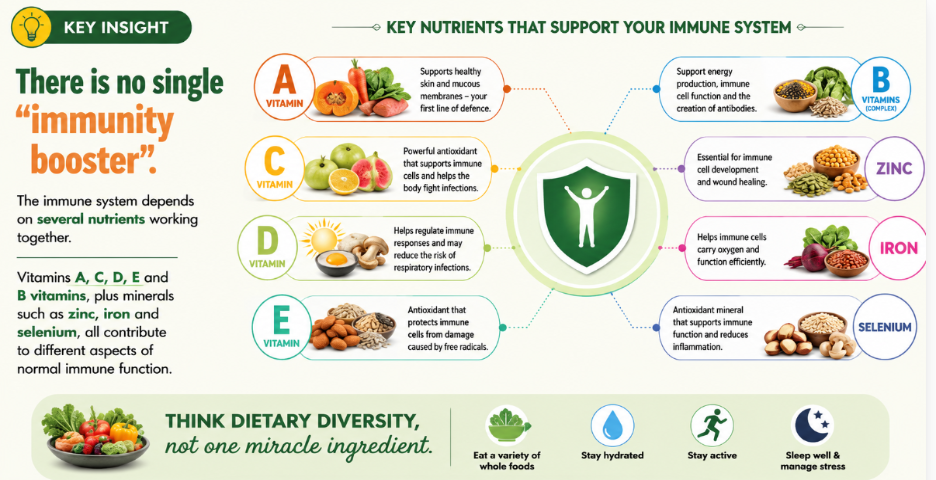
Both systems need adequate nutritional support. Vitamins A, C, D, E, and several B vitamins, along with minerals such as zinc, iron, and selenium, are involved in maintaining physical barriers, producing and regulating immune cells, and supporting normal immune responses.
Immunity Needs More Than a Vitamin C Fix
When a cold starts making its way around the office or family WhatsApp groups begin recommending home remedies, it can be tempting to reach immediately for Vitamin C tablets or an extra glass of lemon water.
Vitamin C certainly plays an important role in immune function, but immunity is not powered by one nutrient alone. Research suggests that multiple micronutrients work together across different stages of the immune response. A deficiency in one or more of these nutrients may affect how effectively the immune system functions.
So, while nimbu pani can be part of a healthy diet, it is not an invisible shield against infection. The bigger picture matters: dietary variety, adequate protein intake, fruits and vegetables, whole grains, healthy fats, and sufficient micronutrient intake.
Your Gut Is Part of the Immunity Story Too
What you eat also influences the trillions of microorganisms living in your digestive tract, collectively known as the gut microbiome.
Research estimates that 70-80% of the body’s immune cells are associated with the gut, highlighting the close relationship between gut health and immunity. A diverse, fibre-rich diet, along with fermented foods such as dahi and traditional fermented preparations, may help support a healthier gut microbial environment.
This means that feeding your gut well may also be one part of supporting your body’s wider immune defences.
Why This Matters Particularly in India
India faces a somewhat complex nutritional picture. Plenty of sunshine does not automatically translate into adequate Vitamin D, and a vegetable-rich diet does not always guarantee sufficient iron or Vitamin B12.
Studies across different Indian populations have reported a high prevalence of Vitamin D deficiency, although estimates vary considerably by age, region, lifestyle, and the thresholds used to define deficiency. Anemia also remains a major public health concern in India, with iron deficiency as an important nutritional contributor.
These gaps matter because nutrients such as Vitamin D and iron support normal immune function. However, more is not always better. Taking high-dose supplements without identifying an actual deficiency may be unnecessary and, in some cases, harmful.
The more sustainable approach is usually to build a varied dietary pattern that regularly supplies the nutrients your body needs, while seeking professional advice when a deficiency is suspected.
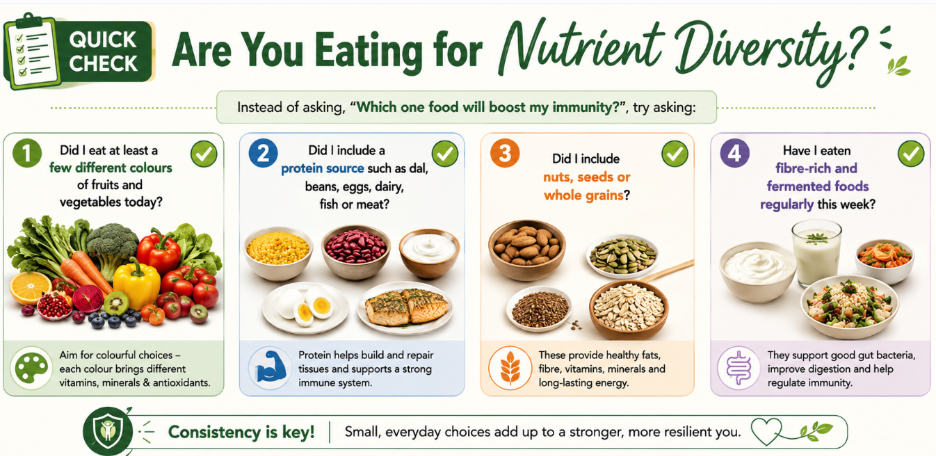
The key is variety. So, which nutrients deserve a regular place on your plate? Here are 15 nutrients your immune system depends on, and the best Indian foods to help you get them.
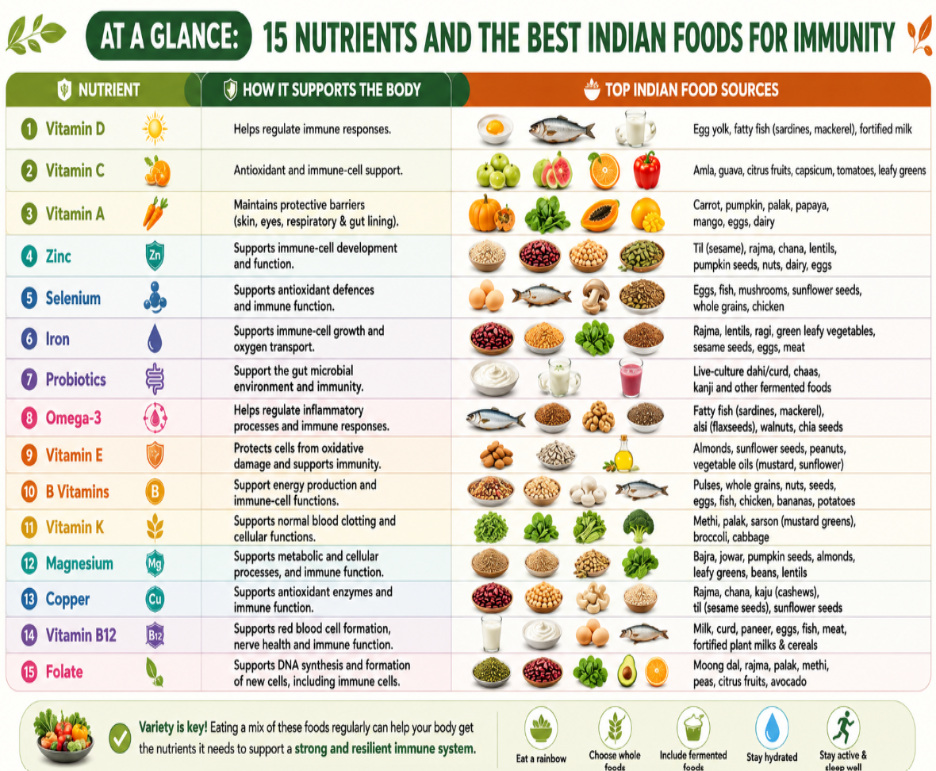
15 Nutrients That Power Your Immune System, With the Best Indian Foods for Immunity
No single nutrient works alone to support immunity. Different vitamins, minerals, healthy fats and beneficial microorganisms contribute to immune-cell function, protective barriers and the regulation of inflammation.
The simplest approach? Aim for variety. Here are 15 important nutrients and food components, along with some of the best Indian foods for immunity.
1. Vitamin D: The Sunshine Vitamin
Vitamin D helps regulate both innate and adaptive immune responses. Low levels may affect normal immune function, and deficiency has been reported across many population groups in India despite abundant sunshine.
Best Indian food sources: Egg yolks, fatty fish such as sardines and mackerel, fortified milk and fortified foods. Sunlight exposure also helps the body produce Vitamin D.
💡 Worth Knowing: Vitamin D needs vary with factors such as skin tone, lifestyle and sun exposure. If deficiency is suspected, testing and professional guidance may be more useful than self-prescribing high-dose supplements.
2. Vitamin C: More Than Just Oranges
Vitamin C acts as an antioxidant, supports immune-cell function and helps maintain the body’s protective barriers. However, taking more Vitamin C does not automatically mean stronger immunity.
Best Indian food sources: Amla, guava, citrus fruits, capsicum, tomatoes and green leafy vegetables.
Amla and guava are particularly nutrient-rich local options.
💡 Smart Pairing: Combine Vitamin C-rich foods with plant sources of iron. A squeeze of lemon over dal or chana, for example, may help the body absorb non-haem iron more effectively.
3. Vitamin A: Your Body’s Barrier Support
Vitamin A helps maintain the skin and tissues lining the respiratory and digestive tracts, which form part of the body’s first line of defence. It also supports the normal development and function of immune cells.
Best Indian food sources: Gajar (carrot), kaddu (pumpkin), shakarkand (sweet potato), palak (spinach), papaya, mango, eggs and dairy.
🥕 Easy Plate Rule: Rotate orange, yellow, and dark-green vegetables throughout the week to naturally increase dietary variety.
4. Zinc: Small Mineral, Important Job
Zinc supports the development and normal functioning of immune cells. Inadequate intake can interfere with normal immune responses.
Best Indian food sources: Til (sesame), pumpkin seeds, rajma, chana, lentils, cashews, dairy, eggs, meat, and seafood.
Plant-based zinc can be less readily absorbed because compounds called phytates occur naturally in grains and pulses. Traditional methods such as soaking, sprouting and fermenting may help improve mineral availability.
5. Selenium: A Little Goes a Long Way
Selenium is a trace mineral that contributes to antioxidant protection and normal immune function. The body needs only small amounts, and excessive supplementation can be harmful.
Best Indian food sources: Eggs, fish, chicken, whole grains, mushrooms, and sunflower seeds.
Selenium levels in plant foods vary with soil conditions, making a varied diet a more practical approach than relying heavily on a single food or supplement.
💡 Everyday Idea: A small handful of mixed seeds, an egg at breakfast, or whole grains incorporated into regular meals can provide selenium along with several other useful nutrients.
6. Iron: Essential for More Than Energy
Iron supports oxygen transport as well as the growth and function of immune cells. Low iron levels can contribute to fatigue and may affect normal immune responses.
Anaemia remains a significant health concern in India, although it can have several causes beyond iron deficiency.
Best Indian food sources: Rajma, chana, lentils, ragi, green leafy vegetables, sesame seeds, eggs and meat.
🌿 For Better Absorption: Pair plant-based iron with Vitamin C. Think palak with lemon, rajma with tomato salad, or chana chaat with nimbu. Tea and coffee with meals may reduce non-haem iron absorption.
7. Probiotics: Supporting Immunity Through the Gut
The gut microbiome communicates closely with the immune system. Probiotics are beneficial live microorganisms that, when consumed in adequate amounts, may help support a healthy gut microbial environment.
Indian sources: Dahi or curd containing live cultures, chaas and traditional fermented drinks such as kanji.
Fermented foods such as idli and dosa can contribute to dietary diversity and digestibility, although cooking means they should not automatically be considered sources of live probiotics.
Note: Not all commercially available curd or fermented foods necessarily contain the same live cultures or probiotic strains
🥣 Gut-Friendly Tip: Combine fermented foods with fibre-rich fruits, vegetables, pulses, and whole grains, which help nourish beneficial gut bacteria.
8. Omega-3 Fatty Acids: Helping Regulate Inflammation
Omega-3 fatty acids are involved in pathways that help regulate inflammation and support normal immune-cell function. The most biologically active forms, EPA and DHA, are mainly found in fatty fish. Plant foods provide alpha-linolenic acid (ALA), which the body can convert into EPA and DHA, although this conversion is relatively limited.
Best Indian food sources: Fatty fish such as sardines, mackerel and Indian salmon, along with vegetarian sources such as alsi (flaxseeds), walnuts and chia seeds.
💡 For Vegetarian Diets: Try adding freshly ground flaxseeds to atta, oats, smoothies or curd. Grinding flaxseeds makes their nutrients easier to access than eating the seeds whole.
A strong dietary pattern is built through what you eat consistently, not through a single immunity shot, supplement, or superfood.
9. Vitamin E: Antioxidant Protection
Vitamin E is a fat-soluble antioxidant that helps protect cell membranes from oxidative damage and supports normal immune-cell function. Because it is fat-soluble, so your body absorbs it better when eaten with healthy fats.
Best Indian food sources: Almonds, sunflower seeds, peanuts, mustard oil and other vegetable oils.
💡 Easy Addition: A small handful of unsalted nuts or seeds makes a nutrient-dense snack while contributing Vitamin E, healthy fats and other minerals.
10. B Vitamins: Supporting Immune Cell Function
B vitamins help the body convert food into energy and support processes involved in producing and maintaining healthy cells. Vitamin B6, in particular, contributes to normal immune function and the formation of antibodies.
Best Indian food sources: Chickpeas, bananas, potatoes, whole grains, nuts, seeds, eggs, fish and chicken.
Rather than focusing on one B vitamin, eating a varied diet across whole grains, pulses, vegetables and protein sources can help provide a broader B-vitamin profile.
11. Vitamin K: More Than a Blood-Clotting Vitamin
Vitamin K is best known for its role in normal blood clotting and bone health, but emerging research also suggests links with inflammatory and immune processes. More research is needed before describing it as a direct “immunity booster”.
Best Indian food sources: Methi leaves, palak, sarson ka saag, broccoli and cabbage.
🥬 Simple Rule: Regularly rotate different green leafy vegetables rather than relying on the same one every day.
12. Magnesium: Supporting Hundreds of Body Processes
Magnesium participates in hundreds of biochemical reactions, including those involved in energy production, muscle and nerve function, and regulation of inflammatory processes. Inadequate intake may therefore affect overall health and indirectly influence immune resilience.
Best Indian food sources: Bajra, jowar, dark leafy greens, pumpkin seeds, almonds, cashews, beans and lentils.
Traditional millets can be an easy way to diversify grain intake while adding magnesium, fibre and other micronutrients.
13. Copper: Small Amounts, Essential Functions
Copper is a trace mineral involved in energy production, iron metabolism, antioxidant defence and normal immune function. Deficiency is uncommon in people eating a varied diet, so supplements are rarely necessary unless medically advised.
Best Indian food sources: Rajma, chana, kaju (cashews), til (sesame seeds), sunflower seeds and whole grains.
A varied Indian diet containing pulses, nuts and seeds can generally provide useful amounts alongside several other immune-supporting nutrients.
14. Vitamin B12: Particularly Important for Vegetarian Diets
Vitamin B12 supports red blood cell formation, DNA synthesis and healthy nervous-system function, while also contributing to normal immune processes.
Because B12 occurs naturally mainly in animal-derived foods, people following vegetarian or vegan diets may be at greater risk of inadequate intake.
Best sources: Milk, curd, paneer, eggs, fish, meat and appropriately fortified foods or plant milks.
💡 Worth Checking: Persistent fatigue, weakness, or tingling can have many causes, including B12 deficiency. Rather than self-supplementing, consider speaking with a healthcare professional about whether testing is appropriate.
15. Folate: Helping the Body Build New Cells
Folate, or Vitamin B9, is essential for DNA synthesis and the formation of new cells, including rapidly dividing immune cells. Adequate intake is therefore important for normal immune and blood-cell function.
Best Indian food sources: Moong dal, rajma, chana, palak, methi, broccoli, peas, citrus fruits and avocado.
Because prolonged cooking can reduce folate levels in some foods, combining cooked pulses and vegetables with fresh produce can help diversify dietary sources.
💡 KEY TAKEAWAY
You do not need to eat all 15 nutrients at every meal. Instead, build variety across the week. A plate containing dal or another protein source, colourful vegetables, whole grains, curd and a small portion of nuts or seeds may naturally deliver several vitamins and minerals for immunity at once.
Food works as a team, and your diet should too.
Ayurvedic Foods for Immunity in India: What Tradition and Science Suggest
Long before “immunity boosting” became a wellness buzzword, Indian households used ingredients such as haldi, tulsi, amla, and ginger in everyday food and traditional remedies.
Ayurveda also describes Ojas, traditionally understood as an essence associated with vitality and resilience. While this concept should not be equated directly with the modern scientific definition of immunity, many traditionally used foods and herbs contain bioactive compounds that are now being studied for their potential health effects.
🌿 Turmeric (Haldi): Curcumin, turmeric’s key bioactive compound, has antioxidant and anti-inflammatory properties. Black pepper contains piperine, which can substantially increase curcumin absorption. Add turmeric and a pinch of pepper to curries, soups, or warm milk.
🌿 Tulsi: Traditionally used in kadha and herbal teas, tulsi contains several plant compounds being studied for antioxidant and immunomodulatory effects. A simple tulsi and ginger infusion can be an easy addition to the day.
🍈 Amla: One of India’s richest commonly consumed sources of Vitamin C, amla also provides polyphenols with antioxidant activity. Enjoy it fresh, as chutney or in minimally sweetened preparations.
🫚 Ginger and Garlic: Ginger contains compounds such as gingerols, while garlic provides sulphur-containing compounds including allicin. Both have been studied for anti-inflammatory and antimicrobial properties and can easily be incorporated into everyday cooking.
🌿 Ashwagandha: Traditionally classified as a rasayana in Ayurveda, ashwagandha is often described as an adaptogenic herb. Research is exploring its effects on stress and immune regulation, but it is not suitable for everyone and may interact with certain health conditions or medications.
🌿 Neem and Giloy (Guduchi): Both have a long history of traditional use and are being researched for potential immunomodulatory properties. However, “natural” does not automatically mean risk-free. Giloy-containing preparations have been linked to cases of liver injury, and neither herb should be used indiscriminately as an immunity treatment.
TRADITION MEETS EVIDENCE
A cup of haldi milk or tulsi-ginger tea may fit comfortably into a balanced routine, but traditional remedies work best as complements to good nutrition, not replacements for medical care, vaccination or prescribed treatment.
When it comes to Ayurvedic foods for immunity in India, everyday culinary ingredients such as turmeric, amla, ginger, and garlic may be the simplest place to start.
Foods and Eating Patterns That May Work Against Immune Health
Eating for immunity is not only about what you add to your plate. What you eat most often matters too.
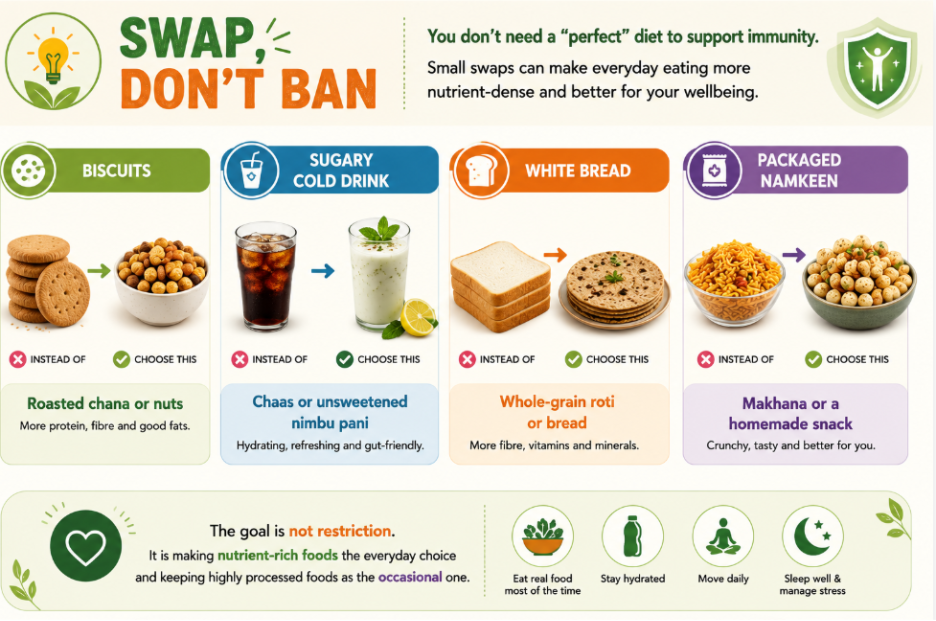
A diet to support your immune system does not require banning sugar, biscuits or your favourite snack altogether. Instead, it is about making room for more nutrient-rich, minimally processed foods that help support overall health and normal immune function.
🍬 Excess added sugar: Sugary drinks, mithai, desserts, and frequently sweetened chai can add considerable sugar without offering many essential nutrients. High-sugar dietary patterns may also contribute to metabolic inflammation over time.
🍟 Ultra-processed and maida-heavy foods: Packaged snacks, biscuits, instant foods, white bread and pav are often low in fibre and high in refined carbohydrates, salt or unhealthy fats. When these dominate the diet, they may also negatively affect gut microbial diversity.
🧂 Too much salt: High sodium intake is best known for its effect on blood pressure, but emerging research also suggests that excessive salt may influence immune regulation.
🥃 Excess alcohol: Regular heavy alcohol consumption can interfere with immune defences, affect the gut barrier and contribute to nutritional deficiencies.
🌾 Too little fibre: A low-fibre diet may deprive beneficial gut bacteria of the fuel they need. Fruits, vegetables, dals, beans, millets and whole grains provide fibres that support a healthier gut environment.
The Gut-Immunity Connection: Why a Healthy Gut Means a Stronger Defence
Your gut does much more than digest food. Around 70 to 80% of the body’s immune cells are associated with the gut, making the digestive system an important meeting point between nutrition, microbes and immune defence.
At the centre of this relationship is the gut microbiome, the vast community of microorganisms living in the digestive tract. A diverse and balanced microbiome helps maintain the gut barrier and communicates with immune cells, influencing how the body responds to potential threats and regulates inflammation.
What you eat can shape this microbial community. Fibre-rich foods such as fruits, vegetables, dals, beans, whole grains and millets provide fuel for beneficial gut bacteria. Fermented foods, including live-culture dahi, chaas and kanji, can add further diversity to an overall gut-friendly diet.
But food is only one part of the gut health and immunity connection. Regular physical activity matters too. Moderate, consistent exercise may support healthy immune regulation, while also benefiting sleep, stress and overall wellbeing. If you are looking to build a sustainable routine, these practical tips on how to stay fit can help you get started.
Chronic stress and poor sleep may alter the gut microbiome and affect immune regulation. This highlights an often-overlooked nutrition and mental health connection: physical and emotional wellbeing are closely intertwined, rather than separate parts of health.
💡 GUT HEALTH IS A WHOLE-BODY STORY
Think beyond probiotics alone. A gut-supportive routine combines:
Fibre-rich foods + dietary variety + fermented foods + quality sleep + stress management + regular movement
Small, consistent habits across these areas may support both digestive health and normal immune function.
If ongoing stress, disrupted sleep, or difficulty maintaining healthy routines is affecting your wellbeing, speaking to a wellness professional can help you build sustainable strategies that support both emotional and physical health.
How to Improve Immunity Through Diet: A Practical Indian Meal Plan
Knowing which nutrients support immunity is one thing. Fitting them into a busy day is another.
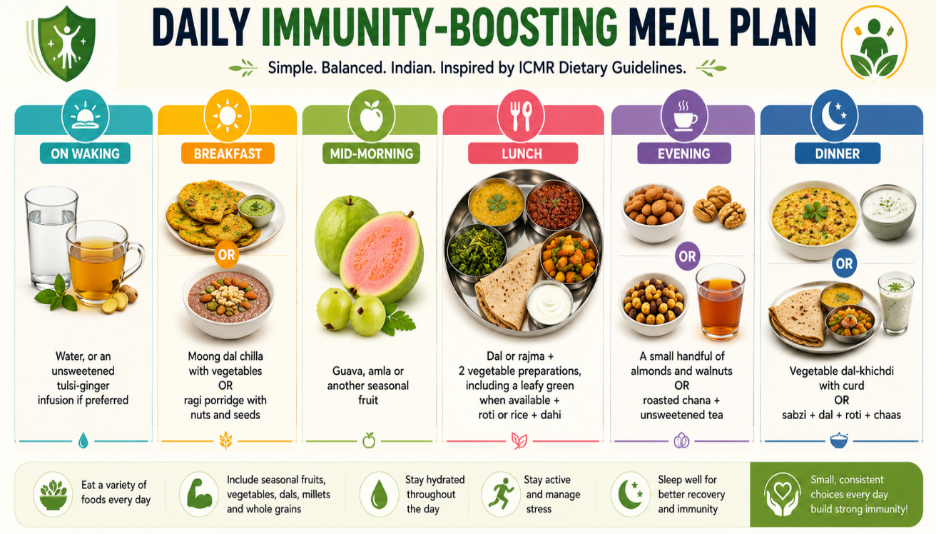
The ICMR-NIN Dietary Guidelines for Indians encourage a diverse diet built around vegetables, fruits, pulses, whole grains and millets, nuts and seeds, alongside appropriate protein sources such as dairy, eggs, fish or meat depending on dietary preferences.
Here is what those principles could look like across one ordinary day:
Making It Work on Busy Days
For office-goers, healthy eating often comes down to what is easiest to reach for. Keep roasted chana or unsalted nuts handy, choose seasonal fruit instead of relying on packaged snacks, and opt for dahi or chaas rather than a sugary cold drink when practical.
💡 BUILD A PLATE, NOT AN “IMMUNITY DIET”
Aim to combine vegetables + a protein source + whole grains or millets + fruit + nuts or seeds across the day.
No single meal needs to be nutritionally perfect. Variety across the day and week matters more.
Note: This is a general illustration, not a personalised prescription. Nutritional requirements vary with age, health conditions, activity levels, pregnancy and other factors. A registered dietitian or qualified healthcare professional can help tailor a plan to individual needs.
Building Stronger Immunity Starts with Everyday Choices
Supporting your immune system is less about finding the next miracle superfood and more about what happens consistently on your plate and in your daily routine.
A varied diet can provide the nutrients for a strong immune system, while fibre-rich and fermented foods support gut health. Regular movement, adequate sleep and managing ongoing stress add other important pieces to the picture.
Start small. Add another colour to your plate. Swap a packaged snack for nuts or roasted chana. Include a protein source at each main meal. Choose changes that feel realistic enough to continue.
And remember, wellbeing extends beyond nutrition. Stress, emotional strain and disrupted sleep can influence how you eat, rest and care for yourself.
💚 Support for Your Wellbeing, When You Need It
If stress or emotional challenges are making it harder to maintain healthy routines, you do not have to navigate them alone.
1to1help’s online counselling services offer confidential professional support for emotional and mental wellbeing. Organisations can also support employees through 1to1help’s Employee Assistance Programme (EAP), providing access to professional support when personal or workplace challenges begin to feel difficult to manage.
A healthier life is not built through nutrition alone. Supporting both physical and emotional wellbeing can help create changes that are more sustainable.
FAQs
Q1. How can I boost my immune system quickly through diet?
There is no food that can strengthen immunity overnight. Instead, focus on consistent dietary variety: fruits and vegetables, adequate protein, whole grains or millets, pulses, nuts, seeds and fermented foods. Good sleep, regular physical activity and stress management also work alongside nutrition for immune system health.
Q2. Which Indian foods are most effective for fighting infections?
No individual food can “fight” or cure an infection on its own. However, nutrient-rich foods such as amla, guava, palak, dals, rajma, curd, nuts, seeds, eggs and fatty fish provide nutrients that support normal immune function. Think of them as supporting your body’s defences rather than acting as medicines.
Q3. What vegetables are best for building a strong immune system?
Aim for variety and colour rather than searching for one “best” vegetable. Dark-green vegetables such as palak and methi provide folate and other micronutrients, while carrots, pumpkin and sweet potato provide beta-carotene. Tomatoes and capsicum contribute Vitamin C and antioxidants. Rotating different vegetables throughout the week helps broaden nutrient intake.
Q4. Does stress affect the immune system and how?
Yes, particularly when stress becomes chronic. Prolonged stress can affect immune regulation, inflammation, sleep and even the gut microbiome. This is where the nutrition and mental health connection becomes important. Eating well supports physical health, but managing stress and getting adequate sleep are also meaningful parts of supporting overall wellbeing.
Q5. How long does it take to improve immunity through diet?
There is no fixed timeline because immune health is influenced by nutritional status, sleep, stress, physical activity, age and underlying health conditions. Correcting a specific nutrient deficiency may take weeks or months, while the benefits of a balanced dietary pattern build over time. Consistency is more useful than short-term “immunity boosting” diets.
Q6. Are Vitamin C supplements better than getting it through food?
Not necessarily. Most people can obtain Vitamin C through foods such as amla, guava, citrus fruits, tomatoes and capsicum. Whole foods also provide fibre and other beneficial compounds that a Vitamin C tablet alone cannot offer. Supplements may be useful when clinically indicated, but higher doses do not automatically translate into stronger immunity.
Q7. Can poor nutrition be the reason I fall sick frequently?
Poor nutrition or deficiencies in nutrients such as iron, Vitamin D, Vitamin B12 or zinc may affect normal immune function, but frequent illness can have many possible causes. Rather than assuming diet is responsible or self-prescribing supplements, consider speaking with a healthcare professional if infections are unusually frequent, severe or persistent.
References
- Aparna, P., Muthathal, S., Nongkynrih, B., & Gupta, S. K. (2018). Vitamin D deficiency in India. Journal of Family Medicine and Primary Care, 7(2), 324–330. https://doi.org/10.4103/jfmpc.jfmpc_78_18
- Cleveland Clinic. (n.d.). Gut microbiome. Cleveland Clinic
- GOED. (n.d.). About EPA and DHA. Global Organization for EPA and DHA Omega-3s
- Harvard T.H. Chan School of Public Health. (n.d.). Nutrition and immunity. The Nutrition Source. Harvard Nutrition Source
- Healthline. (n.d.). Foods that boost the immune system. Healthline
- Indian Council of Medical Research & National Institute of Nutrition. (2024). Dietary guidelines for Indians. ICMR-NIN Dietary Guidelines for Indians 2024
- National Center for Biotechnology Information. (n.d.). Immunobiology: The immune system in health and disease. National Library of Medicine. NCBI Bookshelf
- National Center for Biotechnology Information. (n.d.). NCBI Bookshelf. National Library of Medicine. NCBI resource
- Piperine-related curcumin bioavailability study. (1998). Planta Medica. PubMed record PMID 9619120
- Role of micronutrients in supporting immune function. (2020). PubMed Central. Peer-reviewed article on micronutrients and immunity
- Gut microbiota and immune system interactions. (2022). PubMed Central. Peer-reviewed gut-immunity research
- Research on gut microbiota and immune health. (2021). PubMed. PubMed record PMID 33803407
- Tinospora cordifolia-associated liver injury study. (2022). Hepatology Communications. PubMed record PMID 35037744
- World Health Organization. (n.d.). Healthy diet. WHO Healthy Diet Fact Sheet


.svg)
.svg)
.svg)
.svg)