


.png)


.png)

Mental Health Concerns
Stress: Meaning, Symptoms, Types & 10 Science-Backed Ways to Manage It (India 2026)

.png)
Written by
Aarohi Parakh,
Psychologist and Content Writer

Reviewed by
Sanjana Sivaram,
Psychologist and Clinical Content Head


Introductions:

Arjun is a 34-year-old IT project manager in Hyderabad. He wakes up at 6 am with his mind already running through the day's sprint review, a difficult client call, and the performance appraisal cycle that opens next week. By the time he reaches his desk, he has already replayed at least three difficult conversations in his head. Most afternoons bring a headache, and for the past three months, a full night’s sleep has been rare. His doctor has told him his blood pressure is borderline high. When a colleague asks how he is doing, he says: "A bit stressed, but nothing I cannot handle."
Arjun's story is not unusual. In many ways, it is unremarkable, precisely because it is so common. Stress has become the background noise of Indian professional and academic life: so pervasive that it is often not recognised as a health concern at all. Recent Indian surveys suggest nearly 9 in 10 Indian adults report experiencing stress regularly.
But stress is not just a feeling. It is a physiological and psychological process with measurable effects on the body and mind. Left unmanaged, it becomes one of the most significant drivers of chronic illness in India, contributing to the country's enormous burden of hypertension, cardiovascular disease, and mental health conditions.
This guide covers what stress is and what it means in both English and Hindi (tanav / तनाव), its symptoms, types, causes, and the connection to post-traumatic stress disorder. It also provides 10 evidence-based strategies for stress management, with specific attention to the Indian context: the workplace, the academic system, family dynamics, and the cultural factors that shape how stress is experienced and expressed here.

What Is Stress? Meaning, Definition & Types
Stress Meaning in English and Hindi
In everyday language, stress refers to the feeling of being overwhelmed, pressured, or stretched beyond comfortable limits. Clinically, the definition is more precise.
Stress is the body's physiological and psychological response to any demand or challenge, called a stressor, that disrupts its normal state of balance, known as homeostasis (the body’s ability to keep its internal state stable and balanced). When the brain perceives a threat or demand, it activates the stress response, triggering a cascade of hormonal and neurological changes designed to help the individual cope.
Hans Selye, the endocrinologist widely regarded as the father of modern stress research, defined stress as the body’s response to any demand or change.
His foundational work, developed from the 1930s onwards, showed that the body reacts similarly to different kinds of stress, whether physical, emotional, or environmental.
He also introduced an important distinction:
- Eustress (positive, motivating stress), and
- Distress (negative, damaging stress)
In Hindi, stress is most commonly referred to as tanav (तनाव). The word conveys a sense of tension or strain, a pulling of one's inner resources. In everyday Indian conversations, you may also hear chinta (anxiety or worry), thakan (fatigue), or simply "bahut pressure hai" ("there is too much pressure") as descriptions of what is, clinically, a stress response.
Types of Stress
Not all stress is the same. Understanding which type you are experiencing is the first step towards managing it effectively.
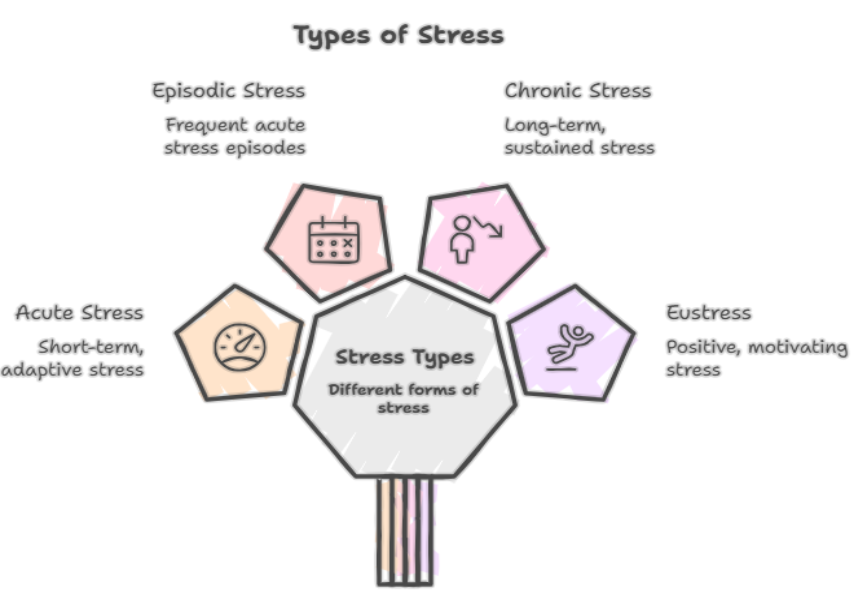
Acute Stress
Short-term, triggered by an identifiable event (a deadline, a difficult conversation, a near-miss on the road). This is the most common type and, in moderate doses, is adaptive: it sharpens focus and performance. It resolves when the trigger passes.
Example: Riya feels her heart race while trying to submit a last-minute college assignment, or when a bike suddenly cuts across her lane in traffic. Once the moment passes, her body settles down.
Episodic Acute Stress
Frequent episodes of acute stress, often seen in individuals who are consistently overcommitted, highly perfectionistic, or always under pressure. This pattern is widespread in Indian corporate and academic environments. The body rarely gets a chance to recover.
Example: Aryan works in a corporate job where his day is packed with meetings, deadlines, and late-night calls. Even after work, messages keep coming. He often feels tense and on edge, with little time to truly switch off.
Chronic Stress
Long-term, sustained stress that persists for weeks or months. The stressor may be unresolvable or the person is unable to disengage from the stress response. Chronic stress is the most damaging type, linked to serious physical and mental health consequences.
Example: Meena has been managing household expenses and caregiving responsibilities for months with limited support. The stress does not come and go, it stays with her, affecting her sleep and energy every day.
Eustress
Positive, motivating stress: the tension before an exciting performance or an energising deadline. Eustress improves performance and wellbeing. The goal of stress management is not to eliminate all stress but to reduce distress and harness eustress.
Example: Kabir feels a mix of nervousness and excitement before a job interview he has been preparing for. The pressure pushes him to stay focused and give his best.
💡Key Statistics
- 89% of Indians report being stressed, compared to a global average of 86%, according to a Cigna TTK Health Insurance survey. Academic pressure and workplace demands are the two primary drivers.
- The Sapien Labs Global Mind Health Report 2025 found India's Mental Health Quotient (MHQ) score to be 33, compared to a global average of 66, indicating significant population-level psychological distress, particularly among urban youth aged 18 to 34.
Stress Symptoms: How Stress Affects Your Body and Mind
Stress does not announce itself with a single clear signal. It works across multiple systems simultaneously. Many of its early signs are easy to dismiss, can be attributed to other causes, or, in the Indian cultural context, pushed through with the expectation that they will pass.
Physical Symptoms of Stress
7 Physical Warning Signs Your Body Is Under Too Much Stress:
- Persistent headaches or migraines, particularly tension headaches that appear in the afternoon or evening
- Muscle tension and tightness in the neck, shoulders, and jaw
- Disrupted sleep: difficulty falling asleep, staying asleep, or waking up feeling unrefreshed
- Fatigue that does not resolve with rest
- Gastrointestinal problems: nausea, loose motions, constipation, or irritable bowel symptoms
- Chest tightness or a sensation of shallow breathing
- Weakened immunity: falling ill more frequently than usual or taking longer to recover
Important: These symptoms can sometimes resemble medical conditions. If they persist, worsen, or are unclear, a medical evaluation is essential rather than self-diagnosis.
The Stress Hormone: Cortisol and the HPA Axis
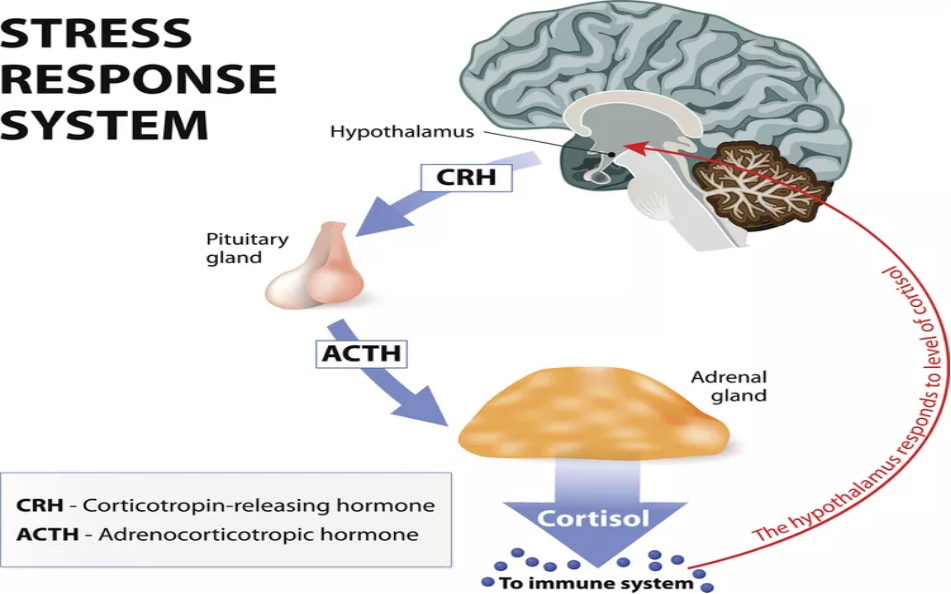
When the brain perceives stress, it activates the hypothalamic-pituitary-adrenal (HPA) axis, the body's central stress response system. The hypothalamus signals the pituitary gland, which in turn signals the adrenal glands to release cortisol, the body's primary stress hormone, alongside adrenaline.
In the short term, cortisol is helpful: it increases blood sugar for energy, improves alertness, and temporarily suppresses non-essential functions such as digestion and immune activity, so the body can meet the immediate demand. This is the classic fight-or-flight response.
Under chronic stress, cortisol remains persistently elevated. The consequences are serious and wide-ranging:
- Suppression of the immune system, increasing susceptibility to infection
- Elevation of blood pressure, directly contributing to hypertension
- Disruption of sleep patterns, particularly the deep restorative stages
- Reduced memory and concentration due to changes in the hippocampus (a key brain area for learning and memory)
- Increased long-term risk of cardiovascular disease, type 2 diabetes, and metabolic syndrome
💡India Context: Stress and Hypertension
India is home to an estimated 220 million people living with hypertension, according to the World Health Organization. Chronic psychological stress is a significant and often underacknowledged contributor to this burden. The relationship between stress, sustained cortisol elevation, and blood pressure is direct and well-documented.
Oxidative Stress: The Cellular-Level Consequence
Oxidative stress refers to an imbalance between free radicals (unstable, reactive molecules produced during normal metabolism) and the body's antioxidant defences. Chronic psychological stress significantly increases the production of reactive oxygen species, pushing the body into a state of oxidative stress. At the cellular level, this causes damage to DNA, proteins, and cell membranes. It has been linked to cardiovascular disease, diabetes, neurological decline, and accelerated biological ageing. This is one reason why the physical consequences of sustained psychological stress extend well beyond what we can see or feel in the short term.
Emotional and Cognitive Symptoms
- Persistent irritability, a short temper, or emotional volatility out of proportion to the trigger
- Feeling overwhelmed, unable to prioritise, or feeling as if always running behind
- Low mood, tearfulness, or a general sense of hopelessness
- Difficulty concentrating or making decisions
- Forgetfulness, even for routine tasks
- Racing thoughts, especially at night
- Catastrophic thinking: defaulting to expecting the worst outcome
Behavioural Symptoms
- Overeating (especially comfort foods) or losing your appetite entirely (Read our India guide on eating disorders here)
- Withdrawing from social activities, friends, or family
- Increased use of alcohol, tobacco, or other substances as a coping mechanism
- Procrastination and avoidance of responsibilities
- Nervous habits such as nail-biting, skin-picking, or restless movement
- Neglecting physical health: skipping exercise, meals, or medical appointments
Post-Traumatic Stress Disorder (PTSD): When Stress Becomes Trauma
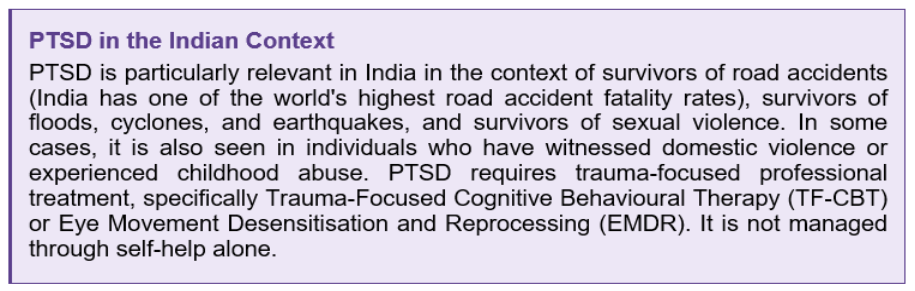
Stress and trauma exist on a continuum, but Post-Traumatic Stress Disorder (PTSD) is a distinct clinical condition that requires separate recognition and treatment. It is included here because searches for PTSD often begin with a broader search for stress information, and because understanding the difference matters for getting the right help.
PTSD develops in some individuals following direct exposure to or witnessing of a traumatic event: a road accident, natural disaster, act of violence, sexual assault, or any experience that involves actual or threatened death, serious injury, or violation of physical integrity. Not everyone who experiences trauma develops PTSD, but for those who do, the condition significantly impairs daily functioning. Importantly, symptoms may not appear immediately and can emerge weeks or even months after the event.
PTSD Symptoms
- Intrusive re-experiencing: flashbacks, nightmares, or involuntary distressing memories of the traumatic event
- Avoidance: actively avoiding people, places, conversations, or activities that trigger memories of the trauma
- Hypervigilance: a persistent state of heightened alertness, feeling on guard even in safe situations
- Emotional numbing or detachment from others and from previously enjoyable activities
- Negative changes in beliefs and mood: persistent self-blame, guilt, shame, or a distorted sense of the world as entirely dangerous
PTSD is categorically different from a normal stress response. It is not a weakness, nor an inability to move on from a traumatic experience. It is a neurological injury that responds well to evidence-based treatment. If you or someone you know shows the above symptoms following a traumatic event, professional support is essential.
Stress Management: 10 Proven Strategies That Actually Work
What is a stress buster? A stress buster is any activity or practice that reliably activates the body's relaxation response, reducing cortisol levels and counteracting the physiological effects of stress. The 10 strategies below are not generic self-help advice: each is supported by peer-reviewed evidence and has been contextualised for practical application in India.
These strategies do not require significant financial investment, specialised equipment, or a large amount of time. What they do require is consistency, and the recognition that managing stress proactively is not a luxury but a health imperative.
Recommended Readings:
- Stress Buster Meaning: Easy Ways to Boost Mental Health and Manage Stress
- 15 Must Try Stress Relief Activities To Help You Relax
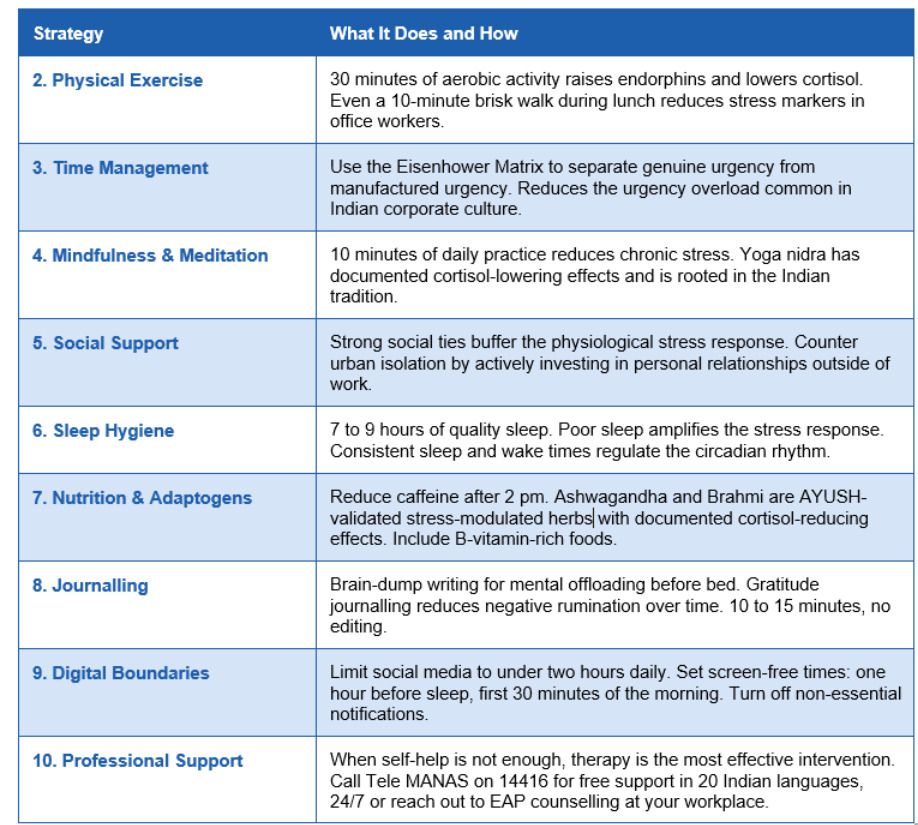
The Stress Management Wheel: 10 Science-Backed Strategies at a Glance
A Closer Look at Each Strategy
1. Deep Breathing and Pranayama
Controlled breathing is one of the fastest-acting stress reduction tools available, and one of the most underused. Slow, diaphragmatic breathing activates the parasympathetic nervous system, directly counteracting the fight-or-flight response and reducing cortisol within minutes. Unlike many other interventions, it requires no equipment, no cost, and can be done at a desk during a working day.
Three techniques that work particularly well:
- Box breathing (Sama Vritti): Inhale for 4 counts, hold for 4, exhale for 4, hold for 4. Repeat for 5 minutes. This technique is widely used in high-performance settings, including by military personnel and athletes, to manage acute stress.
- 4-7-8 breathing: Inhale for 4 counts, hold for 7, exhale slowly for 8. Particularly effective before sleep.
- Nadi Shodhana (Alternate Nostril Breathing): A pranayama technique with documented effects on heart rate variability and sympathetic nervous system activation.
💡Pro-Tip:
- Start with just 5 minutes of box breathing at your desk during lunchtime.
- Set a phone reminder at 3 pm, when cortisol and energy naturally dip, to do a short breathing practice.
- During a stressful meeting or call, slow nasal breathing alone activates the parasympathetic nervous system, even without a specific technique.
2. Physical Exercise
Exercise is one of the most evidence-supported interventions for stress reduction. Aerobic exercise, such as running, swimming, or cycling, reduces cortisol, increases endorphins (the body's natural mood-elevating chemicals), and improves sleep quality. A review published in Frontiers in Physiology found that regular aerobic exercise significantly reduces perceived stress and anxiety.
30 minutes of moderate aerobic activity, five days a week, is the evidence-backed target. But even a 10-minute brisk walk during a lunch break has been shown to lower stress markers in office workers. For Indians navigating long commutes and extended work hours, breaking exercise into shorter bouts across the day is a practical and equally effective approach.
Simple ways to integrate this into daily life include taking the stairs instead of the lift, walking during phone calls, or getting off one stop early on your commute and walking the rest of the way.
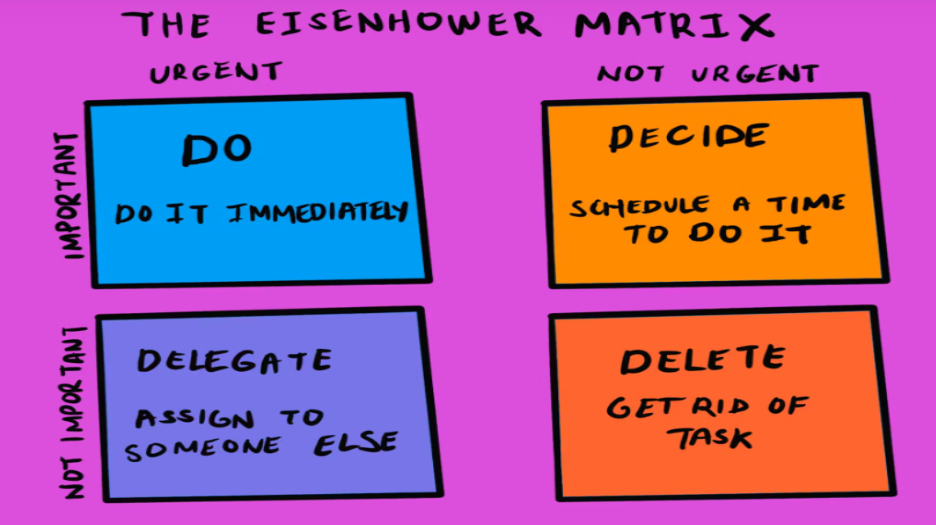
3. Time Management and the Eisenhower Matrix
One of the most common contributors to chronic stress in Indian workplaces is urgency overload: the feeling that everything is both important and urgent. This is rarely true, but without a structured approach to prioritisation, the brain treats all demands as equally threatening, keeping the stress response continuously activated.
The Eisenhower Matrix divides tasks into four quadrants:
- Urgent and important: Do immediately.
- Important but not urgent: Schedule and protect dedicated time for these. These are often the most valuable yet most neglected.
- Urgent but not important: Delegate wherever possible.
- Neither urgent nor important: Eliminate.
In Indian corporate culture, where declining a senior's request can feel professionally risky, this framework provides an objective basis for boundary-setting and for having constructive conversations about workload.
4. Mindfulness and Meditation
A meta-analysis published in JAMA Internal Medicine found that mindfulness-based stress reduction (MBSR) significantly reduces psychological stress, anxiety, and depression. Daily practice of 10 minutes or more shows cumulative benefits over weeks and months.
For Indian practitioners, yoga nidra (often described as yogic sleep or non-sleep deep rest) is particularly relevant. It is a guided meditation technique rooted in Indian tradition that has been shown to lower cortisol levels, reduce sympathetic nervous system activation, and improve sleep quality. Apps such as Headspace and Calm offer structured guided sessions, while India-based platforms like Art of Living provide culturally rooted practices. For more accessible options, free guided yoga nidra sessions are widely available on YouTube and on apps like Insight Timer, and Sattva, many of which offer content in Hindi and other Indian languages.
5. Social Support
Human social connection is one of the most powerful biological buffers against stress. Research consistently shows that people with strong, supportive social networks have lower cortisol levels, faster physiological recovery from stressors, and better long-term mental health outcomes.
In India, urbanisation and the shift from joint to nuclear family living have reduced some of the traditional support systems that once provided this buffer. Long work hours in metros such as Mumbai, Bengaluru, and Delhi further reduce time for meaningful social connections. For many young professionals who are geographically separated from their family networks, this results in a pattern of urban isolation that quietly amplifies stress.
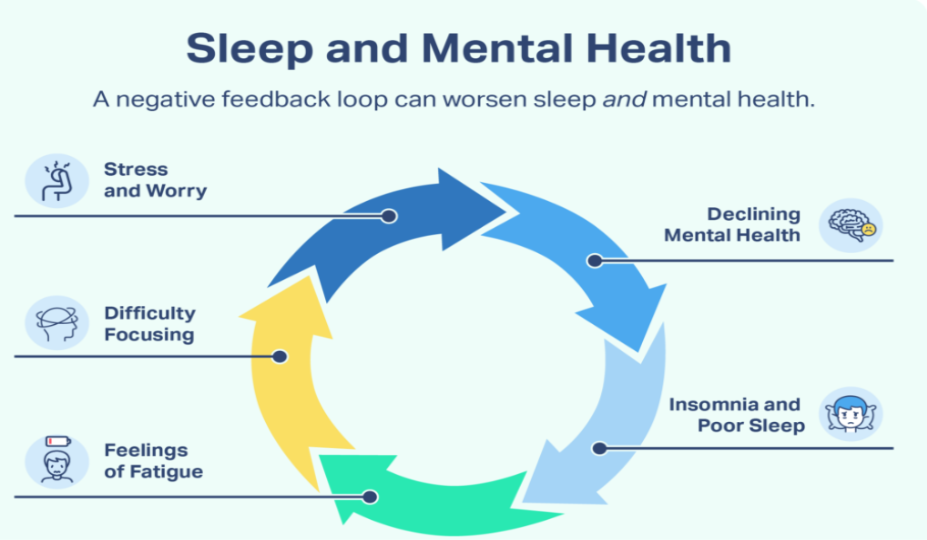
6. Sleep Hygiene
Stress and sleep have a bidirectional relationship: stress disrupts sleep, and poor sleep amplifies the stress response. The National Sleep Foundation recommends 7 to 9 hours of sleep for adults aged 18-64. For adults older than 65 years, 7 to 8 hours is the recommended range.
Key sleep hygiene practices relevant to the Indian context:
- Maintain consistent sleep and wake times, including at weekends, to regulate the circadian rhythm
- Avoid screens for at least 30 minutes before sleep. Blue light suppresses melatonin production
- Reduce late-night heavy meals. In many Indian households, dinner tends to be later and sometimes heavier, which can affect sleep quality if not timed well.
- Keep the bedroom cool, dark, and quiet
- Turn off work notification sounds outside working hours. Even the anticipation of a message keeps the stress response on standby.
7. Nutrition and Adaptogens (Stress-modulated herbs)
Caffeine stimulates cortisol secretion and increases heart rate, which is why reducing caffeine intake after 2 pm is a consistently evidence-backed recommendation for individuals experiencing stress-related sleep disruption. B vitamins (particularly B6, B9, and B12) support the nervous system and are involved in the synthesis of serotonin and dopamine. Omega-3 fatty acids have anti-inflammatory effects that counteract some of the physiological damage caused by chronic stress.
Two AYUSH-validated Indian adaptogens deserve specific mention:
- Ashwagandha (Withania somnifera): Validated by the Ministry of AYUSH, ashwagandha has been shown in randomised controlled trials to significantly reduce serum cortisol levels and perceived stress scores. It is one of the most clinically substantiated herbal adaptogens available.
- Brahmi (Bacopa monnieri): Also AYUSH-validated, brahmi has cognitive-protective effects under stress conditions and supports memory and concentration in individuals experiencing high mental load.
Note: While these herbs are used, they are not suitable for everyone. It is advisable to consult a doctor, especially if you have an existing medical condition, are pregnant, or are taking medication.
8. Journalling
Expressive writing and structured journalling reduce psychological stress by providing a cognitive and emotional outlet for the accumulated weight of daily stressors. The brain-dump technique, writing uncensored for 10 to 15 minutes without editing or judgement, is particularly effective for clearing mental load before sleep and reducing the overthinking that keeps many stressed individuals awake.
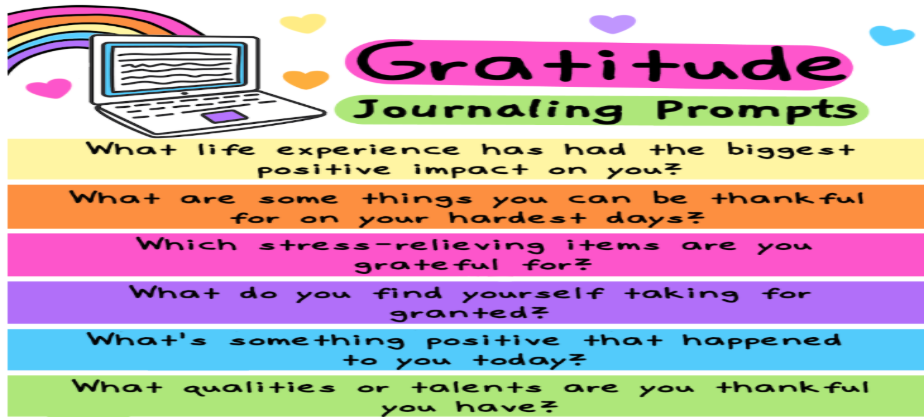
Gratitude journalling, recording three specific things you are grateful for each day, has been shown to reduce negative rumination and improve subjective wellbeing over time. It is not a denial of difficulty but a conscious shifting of attention.
9. Digital Boundaries
India has over 950 million internet users, and social media penetration is among the highest in Asia. The relationship between heavy social media use and stress is well established: constant news consumption, social comparison, and the always-on nature of workplace communication tools such as WhatsApp or Teams are significant contributors to chronic stress, particularly among urban professionals and young adults.
Evidence-based digital hygiene practices:
- Set a daily social media limit of under two hours, using built-in screen time tools on your phone
- Create designated screen-free times: one hour before sleep and during the first 30 minutes of the morning
- Turn off non-essential notifications, particularly from work communication apps, outside working hours
- Conduct a weekly review of which digital inputs are generating stress rather than value, and reduce them deliberately
10. Professional Support
All of the above strategies are effective, but each has limits. When stress has become chronic and deeply entrenched, when it is significantly affecting sleep, relationships, or physical health, professional support is not a last resort but the most effective intervention available.
Cognitive Behavioural Therapy (CBT) has the strongest evidence base for stress and anxiety management. A psychologist or counsellor trained in CBT can help identify the thought patterns and behaviours that sustain the stress response and help develop personalised coping strategies.
For immediate support, the Government of India's Tele MANAS helpline on 14416 is available 24 hours a day, 7 days a week, free of charge, in 20 Indian languages. Calling it is not a sign of weakness. It is a proactive investment in health. You can also reach out to Employee Assistance Programme (EAP) counselling services, which are confidential, and offered by your workplace.
Stress in the Indian Context: Academic, Workplace & Financial Stress
Global research on stress is largely drawn from Western, industrialised populations. While the biology of the stress response is universal, the stressors are not. India has a distinctive stress landscape shaped by its education system, workplace culture, family structures, and socioeconomic pressures.
Academic Stress: The JEE, NEET, and Board Exam Pressure
The Indian education system, with its emphasis on high-stakes board examinations and intensely competitive entrance tests for engineering (JEE) and medicine (NEET), creates a stressful environment for adolescents that is arguably without parallel in most of the world. According to the National Crime Records Bureau (NCRB) 2023 report, student suicides remain a significant public health concern in India, with examination pressure consistently identified as a contributing factor.
A 2024 report by the Indian Psychiatric Society found that 40% of Indian teenagers cite stress as their primary mental health concern. The culture of comparison, the pressure to secure admission to IITs, IIMs, and AIIMS, and the limited social narrative around career paths outside medicine and engineering all amplify the pressure adolescents internalise from a very early age.
The consequences extend beyond the exam hall. Academic stress in adolescence is associated with chronic sleep deprivation, anxiety disorders, depression, and, in some cases, disordered eating. The Kota model of intensive residential coaching has become a reference point for both the aspirational drive and the mental health cost of India's academic pressure culture.
Important: If a student is feeling overwhelmed, anxious, or unable to cope, early support from parents, teachers, or a mental health professional can make a significant difference.
Workplace Stress: Burnout in the Indian Office
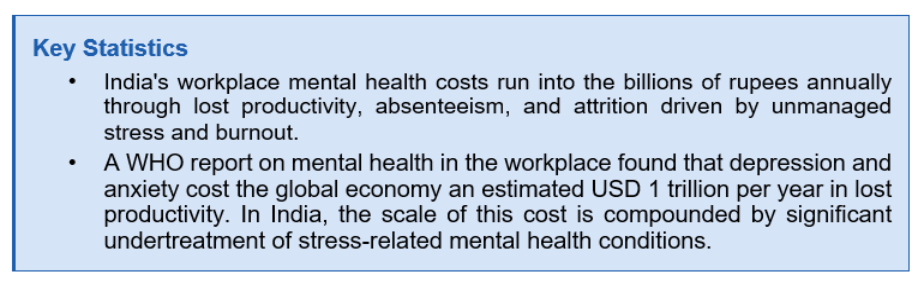
The Sapien Labs Global Mind Health Report 2025 placed India's Mental Health Quotient score at 33, compared to a global average of 66. The deficit is most pronounced in the 18 to 34 age group: precisely the demographic that drives India's IT sector, startups, and service economy.
India's workplace culture contributes to this in several specific ways:
- Hierarchical communication norms: The cultural difficulty of saying no to a manager or pushing back on unreasonable timelines means that workload accumulates without the protective mechanisms of boundary-setting or honest negotiation.
- Always-on culture: WhatsApp groups for work, messages at 11 pm, and the expectation of weekend availability have blurred the boundary between work and personal time in ways that prevent the cortisol recovery needed for sustained wellbeing.
- IT sector intensity: US-time-zone client calls, sprint cycles, code reviews, and frequent appraisals create a pattern of episodic acute stress that, at high frequency, tips into chronic stress for many engineers and product managers.
- Gig economy precarity: India's rapidly growing gig workforce faces financial uncertainty, lack of job security, and the absence of formal workplace mental health support, all of which are significant chronic stressors.
- Commute burden: In cities such as Mumbai and Delhi, daily commutes of two hours or more each way are common. Commuting in high-density traffic is not passive time: it is physiologically stressful, and it eliminates the transition space between work and home that allows cortisol levels to decrease.
Recommended Reading:
- Burnout: Meaning, Symptoms, Stages & How to Recover: India Guide 2026
- Why Mental Health in the Workplace Matters More Than Ever
Financial Stress
India's economic growth has not been evenly distributed, and financial stress affects the entire income spectrum. For low and middle-income households, the combination of rising food and fuel inflation, education loan repayments, healthcare costs, and job insecurity creates a sustained financial stressor with no easy release valve.
For urban professionals, lifestyle inflation, home loan EMIs in expensive city markets, and the social pressure to maintain visible markers of success create financial anxiety even at relatively high-income levels. The Indian cultural norm of financial support across the extended family, whether contributing to parents' expenses, a sibling's education, or a family member's medical costs, further compresses disposable income for young earners in ways that most Western financial wellness frameworks do not account for.
Family Stress
India's family structure, whether joint or nuclear, carries its own distinct stress dynamics. Joint family arrangements, while providing meaningful social support and shared childcare, can also involve conflicts over decision-making, financial management, and generational boundaries. The growing multigenerational caregiving burden, as urban professionals simultaneously manage young children and ageing parents, is a significant and under-recognised source of chronic stress.
The social and family pressures surrounding marriage, particularly the weight attached to timelines and family expectations, are a significant source of stress for adults in their mid- to late twenties. The continuing reality of dowry-related financial and social pressure in many communities adds an additional dimension to family stress that is specific to the Indian experience.
Farmer Distress: Stress as a Public Health Crisis
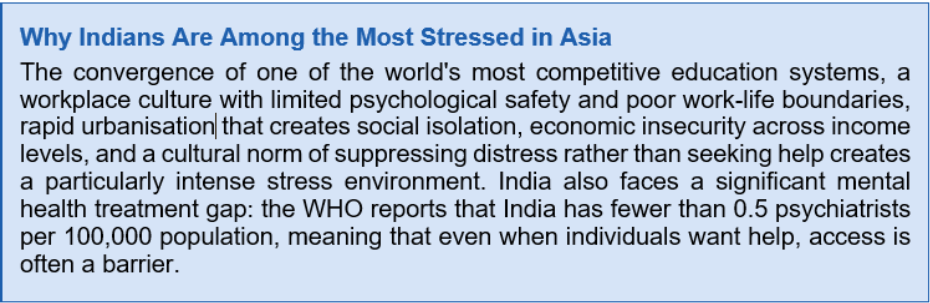
India has reported significant numbers of farmer suicides in successive NCRB reports, highlighting the mental health challenges within the agricultural sector. Agrarian stress, driven by crop failure, debt, inadequate institutional support, climate variability, and the social isolation of rural life, should be recognized as a public health emergency rather than an individual psychological problem. It is a reminder that stress is not solely a corporate or urban phenomenon: its most devastating consequences are often borne by those with limited access to support systems.
Chronic Stress vs Acute Stress: When to Seek Help
Understanding the difference between acute and chronic stress is not just an academic exercise. It is the practical basis for deciding whether self-management strategies are sufficient or whether professional support is needed.
Acute Stress: Normal and Adaptive
Acute stress is a normal part of being alive. It appears before a job interview, during a difficult conversation, or when a deadline approaches. In moderate doses, it is adaptive: it heightens alertness, sharpens focus, and improves performance on challenging tasks. It dissipates when the trigger passes and is followed by physiological recovery. Acute stress that is well-managed and followed by adequate rest is not harmful.
Chronic Stress: When the System Gets Stuck
Chronic stress occurs when the stress response is activated repeatedly or continuously without adequate recovery. The body remains in a state of physiological arousal, cortisol stays elevated, and the cumulative toll on the body and mind accumulates over months or years. Unlike acute stress, chronic stress does not resolve on its own without deliberate intervention.
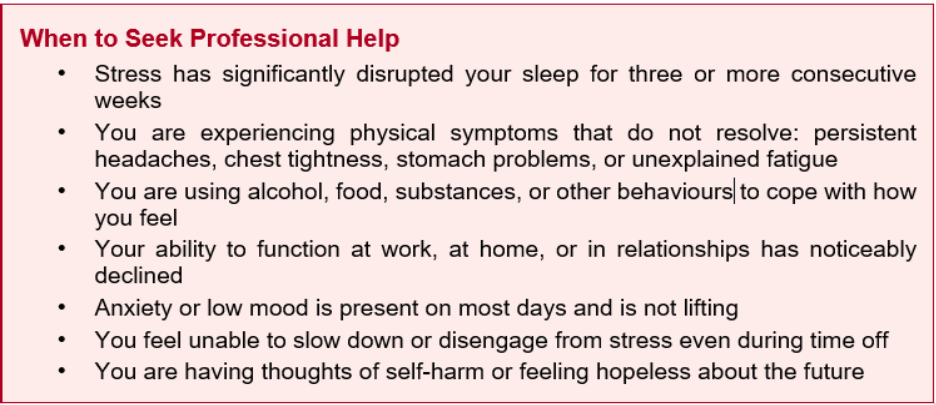
The transition from acute to chronic stress often happens gradually, without a clear moment of recognition. Many people live with chronic stress for extended periods before connecting their persistent headaches, disrupted sleep, low mood, or relationship difficulties to stress rather than treating them as separate, unrelated problems.
If you or someone you know is struggling with persistent or overwhelming stress, help is available:
- Access confidential counselling through EAP providers such as 1to1help (check with your HR on enrolled EAP services)
- For immediate support, contact Tele MANAS 14416 (free, 24/7, multiple Indian languages)
- You can reach out to a clinical psychologist, counselling psychologist, or psychiatrist depending on the severity of your symptoms.
Stress vs Anxiety Disorder: An Important Distinction
Stress and anxiety are closely related but not identical. Stress is typically a response to an identifiable external cause: a deadline, a conflict, a financial problem. It usually reduces or resolves when the stressor is managed or removed.
Anxiety disorder involves persistent worry or fear that may not resolve when the stressor is removed, that is often disproportionate to the situation, and that involves a pervasive sense of dread about future events. Anxiety tends to produce more persistent physical symptoms such as a racing heart, difficulty breathing, and muscle tension, alongside cognitive symptoms including catastrophic thinking and an inability to switch off worry.
Stress and anxiety frequently co-exist and can intensify each other. If persistent worry feels uncontrollable and constant, a mental health professional is the right person to assess whether a clinical anxiety disorder is present. For further information, read our related article, "Differences Between Stress And Anxiety, Their Symptoms And Solutions"
Conclusion: Stress Is Common, But It Is Manageable
Arjun’s story is not unusual. Like many professionals, he ignored the early signs until stress began affecting his sleep, health, and focus.
What changed for him was not one big decision, but a few consistent ones. He started with 5 minutes of breathing during work breaks, set boundaries around late-night calls, and began short evening walks. When his sleep and headaches did not improve, he reached out for counselling through his company’s EAP. Over time, his sleep stabilised, his energy improved, and work felt more manageable.
That is the key. Stress does not need to be eliminated, but it does need to be managed.
If your stress feels persistent or overwhelming, do not wait for it to worsen:
- Access confidential counselling through EAP providers such as 1to1help via your workplace
- Call Tele MANAS (14416) for free, 24/7 support
Taking support is not the last step. It is an essential one.
FAQs
Q1. What is stress and what does it mean in Hindi?
Stress is the body’s physiological and psychological response to any demand or challenge. It activates hormones like cortisol and adrenaline to help you cope. In Hindi, stress is called tanav (तनाव). Short-term stress can improve focus, but long-term stress can harm physical and mental health. In India, common causes include academic pressure, work demands, financial strain, and family responsibilities.
Q2. What are the symptoms of stress?
Stress affects multiple systems at once. Physical symptoms include headaches, muscle tension, fatigue, sleep problems, and digestive issues. Emotional signs include irritability, anxiety, and feeling overwhelmed. Cognitive effects include poor concentration and overthinking. Behavioural changes may include withdrawal, overeating, or increased substance use. Persistent symptoms signal the need for attention.
Q3. What are the best stress management techniques?
Effective stress management combines lifestyle and psychological strategies. Regular exercise, deep breathing, pranayama, mindfulness, good sleep, and journalling are strongly evidence-based. Social support plays a protective role. In the Indian context, yoga and yoga nidra are particularly effective. Setting boundaries around work and digital use is also critical. If stress persists, professional support is recommended.
Q4. What is oxidative stress?
Oxidative stress is a cellular imbalance between harmful free radicals and the body’s antioxidant defences. Chronic psychological stress increases this imbalance, leading to damage to cells and tissues. It is linked to conditions like heart disease, diabetes, and premature ageing. Diet, exercise, and stress management help reduce its impact.
Q5. What is the difference between stress and anxiety?
Stress is usually a response to a specific external situation and reduces once the situation improves. Anxiety is more persistent, may not have a clear trigger, and often involves ongoing worry or fear about future events. Both can overlap, but anxiety tends to be more constant and difficult to switch off. Professional assessment helps differentiate them when needed.
Q6. How does stress affect the body?
Stress activates the HPA axis, releasing cortisol and adrenaline. While helpful in the short term, chronic activation leads to immune suppression, high blood pressure, poor sleep, and increased risk of heart disease and diabetes. It also affects brain function, especially memory and emotional regulation. Over time, untreated stress becomes a major health risk.
Q7. When should I seek help for stress?
Seek help if stress lasts for several weeks or starts affecting sleep, work, health, or relationships. Warning signs include constant fatigue, frequent physical complaints, substance use to cope, or feeling unable to manage daily demands.
You can reach out to:
- A clinical psychologist, counselling psychologist, or psychiatrist, depending on the severity of your symptoms
- Workplace EAP counselling service providers like 1to1help
- Tele MANAS (14416) for free, 24/7 support
Early support leads to better outcomes.
References
- American Addiction Centers. (n.d.). Coping mechanisms. https://americanaddictioncenters.org/sobriety-guide/coping-mechanism
- American Heart Association. (1999). Stress and hypertension. https://www.ahajournals.org/doi/10.1161/01.hyp.33.6.1364
- Article 14. (2024). Pressure to succeed at India’s educational institutes. https://article-14.com/post/pressure-to-succeed-at-india-s-educational-institutes-is-driving-what-the-supreme-court-calls-a-suicide-epidemic--68182f8eb02dd
- Business Today. (2018, July 10). Indians suffer from stress, depression. https://www.businesstoday.in/lifestyle/off-track/story/indians-suffer-from-stress-depression-108591-2018-07-10
- Change Mental Health. (n.d.). Understanding distress. https://changemh.org/resources/understanding-distress/
- Cleveland Clinic. (n.d.). Adrenal glands. https://my.clevelandclinic.org/health/body/23005-adrenal-gland
- Cleveland Clinic. (n.d.). Cardiovascular disease. https://my.clevelandclinic.org/health/diseases/21493-cardiovascular-disease
- Cleveland Clinic. (n.d.). Diaphragmatic breathing. https://my.clevelandclinic.org/health/articles/9445-diaphragmatic-breathing
- Cleveland Clinic. (n.d.). Dopamine. https://my.clevelandclinic.org/health/articles/22581-dopamine
- Cleveland Clinic. (n.d.). Gastrointestinal diseases. https://my.clevelandclinic.org/health/articles/7040-gastrointestinal-diseases
- Cleveland Clinic. (n.d.). Homeostasis. https://my.clevelandclinic.org/health/articles/homeostasis
- Cleveland Clinic. (n.d.). Hypertension. https://my.clevelandclinic.org/health/diseases/4314-hypertension-high-blood-pressure
- Cleveland Clinic. (n.d.). Hypothalamic-pituitary-adrenal (HPA) axis. https://my.clevelandclinic.org/health/body/hypothalamic-pituitary-adrenal-hpa-axis
- Cleveland Clinic. (n.d.). Irritable bowel syndrome. https://my.clevelandclinic.org/health/diseases/4342-irritable-bowel-syndrome-ibs
- Cleveland Clinic. (n.d.). Omega-3 fatty acids. https://my.clevelandclinic.org/health/articles/17290-omega-3-fatty-acids
- Cleveland Clinic. (n.d.). Oxidative stress. https://my.clevelandclinic.org/health/articles/oxidative-stress
- Cleveland Clinic. (n.d.). Pituitary gland. https://my.clevelandclinic.org/health/body/21459-pituitary-gland
- Cleveland Clinic. (n.d.). Serotonin. https://my.clevelandclinic.org/health/articles/22572-serotonin
- Cleveland Clinic. (n.d.). Stress. https://my.clevelandclinic.org/health/diseases/11874-stress
- Eisenhower. (n.d.). Eisenhower Matrix. https://www.eisenhower.me/eisenhower-matrix/
- Everlywell. (n.d.). Cortisol vs adrenaline. https://www.everlywell.com/blog/sleep-and-stress/cortisol-vs-adrenaline/
- Harvard Summer School. (n.d.). Perfectionism and achievement. https://summer.harvard.edu/blog/perfectionism-might-be-hurting-you-heres-how-to-change-your-relationship-to-achievement/
- Healthline. (n.d.). Alternate nostril breathing. https://www.healthline.com/health/alternate-nostril-breathing
- Healthline. (n.d.). Parasympathetic nervous system. https://www.healthline.com/health/parasympathetic-nervous-system
- JAMA Internal Medicine. (2014). Mindfulness meditation programs. https://jamanetwork.com/journals/jamainternalmedicine/fullarticle/1809754
- Lifestance Health. (n.d.). Box breathing: How it works and how to do it. https://lifestance.com/blog/box-breathing/
- LiveMint. (2017). 89% Indians suffering from stress. https://www.livemint.com/Money/S7ybxJOAvsP5PJO2FxBhLO/89-Indians-suffering-from-stress-but-75-not-comfortable-t.html
- ManipalCigna. (n.d.). Benefits of Brahmi. https://www.manipalcigna.com/health-benefits/health-benefits-of-brahmi
- Mayo Clinic. (n.d.). Cognitive behavioral therapy. https://www.mayoclinic.org/tests-procedures/cognitive-behavioral-therapy/about/pac-20384610
- Mayo Clinic. (n.d.). Post-traumatic stress disorder. https://www.mayoclinic.org/diseases-conditions/post-traumatic-stress-disorder/symptoms-causes/syc-20355967
- Mayo Clinic. (n.d.). Stress management. https://www.mayoclinic.org/healthy-lifestyle/stress-management/in-depth/stress/art-20046037
- MedlinePlus. (n.d.). DNA basics. https://medlineplus.gov/genetics/understanding/basics/dna/
- Medical News Today. (n.d.). Cortisol and stress. https://www.medicalnewstoday.com/articles/312628
- Medical News Today. (n.d.). Breathing techniques. https://www.medicalnewstoday.com/articles/324417
- Ministry of Health and Family Welfare. (n.d.). Tele MANAS. https://telemanas.mohfw.gov.in/home
- National Institute of Environmental Health Sciences. (n.d.). Neurodegenerative diseases. https://www.niehs.nih.gov/research/supported/health/neurodegenerative
- National Sleep Foundation. (n.d.). Sleep duration recommendations. https://www.thensf.org/how-many-hours-of-sleep-do-you-really-need/
- Psychology Today. (n.d.). Procrastination. https://www.psychologytoday.com/us/basics/procrastination
- PubMed Central. (2012). Exercise and stress. https://pmc.ncbi.nlm.nih.gov/articles/PMC3632802/
- PubMed Central. (2021). Ashwagandha and stress. https://pmc.ncbi.nlm.nih.gov/articles/PMC8632422/
- PubMed Central. (2018). Stress physiology review. https://pmc.ncbi.nlm.nih.gov/articles/PMC5915631/
- Sapien Labs. (2025). Global Mind Health Report. https://sapienlabs.org/wp-content/uploads/2026/02/Global-Mind-Health-in-2025-Report.pdf
- The Hindu. (2024). India internet users report. https://www.thehindu.com/sci-tech/technology/india-now-has-958-million-active-internet-users-57-of-these-are-from-rural-areas/article70566646.ece
- Verywell Mind. (n.d.). Brain dump technique. https://www.verywellmind.com/what-is-a-brain-dump-7111793
- Verywell Mind. (n.d.). Eustress. https://www.verywellmind.com/what-you-need-to-know-about-eustress-3145109
- Verywell Mind. (n.d.). Fight-or-flight response. https://www.verywellmind.com/what-is-the-fight-or-flight-response-2795194
- World Health Organization. (n.d.). Stress Q&A. https://www.who.int/news-room/questions-and-answers/item/stress
- World Health Organization. (2022). India hypertension control initiative. https://www.who.int/india/news-room/detail/02-06-2022-india-hypertension-control-initiative--a-high-impact-and-low-cost-solution
- World Health Organization. (n.d.). Mental health at work. https://www.who.int/news-room/fact-sheets/detail/mental-health-at-work
- Yoga Basics. (n.d.). Sama Vritti pranayama. https://www.yogabasics.com/practice/sama-vritti-pranayama/


.svg)
.svg)
.svg)
.svg)