.png)


Employee Assistance Programme (EAP): Benefits, Services & How It Works
Introduction: Why EAP Matters in Today’s Workplace
Workplaces across the world are undergoing rapid transformation. Hybrid work models, rising performance pressure, economic uncertainty, and changing employee expectations have reshaped how people experience work. Alongside these shifts, mental health and emotional wellbeing have moved from just being personal issues to critical workplace priorities.
Employees today face myriad challenges beyond their job roles, Key Performance Indicators (KPIs), and performance targets. Burnout, stress, anxiety, financial difficulties, relationship issues, caregiving responsibilities, and personal crises often overlap with work. This can affect employees’ mood, concentration, motivation, and engagement. If unaddressed, these challenges can lead to absenteeism, presenteeism, higher attrition, workplace conflict, and long-term health issues.
While awareness is growing, many employees still hesitate to reach out or seek help. Factors such as stigma around mental health, potential breach of confidentiality, fear of judgement from coworkers, and uncertainty about where to turn for help deter individuals from accessing timely support. In India, these barriers are further compounded by cultural expectations, limited mental health literacy, and apprehension around discussing personal issues in professional settings.
Accessibility remains a significant concern. India continues to face a severe shortage of trained mental health professionals, with approximately 0.75 psychiatrists per 100,000 people, along with uneven distribution of services across urban and rural regions. High social stigma and gaps in mental health infrastructure further limit timely intervention. As a result, even individuals willing to seek help may struggle to find qualified, affordable, and accessible support. Therapy is also often prohibitively expensive. Mental health care can become a financial burden due to high demand in metro cities, limited insurance coverage, and long-term out-of-pocket expenses. In India, therapy costs typically range from ₹800 to ₹4,000+ per session, frequently requiring sustained engagement over weeks or months. For many employees, consistent professional support becomes a luxury rather than an accessible necessity.
This is where an Employee Assistance Programme (EAP) plays a vital role. An EAP offers employees confidential, professional support for personal and work-related concerns before these challenges escalate into more serious problems. Rather than being reactive, EAPs function as preventive, early-intervention strategies, helping individuals cope effectively, regain balance, and continue functioning at work and in life.
By removing cost barriers, reducing stigma through structured workplace access, and providing direct pathways to qualified professionals, EAPs significantly improve accessibility to mental health care. They bring support closer to employees, normalise help-seeking behaviour, and ensure that assistance is available at the right time, in the right format, and within a confidential framework.
With rising employee stress levels and increased demand for mental wellbeing, EAPs are no longer viewed as optional benefits for organisations. They are increasingly recognised as a core component of employee wellbeing solutions, corporate mental health programmes, and responsible leadership practices. By providing structured access to counselling, crisis support, managerial consultation, and specialised referrals, EAPs help create safer, healthier, happier, and more resilient workplaces.
In simple terms, an Employee Assistance Programme is designed to support people at the crossroads of life and work in a discreet, professional, and compassionate way.
30% of Indian employees
report daily stress at work
Beyond visible burnout, daily stress shows up as disengagement, quiet quitting, and missed potential.
What Is an Employee Assistance Programme (EAP)?
Definition
The Employee Assistance Programme (EAP) is a confidential, organisation-sponsored service that helps employees and their family members manage personal, emotional, or work-related challenges. Rather than focussing solely on mental illness, EAPs are designed to address a broad spectrum of issues. These include stress, anxiety, emotional distress, relationship concerns, workplace conflict, financial pressures, legal questions, substance use issues, trauma, grief, and critical life events.
Globally recognised definitions from public health and workplace wellbeing bodies describe EAPs as structured services that provide:
- Short-term professional counselling
- Assessment and early intervention
- Referral to specialised support when required
- Consultation for managers and supervisors
It should also be noted that, in addition to equipping employees to deal with emotional distress, EAP provides support for physical and nutritional health, as well as financial and legal matters. It provides access to counselling, crisis care, workshops, and digital self-care tools, enabling employees to seek help early and maintain emotional balance at work and beyond.
A defining feature of an EAP is confidentiality. Employees can access services without fear that their personal details will be shared with their employer. This confidentiality is essential in building trust and encouraging utilisation, particularly in workplaces where mental health stigma still remains a significant barrier.
Unlike long-term therapy or clinical interventions, EAP counselling is typically short-term and solution-focused. The objective is to help individuals stabilise, develop coping strategies, and determine appropriate next steps. When more intensive or specialised care is required, EAPs facilitate referrals to external professionals or services.
EAPs reduce an organisation’s risk by encouraging early intervention, supporting employee mental health, lowering staff turnover, and ensuring legal and ethical compliance. Investing in employee wellbeing fosters a healthier, more productive, and safer workplace while minimizing liabilities.
Who an EAP Is Designed For
Employee Assistance Programmes are not limited to individual employees alone. A comprehensive EAP ecosystem supports multiple stakeholders within an organisation.
- Employees: Employees can access EAP services for personal challenges, emotional difficulties, work-related stress, interpersonal conflicts, mental health concerns, grief, parenting, holistic wellbeing, work-life balance, or life transitions that affect their wellbeing or performance.
- Immediate Family Members: Many EAPs extend support to immediate family members, recognising that family stressors often influence an employee’s mental and emotional state. Access to counselling for spouses or dependents can reduce indirect stress on employees.
- Managers and Supervisors: EAPs provide managerial consultation to help leaders navigate sensitive workplace situations. This may include supporting an employee in distress, managing performance concerns linked to personal issues, responding to behavioural changes, or handling crises within teams. In addition, EAPs facilitate a formal manager referral process, through which managers can encourage or recommend that an employee access confidential counselling services. This structured pathway promotes emotional safety within teams, supports early identification of concerns, and ensures employees receive timely, appropriate professional help.
- HR and Leadership Teams: Human resources and leadership teams benefit from EAPs through expert guidance, anonymised utilisation-based insights, crisis preparedness, and structured referral pathways that support ethical and effective people management.
By addressing the needs of individuals and organisations together, EAPs contribute to healthier organisational cultures rather than functioning as isolated support services.
Why Employee Assistance Programmes Are Essential in the Indian Context
EAPs were initially created for addiction assistance (i.e., alcohol and drug abuse) in the late 1930s in the U.S. and have come a long way since then, in terms of their scope of services and methods. However, the goals remain unchanged: to improve employee productivity and support employee healing. Particularly, in India, its relevance has grown significantly over the past decade. Implementing an employee assistance programme in India requires cultural sensitivity, multilingual access, and a strong focus on confidentiality to overcome stigma and access barriers.
- Persistent Mental Health Stigma In many Indian workplaces, mental health challenges are still associated with weakness or incompetence. Employees may avoid seeking help due to fear of judgement or career repercussions. EAPs provide a neutral, confidential entry point to support, helping bypass stigma-related barriers.
- High Workload and Burnout Long working hours, high performance expectations, job insecurity, and rapid organisational change contribute to chronic stress and burnout. EAPs offer early intervention before these pressures result in poor employee relations, disengagement, or attrition.
- Remote and Hybrid Work Stress The shift towards remote and hybrid work has blurred boundaries between professional and personal life. Feelings of isolation, digital fatigue, and reduced social support have increased the need for accessible mental health services.
- Cultural Sensitivity and Local Understanding Effective EAPs in India must account for cultural norms, shifting family structures, language diversity, and social realities. Employees are more likely to engage when counsellors understand local contexts and lived experiences.
- Growing Corporate Focus on Wellbeing Indian enterprises are increasingly investing in employee wellbeing solutions as part of Environmental, Social, and Governance (ESG) commitments, employee retention strategies, and employer branding. EAPs form the foundation of many corporate mental health programmes by offering scalable, structured support.
Organisations such as 1to1help have played a significant role in shaping the EAP landscape in India by combining global best practices with deep local expertise, multilingual counselling, and large-scale service delivery.
How EAPs Differ from General Employee Wellness Programmes
Employee wellness programmes often include fitness initiatives, health check-ups, mindfulness sessions, or engagement activities. While these programmes promote overall wellbeing, they may not adequately address acute emotional distress or personal crises.
By addressing the needs of individuals and organisations together, EAPs contribute to healthier organisational cultures rather than functioning as isolated support services.
Why Employee Assistance Programmes Are Essential in the Indian Context
EAPs were initially created for addiction assistance (i.e., alcohol and drug abuse) in the late 1930s in the U.S. and have come a long way since then, in terms of their scope of services and methods. However, the goals remain unchanged: to improve employee productivity and support employee healing. Particularly, in India, its relevance has grown significantly over the past decade. Implementing an employee assistance programme in India requires cultural sensitivity, multilingual access, and a strong focus on confidentiality to overcome stigma and access barriers.
- It provides one-on-one professional support, rather than generalised wellness activities
- It addresses personal, emotional, financial, legal, and work-related concerns
- It operates on a confidential and voluntary basis
- It supports both employees and managers
- It focuses on early intervention measures, not just awareness.
Rather than replacing wellness initiatives, EAPs complement them by offering depth, expertise, and structured care pathways when employees need personalised support.
Top 10 EAP Service Providers in India: Comparative Analysis
Selecting an Employee Assistance Programme (EAP) partner in India today requires more than comparing therapy session counts or pricing models. The EAP ecosystem has evolved into distinct categories: traditional enterprise EAPs, clinical-tech hybrids, digital-first platforms, and AI-led preventive tools.
To support HR leaders and decision-makers, the comparison below evaluates ten leading EAP providers across different structural capabilities that determine long-term organisational impact.
1to1help
Strategic Analysis: 1to1Help operates as a fully integrated enterprise EAP ecosystem rather than a therapy-only provider. Its differentiation lies in combining multilingual crisis infrastructure, structured psychometrics, manager enablement, compliance training, specialist support, and enterprise analytics within an India-specific model. It is particularly suited for large, regulated, and geographically distributed organisations.
Silver Oak Health
Strategic Analysis: Silver Oak Health combines clinician-led counselling with structured corporate delivery. It performs well in traditional EAP services and reporting, but does not prominently position itself around psychometric risk mapping, managerial consultation systems, or compliance-integrated workplace programs.
Amaha
Strategic Analysis: Amaha’s strength lies in integrating therapy and psychiatry within a strong digital ecosystem. It is well-suited for organisations prioritising clinical depth and app experience but is less structured around enterprise-wide managerial enablement or compliance-linked frameworks.
YourDOST
Strategic Analysis: YourDOST differentiates itself through scalable, chat-led accessibility. It is attractive for younger, tech-enabled workforces seeking immediate counselling access. However, it does not heavily position itself around structured managerial consultation or compliance integration systems.
KahaMind
Strategic Analysis: KahaMind operates within a preventive engagement model focused on awareness and access to therapy. It may suit mid-sized enterprises introducing structured wellbeing initiatives, but is not positioned as a high-compliance or enterprise-risk management solution.
Mindpeers
Strategic Analysis: Mindpeers is positioned as a digital-first therapy platform with a strong appeal to startup ecosystems. It emphasises accessibility and relatability but does not demonstrate enterprise governance depth or managerial enablement frameworks.
BetterLYF
Strategic Analysis: BetterLYF competes primarily on the basis of digital accessibility and affordability. It may suit SMEs beginning formal EAP adoption, but does not strongly differentiate through psychometric systems, compliance integration, or manager-focused frameworks.
MantraCare
Strategic Analysis: MantraCare operates with strong global scalability and digital infrastructure. It is suitable for multinational deployments prioritising reach and standardisation, but it is less differentiated on India-specific managerial frameworks or compliance-linked integration.
Optum
Strategic Analysis: Optum’s primary strengths lie in insurance integration and credibility in compliance. It is ideal for enterprises embedded within insurance ecosystems, though it does not position itself as a culturally ocalized or manager-integrated Indian workplace EAP specialist.
Wysa
Strategic Analysis: Wysa represents the AI-led preventive mental health layer within the EAP ecosystem. Its strength lies in scalable, always-available digital support and cost efficiency. However, it does not operate as a full-spectrum, compliance-integrated, or manager-enabled enterprise EAP framework.
The comparison above highlights that the Indian EAP landscape is structurally diverse, ranging from AI-led preventive tools and digital therapy platforms to insurance-linked models and fully integrated enterprise ecosystems. For HR leaders, the decision should be guided not just by cost or session limits, but by organisational risk profile, workforce distribution, regulatory exposure, and long-term wellbeing strategy.
Partner with 1to1help for a High-Impact EAP
If you are looking to strengthen your Employee Assistance Programme in India, 1to1help offers confidential counselling, crisis intervention, financial and legal consultations, and actionable anonymised usage insights aligned with Indian compliance standards.
With a deep understanding of Indian workplace realities and cultural nuance, 1to1help helps organisations move beyond low utilisation and transform EAPs into active workplace wellbeing systems.
Core EAP Services
A comprehensive Employee Assistance Programme is defined not only by its intent but by the breadth and quality of services it offers. Effective EAP services extend beyond addressing routine personal or work-related challenges employees face. They function as structured wellbeing ecosystems that combine preventive support, early risk identification, crisis intervention, managerial consultation, compliance-linked training, and organisational insight. A well-designed EAP not only supports employees during periods of distress but also strengthens workplace culture, enhances psychological safety, mitigates organisational risk, and provides leadership teams with anonymised data to inform proactive wellbeing strategies.
Most high-quality Employee Assistance Programmes follow internationally recognised service frameworks that combine counselling, consultation, crisis response, and referral services. These services work together to ensure early intervention, confidentiality, and continuity of care. The specifics of the service may vary by provider, but the core service will always remain the same.

Below is a detailed breakdown of core EAP services typically offered as part of a full-spectrum Employee Assistance Programme.
Mental Health Counselling
Mental health counselling is the cornerstone of any Employee Assistance Programme. EAP counselling provides employees with access to trained and qualified professionals who help them navigate emotional, psychological, and situational concerns that may affect their wellbeing or work performance.
Common concerns addressed through EAP counselling include:
- Stress and chronic workplace pressure
- Anxiety and emotional overwhelm
- Burnout and exhaustion
- Low mood and emotional distress
- Relationship and family concerns
- Workplace conflict and interpersonal challenges
- Adjustment difficulties related to life changes
EAP counselling is typically short-term and solution-focused. The aim is not to provide open-ended therapy, but to stabilise the individual, enhance coping skills, and support problem-solving. Employees are encouraged to reflect, gain clarity, and take constructive steps forward.
One of the key advantages of EAP mental health support is multi-model accessibility. Support is available online, telephonically, and offline (sometimes even at client locations), which increases accessibility. Employees can seek help early, without waiting for problems to escalate into clinical conditions. This early access plays a crucial role in reducing absenteeism, improving emotional regulation, and maintaining productivity.
From an organisational perspective, EAP counselling supports employee wellbeing while minimising disruption to work. Because sessions are confidential and voluntary, employees are more likely to engage honestly and consistently.
Crisis Intervention and Critical Incident Support
Crisis intervention is an essential component of Employee Assistance Programmes, particularly in today’s unpredictable work environments. Crises can arise suddenly and may affect individuals, teams, or entire organisations.
Situations requiring crisis intervention EAP support may include:
- Bereavement or sudden loss
- Workplace accidents or injuries
- Natural disasters or emergencies
- Acts of violence or harassment
- Traumatic incidents affecting teams
EAP crisis intervention services are designed to provide immediate psychological support, stabilisation, and guidance during high-stress situations. Support may be delivered virtually or on-site, depending on the nature and scale of the incident.
In addition to immediate response, EAPs often provide structured post-incident follow-up. This may involve individual counselling, group support sessions, or manager consultations to help teams process the event and return to functioning.
Crisis intervention within an EAP framework reduces the risk of long-term psychological impact, workplace disruption, and escalation of distress. It also signals organisational responsibility and care during difficult times.
Financial and Legal Counselling
Financial stress and legal concerns are among the most common non-clinical issues that affect employee mental health. Worries related to debt, budgeting, family obligations, or legal disputes often contribute to anxiety, sleep disturbance, and reduced focus at work. Employee Assistance Programmes address these concerns by offering access to financial and legal counselling services.
Financial counselling support may include:
- Budgeting and money management guidance
- Debt-related concerns and repayment planning
- Financial stress management
- General financial decision support
Legal counselling support may include:
- Family or marital legal questions
- Property or tenancy concerns
- Employment-related legal queries
- Guidance on documentation and processes
It is important to note that EAP legal and financial services usually provide information, guidance, and referrals rather than full legal representation. The objective is to help employees understand options, reduce uncertainty, and make informed decisions. By addressing financial and legal stressors, EAPs help reduce one of the most significant contributors to workplace anxiety and emotional distress.
Managerial and Leadership Consultation
Employee Assistance Programmes are not only employee-facing. Managerial consultation is a critical EAP service that supports leaders in navigating complex people-related challenges.
Managers are often the first to notice changes in behaviour, performance, or attendance, but may feel ill-equipped to respond appropriately. EAPs provide confidential consultation to help managers handle such situations with sensitivity and effectiveness.
Managerial consultation EAP services may include support for:
- Addressing performance issues linked to personal stress
- Managing behavioural changes or emotional distress
- Navigating difficult conversations with employees
- Supporting team members during crises
- Handling conflict within teams
- Understanding referral pathways to EAP services
These consultations do not involve sharing employee-specific counselling information. Instead, they focus on equipping managers with skills, language, and strategies that promote effective leadership while maintaining professional boundaries.
From an organisational standpoint, managerial consultation enhances leadership capability, reduces risk, and fosters psychologically safer workplaces.
Work Life and Wellness Support
Modern Employee Assistance Programmes recognise that wellbeing is influenced by multiple aspects of life, not only mental health. Work-life challenges, caregiving responsibilities, and lifestyle stressors often contribute to emotional strain.
EAP work-life and wellness support services address practical and emotional aspects of everyday life.
Common work-life EAP services include:
- Navigating parenting challenges and family support
- Elder care guidance
- Maternity leave, and return to work thereafter
- Work-life balance coaching
- Digital wellbeing support
- Stress management techniques
These services help employees manage competing demands more effectively, reduce overload, and develop healthier routines. By supporting work-life integration, EAPs contribute to sustained engagement and job satisfaction.
Referrals to External Specialists
While EAP counselling is effective for short-term support, some employees require longer-term or specialised care. In such cases, Employee Assistance Programmes provide structured referral services.
Referrals may be made for:
- Long-term psychotherapy
- Financial planners or legal professionals
- Medical or specialist care (for e.g. dietitian support)
How EAPs Differ from General Employee Wellness Programmes
A well-designed EAP does not end support at the point of referral. Follow-up is often included to ensure continuity of care and appropriate transitions.
Employee Assistance Programmes are most effective when services are integrated rather than fragmented. Mental health counselling, crisis intervention, managerial consultation, and practical support work together to create a holistic employee wellbeing solution.
Organisations such as 1to1help integrate referral pathways within their EAP models to ensure employees receive timely and appropriate support while maintaining confidentiality.
How EAP Works: Step-by-Step
Many employees hesitate to use EAP services because they are unsure about the process or fear a lack of confidentiality. Understanding how an Employee Assistance Programme works is essential for increasing trust, awareness, and utilisation. A transparent, clearly communicated EAP structure helps address these concerns.
While delivery formats may vary across EAP providers, the core EAP counselling journey follows a structured, consistent process designed to ensure accessibility, confidentiality, and effectiveness.
Accessing EAP: Channels
Employee Assistance Programmes are designed to be easy to access, allowing employees to seek help at the earliest signs of distress. Multiple access channels are typically offered to accommodate different comfort levels, schedules, and preferences.
Common EAP access channels include:
- A 24/7 EAP helpline
- Email-based support
- Secure chat platforms or mobile applications
- Scheduled telephonic or virtual counselling sessions
- In-person counselling appointments where available
Employees can initiate contact on their own without manager or HR approval. This self-referral model reinforces confidentiality and autonomy, which are critical to EAP utilisation.
In many organisations, EAP access information is shared during onboarding, wellbeing campaigns, or internal communications. Clear and consistent messaging helps normalise EAP usage and reinforces that the service is available for both work-related and personal concerns.
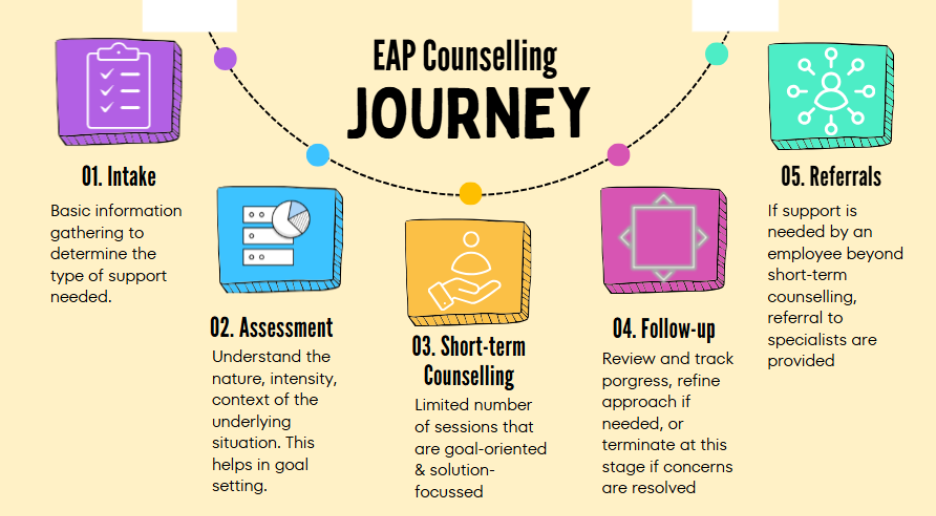
The EAP Counselling Journey
Once an employee accesses an Employee Assistance Programme, they are guided through a structured counselling journey. This process ensures that support is tailored to individual needs while maintaining professional standards.
Step 1: Intake and Initial Contact
The EAP process begins with a structured intake interaction designed to understand the employee’s immediate concern and determine the most appropriate support pathway. During this stage, employees are guided through available options, including preferred mode of counselling (telephonic, video, or in-person), a convenient date and time for sessions, and language preference where applicable. Based on the nature of the employee’s concern and preferences, the case is matched to a counsellor with relevant expertise. Intake conversations focus on listening, reassurance, and clarity rather than detailed assessment.
Step 2: Assessment and Goal Setting
A qualified EAP counsellor conducts an initial assessment to understand the nature, duration, intensity, and context of the issue. The counsellor works collaboratively with the employee to identify key concerns and define short-term goals.
Step 3: Short-Term EAP Counselling
EAP counselling typically involves a limited number of sessions that are solution-focused and goal-oriented. Counsellors help employees explore coping strategies, emotional regulation skills, and practical steps to manage their underlying stress.
Common themes addressed during EAP counselling include stress management, workplace conflict, emotional distress, relationship challenges, and work-life balance issues.
Step 4: Follow-Up and Progress Review
Follow-up sessions allow the counsellor and employee to review and track progress, refine strategies, and ensure that support remains relevant. If concerns are resolved, the counselling relationship may terminate at this stage.
Step 5: Referral to External Support if Required
If the employee needs support beyond the scope of short-term EAP counselling, referrals are provided to appropriate external professionals or services. This ensures continuity of care while respecting the boundaries of the EAP model.
Employee Confidentiality: How It Is 100% Protected
Confidentiality is one of the most frequently searched and discussed aspects of Employee Assistance Programmes. Concerns about privacy are a significant barrier to EAP utilisation, making it essential to clearly explain how confidentiality is protected.
Key principles of EAP confidentiality include:
- No identifying personal information is shared with the employer
- Counselling content is not disclosed to managers or HR
- Participation in EAP services is not linked to performance records
- Aggregate and anonymised data may be shared for reporting purposes
Employers typically receive only high-level utilisation data, such as the number of sessions, service categories accessed, and overall engagement trends. This data is used to evaluate EAP effectiveness, not to monitor individuals.
Exceptions to confidentiality are limited and clearly defined. These usually involve situations where there is a risk of harm to the individual or others, or where disclosure is required by law. Even in such cases, EAP providers follow ethical and legal guidelines to ensure minimal and appropriate disclosure.
Access to confidential mental health counselling is central to EAP effectiveness, as it enables employees to seek support without concerns about workplace disclosure.
How EAPs Support Managers and HR Without Breaching Confidentiality: Managerial consultations as part of EAP focus on general guidance, best practices, and appropriate responses rather than personal disclosures. EAPs are designed to support organisational stakeholders while maintaining strict confidentiality boundaries.
Examples of how EAPs support managers include:
- Guidance on approaching an employee who appears distressed
- Advice on managing performance concerns compassionately
- Support during team crises or critical incidents
- Education on referral pathways to EAP services
This dual-support model allows organisations to strengthen leadership capability while preserving employee trust in the EAP system.
Digital Access and the Evolving EAP Experience: Modern Employee Assistance Programmes increasingly incorporate digital tools to improve accessibility and engagement. Digital EAP platforms may include appointment scheduling, chat-based counselling, self-help resources, and wellbeing content.
Digital access is particularly valuable in large or geographically dispersed organisations, remote work environments, and regions with limited in-person mental health resources. It also supports anonymity and flexibility, which are important for increasing EAP utilisation.
Providers such as 1to1help integrate digital-first access with human support to ensure employees receive timely and culturally relevant care.
- An EAP works through a structured, confidential, and employee-driven process.
- Employees can access EAP services through multiple channels such as helplines, chat, and counselling sessions.
- EAP counselling is short-term, solution-focused, and designed for early intervention.
- Confidentiality is central to EAP effectiveness and is strictly protected.
- Managers and HR receive guidance without access to individual counselling details.
- Digital EAP platforms improve accessibility and utilisation across diverse workforces.
Types of Employee Assistance Programme (EAP) Models
Employee Assistance Programmes can be structured in different ways depending on organisational size, workforce complexity, geographic spread, and maturity of employee wellbeing strategies. Understanding the different EAP models helps organisations select an approach that aligns with their needs, resources, and long-term goals.
In-House EAP
An in-house Employee Assistance Programme is managed and delivered internally by the organisation. Counsellors or wellbeing professionals are employed directly, and services are offered as part of internal HR or occupational health functions.
Key characteristics of an in-house EAP include:
- Internal counselling or wellbeing team
- Direct integration with HR policies and culture
- On-site availability in some organisations

Pros
- Strong familiarity with organizational culture enables easier coordination with internal stakeholders and potentially faster on-site support responses.
.png)
Cons
- Perceived lack of confidentiality among employees, limited scalability across locations, and increased operational and staffing costs.
Greater visibility within the workplace Confidentiality concerns often reduce EAP utilisation in in-house models, particularly in cultures where mental health stigma remains high.
External or Outsourced EAPAn external or outsourced Employee Assistance Programme is delivered by an independent EAP provider. Services are provided by a third-party organisation specialising in workplace mental health and employee wellbeing solutions.
Key features of an outsourced EAP include:
- Independent and confidential service delivery
- Access to a wide network of counsellors
- 24/7 availability across multiple channels
- Standardised service quality and reporting
Pros
- Strong perception of confidentiality, greater scalability & geographical reach, multilingual & cultural support, lower administrative burden for HR teams.
Cons
- Less direct control over service delivery, requires effective communication & integration, dependency on vendor quality & responsiveness.
Most large organisations and multinational companies prefer outsourced EAP models due to their flexibility, neutrality, and ability to support diverse workforces. Providers such as 1to1help operate as external EAP partners, offering structured counselling services, crisis intervention, and managerial consultation at scale.
Hybrid EAP
A hybrid Employee Assistance Programme combines elements of both in-house and outsourced models. This approach allows organisations to retain certain internal wellbeing resources while partnering with an external EAP provider for specialised services
Common hybrid EAP structures include:
- Internal HR or wellbeing teams supported by external counsellors
- On-site support combined with external helpline and virtual counselling
Pros
- Balance between cultural alignment and confidentiality, flexibility in service delivery, and improved crisis response capabilities.
Cons
- Requires clear role definition and coordination; risks confusion if communication is unclear; increases complexity in governance and reporting.
Digital-First EAP
Platforms Digital-first Employee Assistance Programmes represent an evolution in EAP delivery, particularly relevant in remote and hybrid work environments. These models prioritise technology-enabled access while retaining professional human support.
Features of digital-first EAP models include:
- App-based or web-based access to services
- Chat and video counselling options
- Self-help resources and wellbeing tools
- Data-driven insights and dashboards for HR
Pros
- Improved accessibility and convenience, higher EAP utilization rates, support for geographically dispersed teams, and quicker response times.
Cons
- Need for strong data privacy measures, the importance of human-led counselling, and digital literacy of the workforce.
Comparing In-House vs Outsourced EAP Models
When evaluating in-house vs outsourced EAP models, organisations must consider confidentiality, scalability, cost, and workforce needs.
In-house EAPs offer cultural familiarity but may struggle with confidentiality and reach. Outsourced EAPs provide neutrality, expertise, and scale but require strong vendor alignment. Hybrid models attempt to combine the strengths of both approaches.
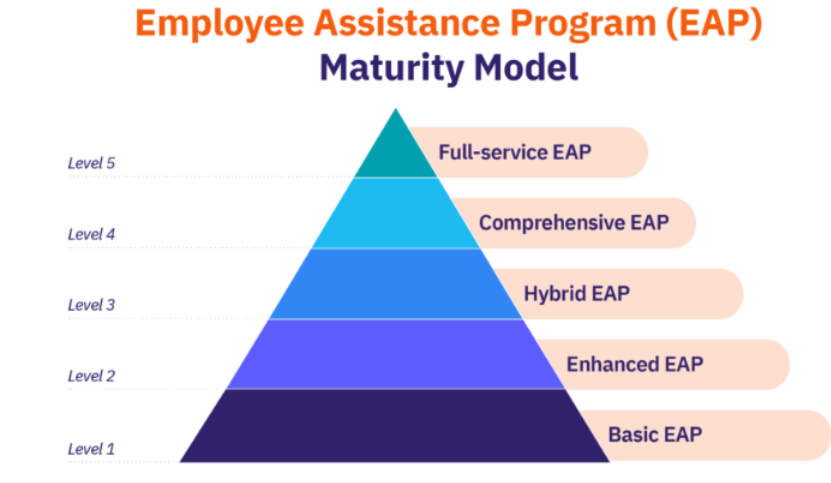
From a maturity model perspective, organisations often progress from informal support systems to outsourced or hybrid EAPs as their employee wellbeing strategies evolve.
Selecting the Right EAP Model
Choosing the appropriate Employee Assistance Programme model depends on several factors:
- Workforce size and geographic distribution
- Organisational culture and stigma levels
- Budget and internal resources
- Desired level of confidentiality
- Long-term wellbeing strategy
A well-selected EAP model supports both employees and organisations by providing timely, confidential, and effective assistance across a wide range of needs.
Benefits of an Employee Assistance Programme (EAP) for Employees
An Employee Assistance Programme is designed to support employees in managing personal and work-related challenges in a confidential and structured manner. By offering timely access to professional support, EAPs help employees cope more effectively with stressors that may otherwise affect wellbeing, performance, and engagement.
The benefits below highlight how EAP services translate into real-world support for employees, illustrated through anonymised workplace scenarios.
Reduced Stress and Anxiety
EAPs help employees manage stress and anxiety before these concerns escalate into burnout or absenteeism. EAP counselling focuses on early intervention, coping strategies, and emotional support.
Case example: An employee experiencing persistent work pressure and sleep difficulties contacted their organisation’s EAP services for stress-related support. Through short-term EAP counselling, the employee learned stress management techniques and practical ways to prioritise tasks, leading to reduced anxiety and improved focus at work.
Better Emotional Regulation
EAP mental health support helps employees recognise their emotional triggers and patterns and respond more effectively to challenging situations. Improved emotional regulation supports healthier workplace interactions and decision-making.
Case example: An employee began experiencing intense emotional reactions during team interactions and noticed increasing strain in workplace relationships. Recognising the impact on both performance and confidence, the employee independently reached out to the EAP helpline for confidential support. Through guided counselling sessions, the employee developed effective strategies for emotional regulation and communication, and their emotional responses improved over time.
Support During Personal Crises
Personal crises can significantly disrupt an employee’s emotional balance and work performance. Employee Assistance Programmes provide confidential crisis intervention and short-term support during such periods.
Case example: An employee dealing with the sudden loss of a family member reached out to the EAP for support. Timely counselling helped the employee process grief, stabilise emotionally, and gradually re-engage with work responsibilities.
Improved Job Satisfaction
When employees feel supported beyond their immediate work output, job satisfaction increases. Access to an Employee Assistance Programme reinforces a sense of care and organisational support.
Case example: An employee facing ongoing legal uncertainty related to housing accessed the EAP legal information service. Receiving timely guidance and referral reduced stress and improved the employee’s sense of support, positively influencing job satisfaction.
Work Life Balance Support
Balancing work responsibilities with personal life demands is a common challenge for employees. EAPs offer support that helps employees manage competing priorities more effectively.
Through EAP services, employees can receive guidance on:
- Managing work-related stress
- Navigating family or caregiving responsibilities
- Creating healthier boundaries between work and personal life
- Learn assertive communication to support mental wellbeing
Case example: An employee juggling caregiving responsibilities and a demanding job role sought help through the EAP. Counselling focused on boundary setting and stress management, helping the employee regain balance and reduce feelings of exhaustion.
A Confidential Space to Talk
A defining benefit of an Employee Assistance Programme is the availability of a confidential, non-judgemental space to talk openly. This confidentiality encourages early help-seeking and honest communication.
Case example: An employee hesitant to raise workplace concerns internally used the EAP helpline for confidential guidance. The anonymity of the service allowed the employee to process their emotions and make informed decisions about their next steps without fear of disclosure.
Benefits of an Employee Assistance Programme (EAP) for Organisations
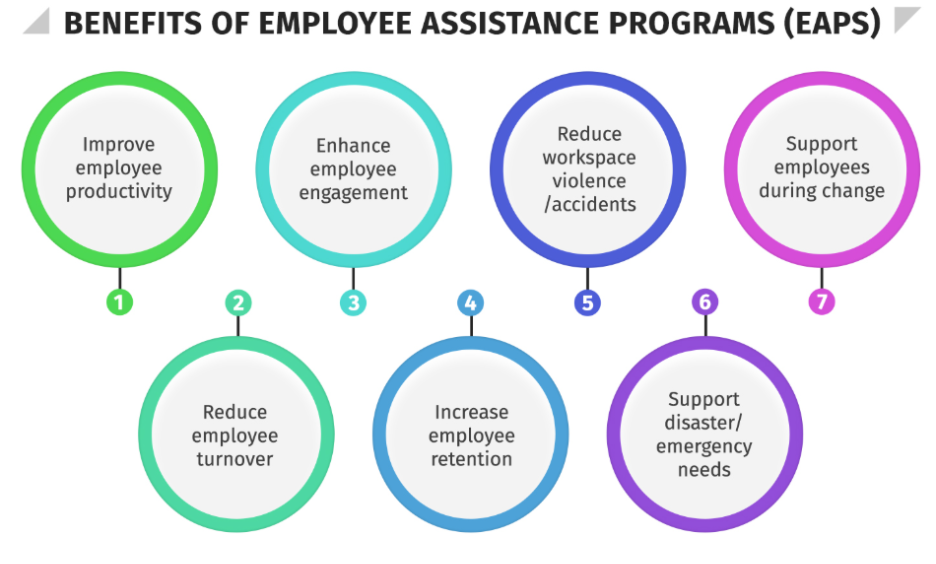
Organisations investing in employee wellness are increasingly recognising that Employee Assistance Programmes deliver measurable returns across multiple dimensions of business performance. The value of an EAP extends well beyond supporting employees in distress. It influences productivity, leadership effectiveness, retention, risk management, and overall organisational resilience. In India, workplace stress and related issues are widespread, making structured support such as EAPs even more critical and beneficial.
Productivity and Performance
Mental health challenges have a direct and measurable impact on how employees function at work. Research shows that 67% of employees want organisational support to help manage stress and anxiety, highlighting the scale of unmet need in the workplace.
Impact on performance includes:
- Reduced absenteeism: Studies show that EAPs can reduce absenteeism by up to 27%, with employees who access EAP services reporting 52% fewer absences compared to non-users.
- Improved presenteeism: Employees who receive timely mental health support are more focused and effective at work rather than operating at reduced capacity.
- More focused workforce: By addressing personal and psychological concerns early, EAPs allow employees to redirect mental energy towards work tasks.
In a large study of more than 13,000 EAP users, absenteeism dropped by 46% following EAP utilisation. Average monthly missed work hours decreased from 12.2 to 6.5, demonstrating the tangible productivity benefits of early intervention.
Better Managerial Outcomes
Managers play a critical role in employee wellbeing, yet many lack the training or confidence to address mental health-related concerns effectively. EAPs support managers through expert guidance and consultation services.
Organisational benefits include:
- Managers supported with expert guidance: EAPs provide confidential consultation that helps managers navigate sensitive conversations, performance feedback, and employee distress appropriately.
- More empathetic leadership: When managers are equipped with the right tools and guidance, leadership responses become more consistent, supportive, and human-centred.
By strengthening managerial capability, EAPs help reduce avoidance behaviours, improve communication, and foster psychologically safer team environments.
Retention and Engagement
Employee retention is strongly influenced by whether employees feel supported during challenging periods. Organisations with structured Employee Assistance Programmes consistently demonstrate higher engagement and stronger retention outcomes.
Evidence shows that:
- Organisations with well-established EAPs report 34% higher retention rates than those without such support.
- Employees who feel supported through confidential wellbeing services are more likely to remain engaged and committed to their organisation.
By normalising help-seeking and providing practical support for mental health, legal, financial, and life challenges, EAPs strengthen trust and loyalty across the workforce.
Risk Reduction and Crisis Readiness
Workplace crises, whether related to trauma, conflict, or psychological distress, pose significant operational and reputational risk when not managed effectively. Employee Assistance Programmes provide structured mechanisms to respond early and appropriately.
Key risk reduction outcomes include:
- Workplaces better prepared for trauma or conflict: EAPs offer crisis intervention services, trauma support, and post incident debriefing that stabilise employees and teams.
- Prevention of escalation: Early psychological support reduces the likelihood of prolonged distress, grievances, safety incidents, or legal disputes.
Research published in the Journal of Occupational and Environmental Medicine found that employees who used EAP services experienced meaningful reductions in workplace accidents and injuries. Some studies indicate that EAPs can reduce work-related accidents by up to 65%, highlighting their role in workplace safety and risk management.
Cost Savings and Return on Investment (ROI)
Employee Assistance Programmes are widely recognised as one of the most cost-effective workplace wellbeing interventions. Their preventive nature reduces multiple indirect costs that organisations often underestimate.
EAP ROI data shows that:
- For every INR 84.38 invested in EAP services, organisations see returns ranging between INR 253.14 and INR 421.90 through reduced absenteeism, lower turnover costs, decreased healthcare expenses, and improved productivity.
- Other studies report returns as high as INR 337.52 for every INR 84.38 invested.
Cost savings are driven by:
- Reduced healthcare claims through early mental health intervention
- Lower recruitment and training costs due to improved retention
- Decreased workers' compensation claims and workplace disputes
- Reduced presenteeism, which is estimated to cost organisations up to three times more than absenteeism
- Improved morale and engagement, leading to more stable teams
By addressing issues before they escalate, EAPs protect both employee wellbeing and organisational resources.
How HR Can Evaluate EAP Effectiveness
An EAP is most effective when organisations actively review how it is being used and what outcomes it supports. Because EAPs operate under strict confidentiality, evaluation focuses on aggregated trends rather than individual data.
HR teams do not need complex analytics. A small set of clear indicators is sufficient to assess whether the EAP is trusted, relevant, and delivering value.
The 7 Key EAP Metrics HR Should Track
1. Utilisation Rates
Shows how many employees are accessing the EAP.
- Indicates awareness and trust
- Healthy utilisation typically falls between 5 % to 10 % annually
- Gradual increase suggests reduced stigma and better communication
2. Repeat Engagement
Tracks whether employees return to use EAP services again.
- Signals perceived usefulness
- Reflects psychological safety
- Indicates early help-seeking rather than crisis-only usage
3. Manager Referrals
Measures leadership involvement with the EAP.
- Number of manager-initiated referrals
- Use of managerial consultation services
- Reflects confidence in handling employee wellbeing concerns
4. Employee Satisfaction
Assesses the quality and relevance of EAP services.
- Anonymous post-session feedback
- Ease of access and responsiveness
- Perceived helpfulness of support received
High satisfaction reinforces trust and continued usage.
5. Crisis Response Time
Evaluates how quickly support is activated during critical incidents.
- Speed of initial response
- Reach of crisis support
- Follow-up engagement
Faster response indicates strong organisational preparedness.
6. Absenteeism Metrics (Pre and Post)
Reviewed alongside EAP uptake trends.
- Changes in repeated short-term absence
- Stress-related leave patterns
- Impact following awareness initiatives
Used for context, not direct attribution.
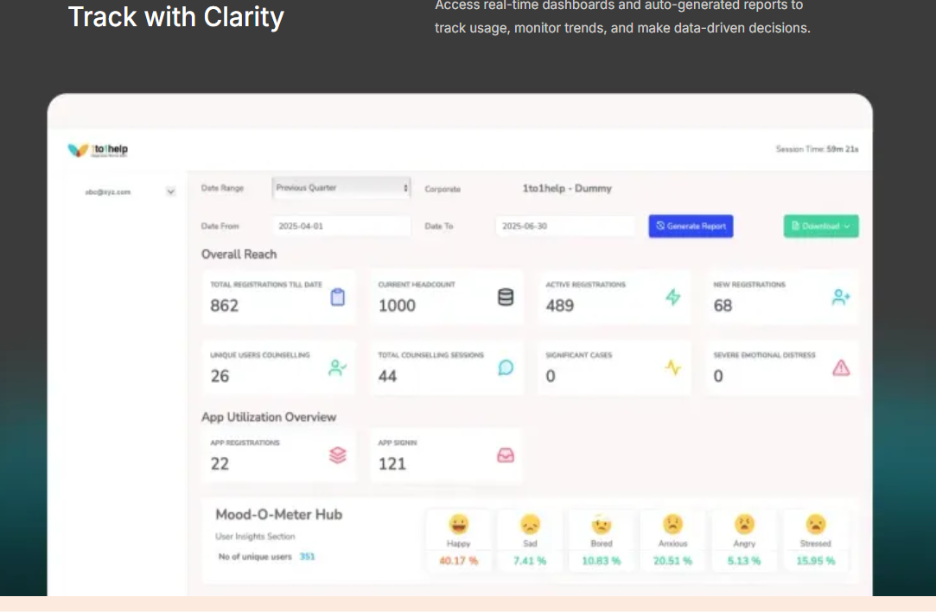
7. Anonymous Reporting Dashboards
Consolidated view for HR and leadership.
- Utilisation trends
- Service category breakdown
- Time-based comparisons
Common Misconceptions About EAP
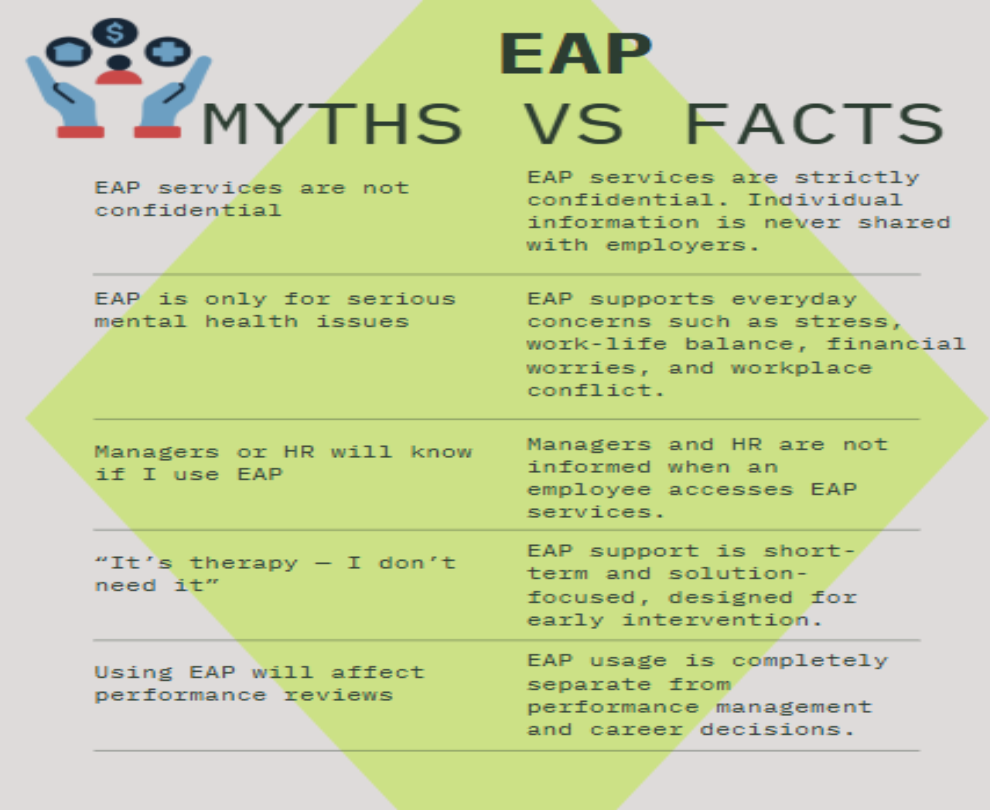
Despite growing awareness, many employees and managers still misunderstand what an Employee Assistance Programme actually offers. These misconceptions often prevent employees from using EAP services early, thereby reducing the programme's overall impact.
Source: Made by 1to1help
How 1to1help Delivers a High-Impact Employee Assistance Programme
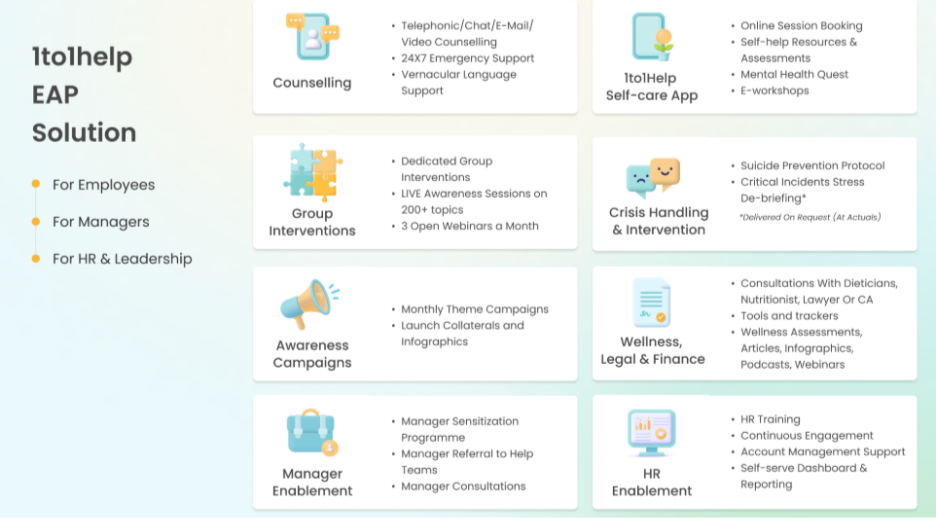
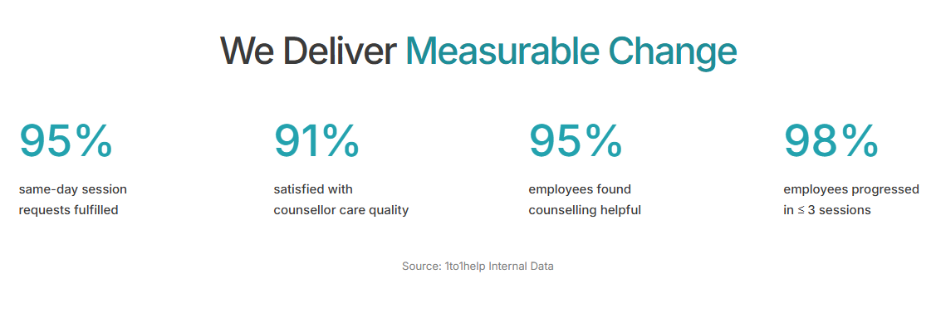
A high-impact Employee Assistance Programme is defined by scale, accessibility, clinical quality, and contextual relevance. 1to1help delivers its EAP through a structured, India-specific model designed to support diverse workforces while maintaining global EAP standards. At the core of its EAP offering, 1to1help believes that real impact begins when mental health becomes part of workplace culture, not an afterthought.
What Distinguishes the 1to1help EAP Model
- India’s largest counselling network
Access to a wide national network of qualified mental health professionals enables consistent service delivery across locations and workforce sizes.
- 24/7 multilingual support
Employees can access EAP services at any time, with support available in multiple Indian languages (13+), including sign language, improving inclusivity and utilisation.
- Psychometric Assessments & Specialised counsellors
Clinically-designed questionnaire that identifies employee mental health needs early and provides actionable insights. Counsellors are trained to address workplace stress, burnout, relationship concerns, crisis situations, and life challenges relevant to working adults.
- Manager coaching framework
Structured managerial consultation supports leaders in handling employee distress, performance concerns, and sensitive conversations without breaching confidentiality.
- Digital-first access through app and chat
Employees can access services via digital platforms, including chat and virtual sessions, improving ease of access for remote and hybrid workforces. The self-care application provides personalised recommendations powered by 20+ years of experience, along with mood tracking and gamified resources.
- Training & Knowledge Transfer
Webinars & group sessions, awareness campaigns on 200+ topics that drive employee awareness. On-demand video courses on POSH training that promote awareness, ensure compliance, and create safer, more inclusive workplaces.
- Access to Specialists & Integrated Add-Ons
Panel of certified dietitians, lawyers, and CAs to address everyday wellness, legal, and financial stressors. Extended care with yoga, tele-health consultations, and preventive lab tests for holistic support.
- Deep expertise in Indian workplace dynamics
Service delivery reflects cultural, social, and organisational realities common in Indian workplaces, supporting relevance and trust.
- Robust analytics dashboard for HR
Anonymised dashboards provide HR teams with utilisation and engagement trends, as well as emerging wellbeing themes. while preserving employee confidentiality.
This integrated approach ensures that the EAP functions as a preventive and responsive wellbeing system rather than a reactive support option.
Case Studies and Real-Life Scenarios
(Anonymised examples illustrating EAP use in practice)
Employee Assistance Programmes deliver value when they support both organisational wellbeing goals and individual employee experiences.
Case 1: Employee Dealing With Burnout
Context: An employee in a fast-paced corporate role began experiencing chronic fatigue, emotional exhaustion, decreasing motivation, and reduced concentration. Work performance remained outwardly stable, but internal stress was escalating.
EAP Support Provided: The employee accessed confidential EAP counselling focused on stress regulation, boundary setting, and recovery strategies. Digital self-care tools were also used to manage daily stress.
Outcome: The employee reported improved emotional regulation, better sleep patterns, and renewed focus at work. Early intervention helped prevent extended absence and long-term disengagement.
Case 2: Team Conflict Resolved
Context: A cross-functional team experienced persistent interpersonal conflict, leading to communication breakdowns and reduced collaboration. Productivity and morale were beginning to suffer.
EAP Support Provided: The manager accessed EAP managerial consultation to understand how to address the conflict constructively. Individual EAP support was offered to team members to manage emotional triggers and communication challenges.
Outcome: Tensions reduced over time, team interactions improved, and collaboration stabilised. The situation was resolved without escalation into formal grievance processes.
Case 3: Crisis Intervention Example
Context: Following an unexpected and distressing workplace incident, employees reported heightened anxiety, emotional distress, and difficulty concentrating.
EAP Support Provided: The EAP activated immediate crisis intervention support, including psychological stabilisation and follow-up sessions for affected employees. Managers were guided on how to support teams during recovery.
Outcome: Employees reported feeling supported during a critical period, and teams were able to resume work with reduced emotional disruption. The organisation demonstrated readiness and responsibility in crisis response.
Case 4: Manager-Support Case
Context: A manager noticed a team member’s performance decline and behavioural changes, but felt unsure about how to address the situation appropriately.
EAP Support Provided: Through EAP managerial consultation, the manager received guidance on approaching the conversation sensitively and referring the employee to confidential EAP services.
Outcome: The employee accessed support early, preventing further decline in performance. The manager reported greater confidence in handling similar situations in the future.
These examples show how an EAP supports individuals, teams, and managers across different situations. By combining counselling, consultation, and crisis response, EAPs help organisations address challenges early and effectively.
Conclusion: Building Healthier Workplaces With the Right EAP Partner
Employee Assistance Programmes are no longer a nice-to-have. They are a critical foundation for organisations that want to support employee wellbeing, strengthen leadership capability, and proactively manage workplace risk.
For organisations looking to implement a structured, culturally relevant, and scalable Employee Assistance Programme in India, 1to1help offers a proven approach grounded in deep workplace expertise, a nationwide counselling network, and data-driven insights for HR and leadership teams.
To build a confidential, high-impact EAP that truly supports your workforce, connect with 1to1help and take the next step towards a healthier, more resilient organisation.
.svg)


.svg)
.svg)
.svg)
.svg)